
Last updated November 16, 2026
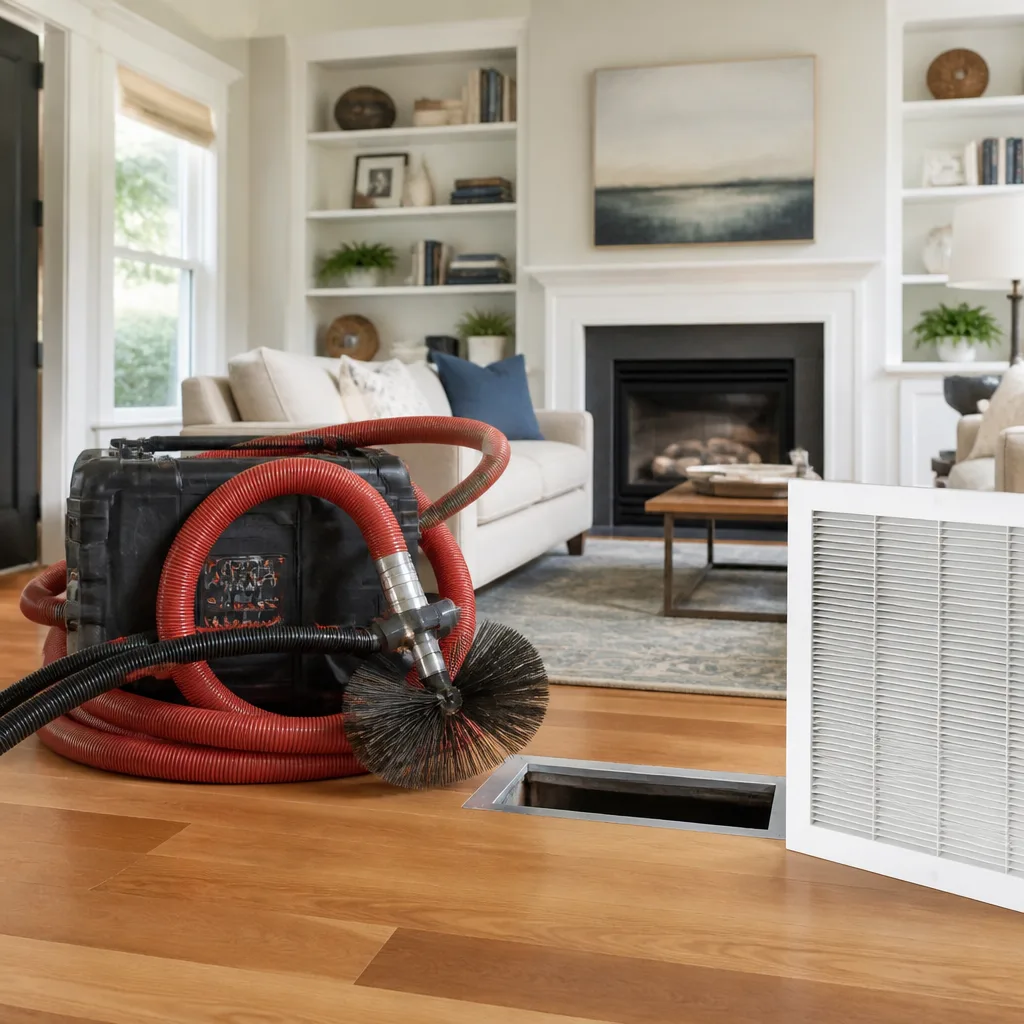 Whole-home duct cleaning
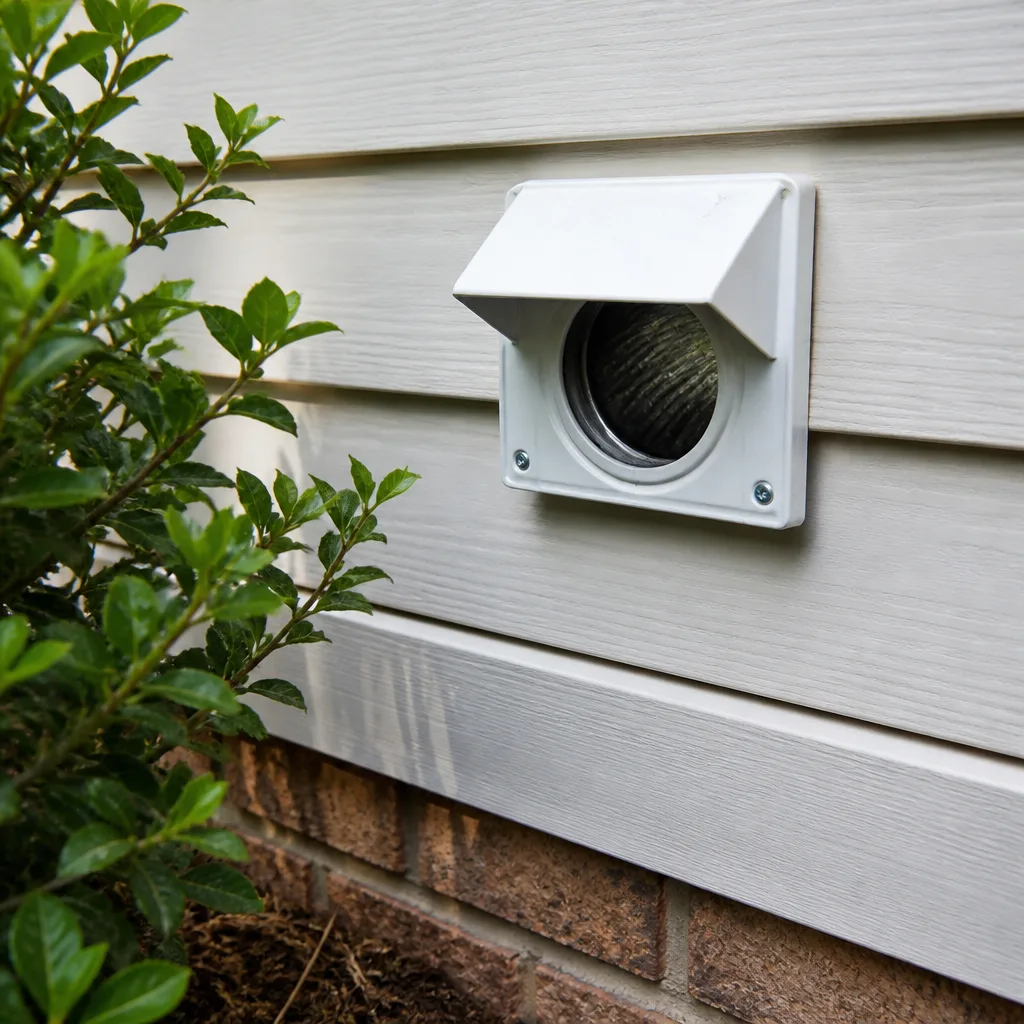 Dryer vent cleaning
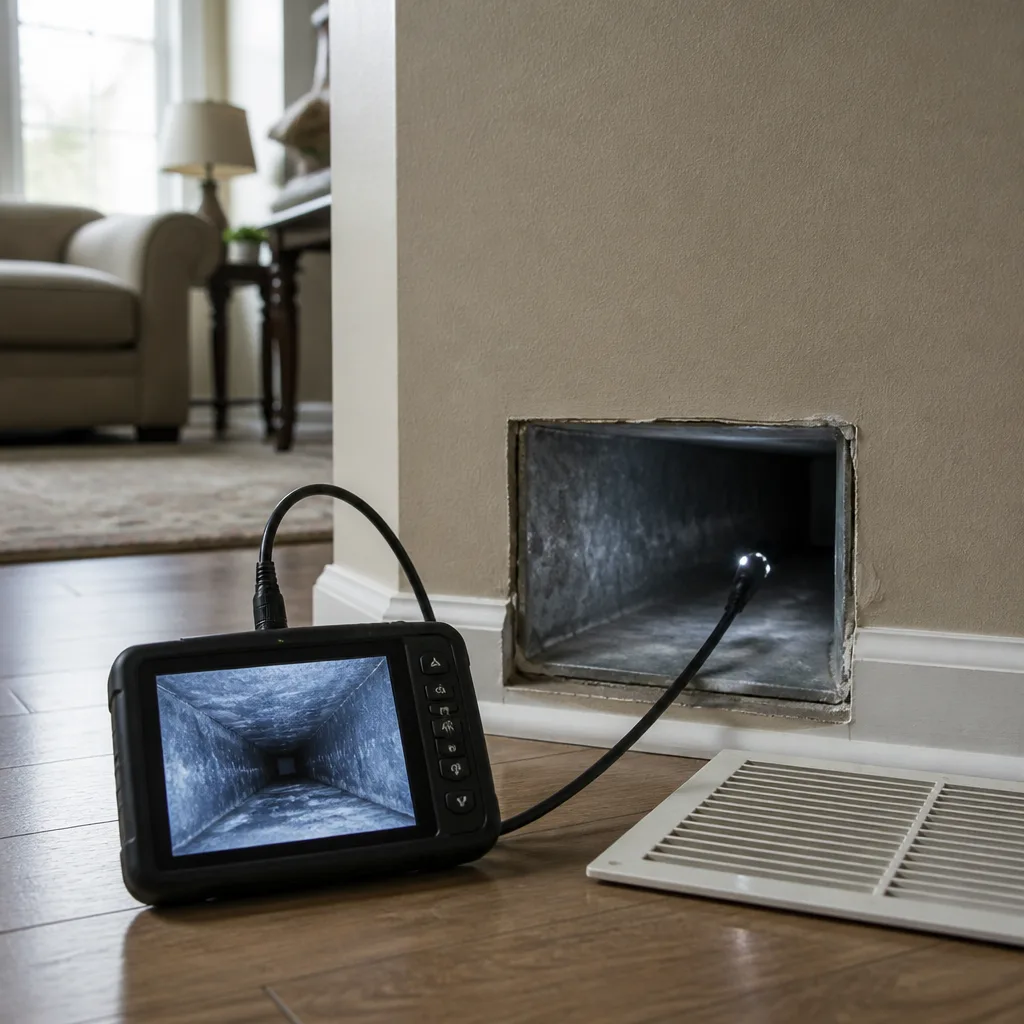 Camera inspection
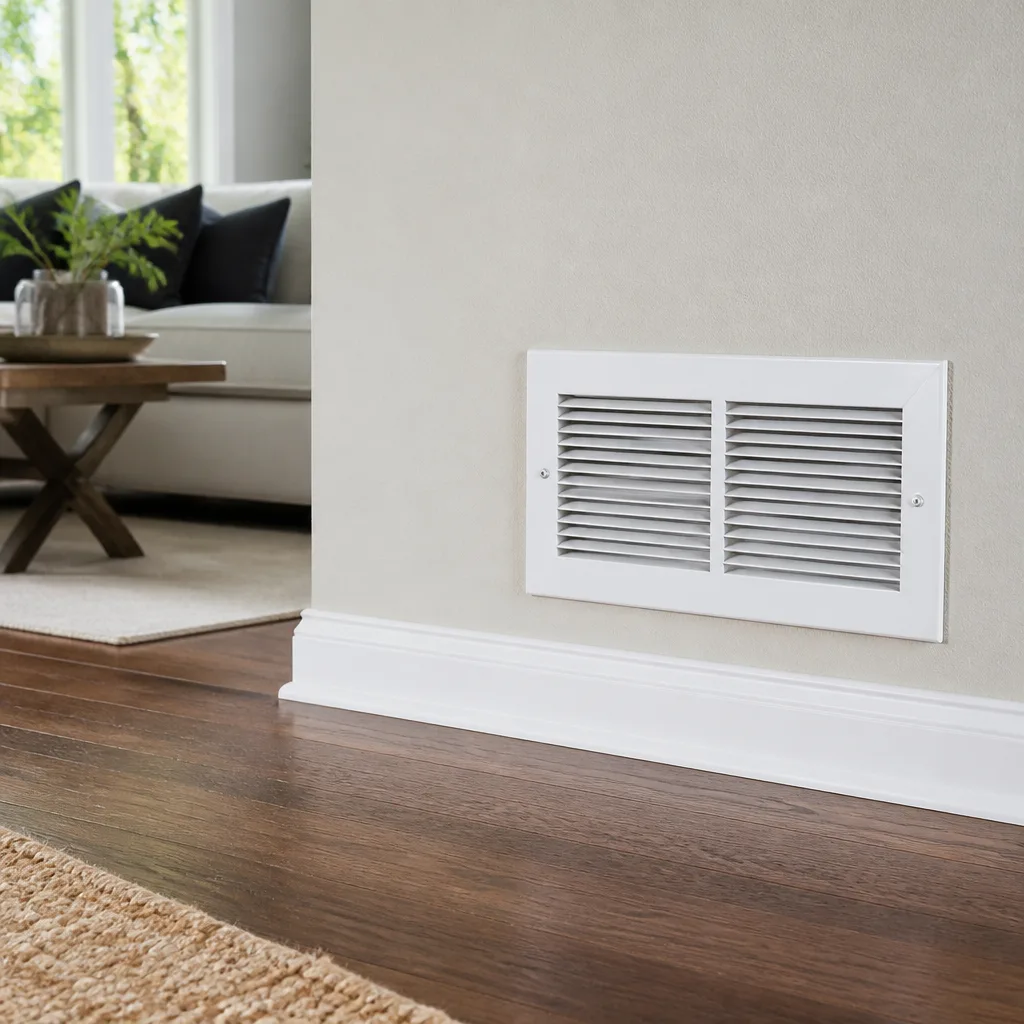 Sanitizing & deodorizing
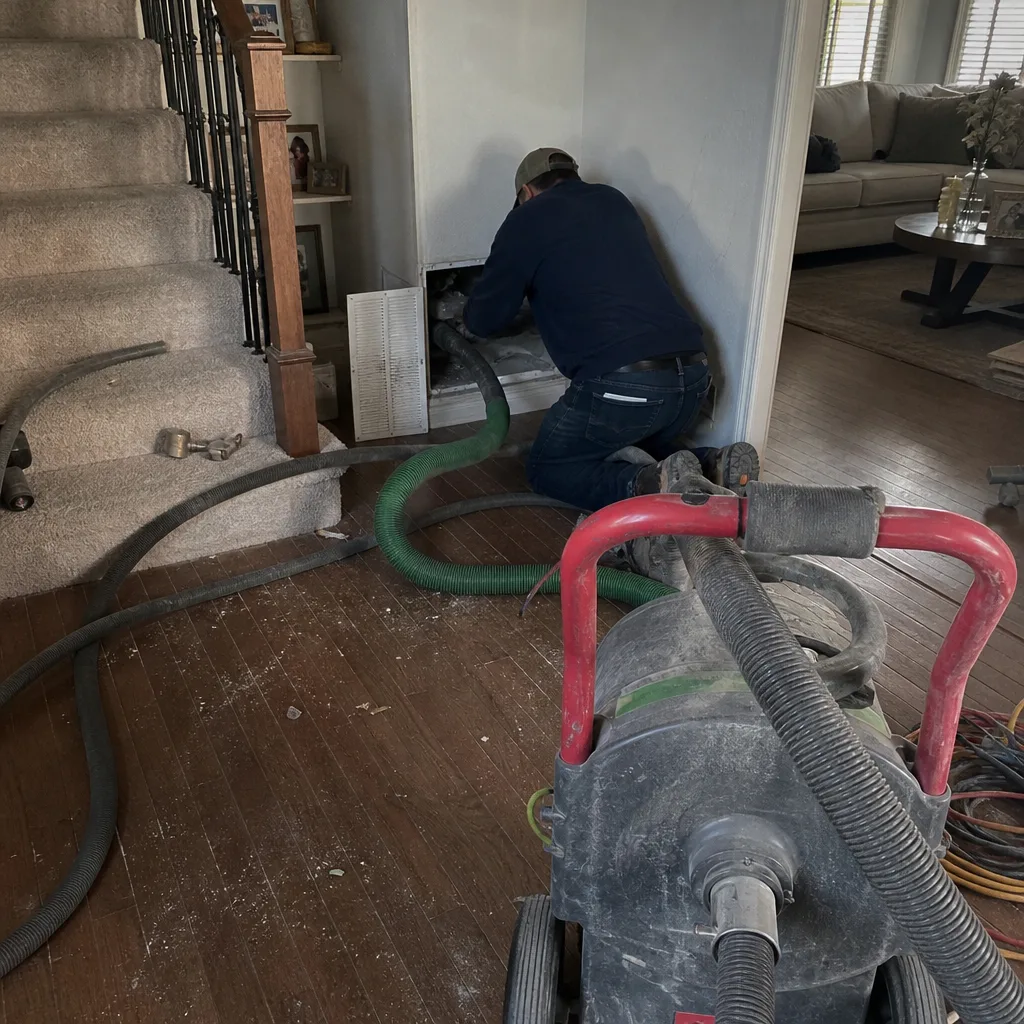
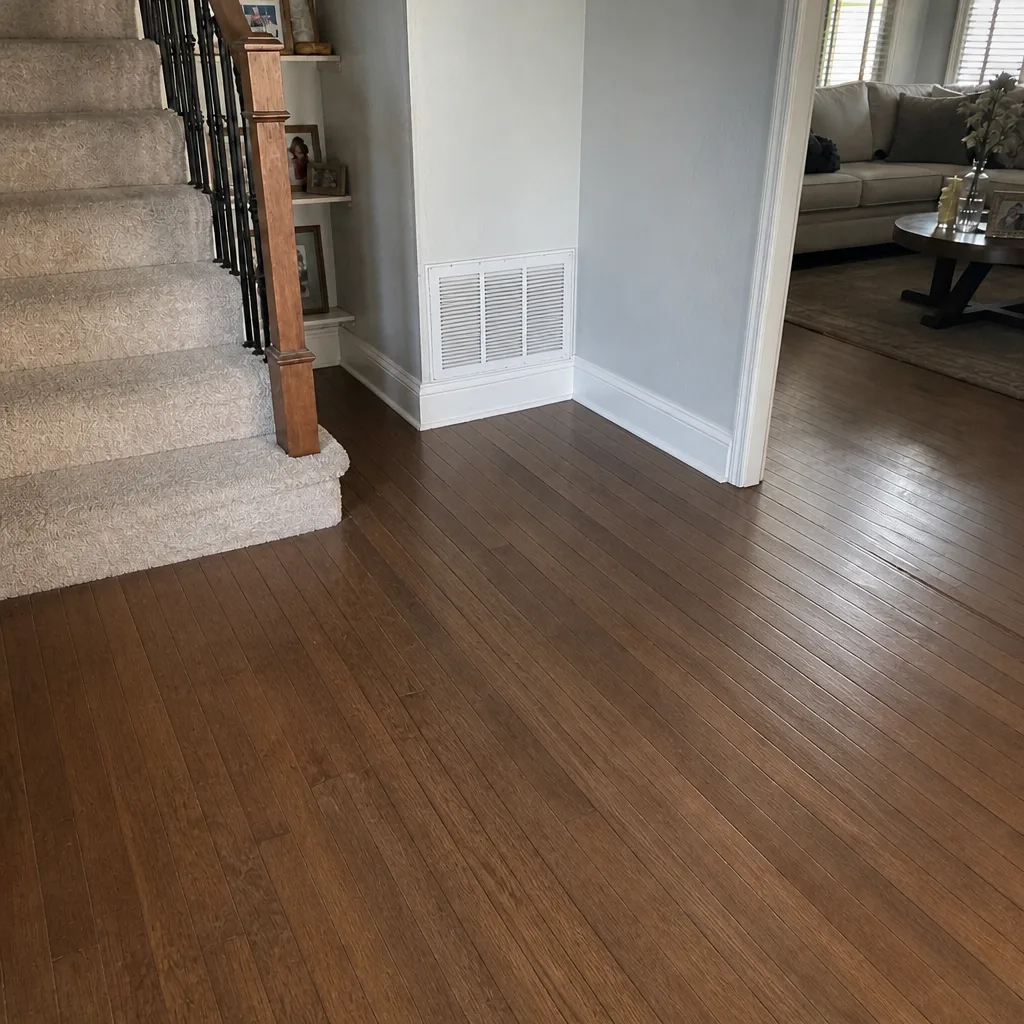
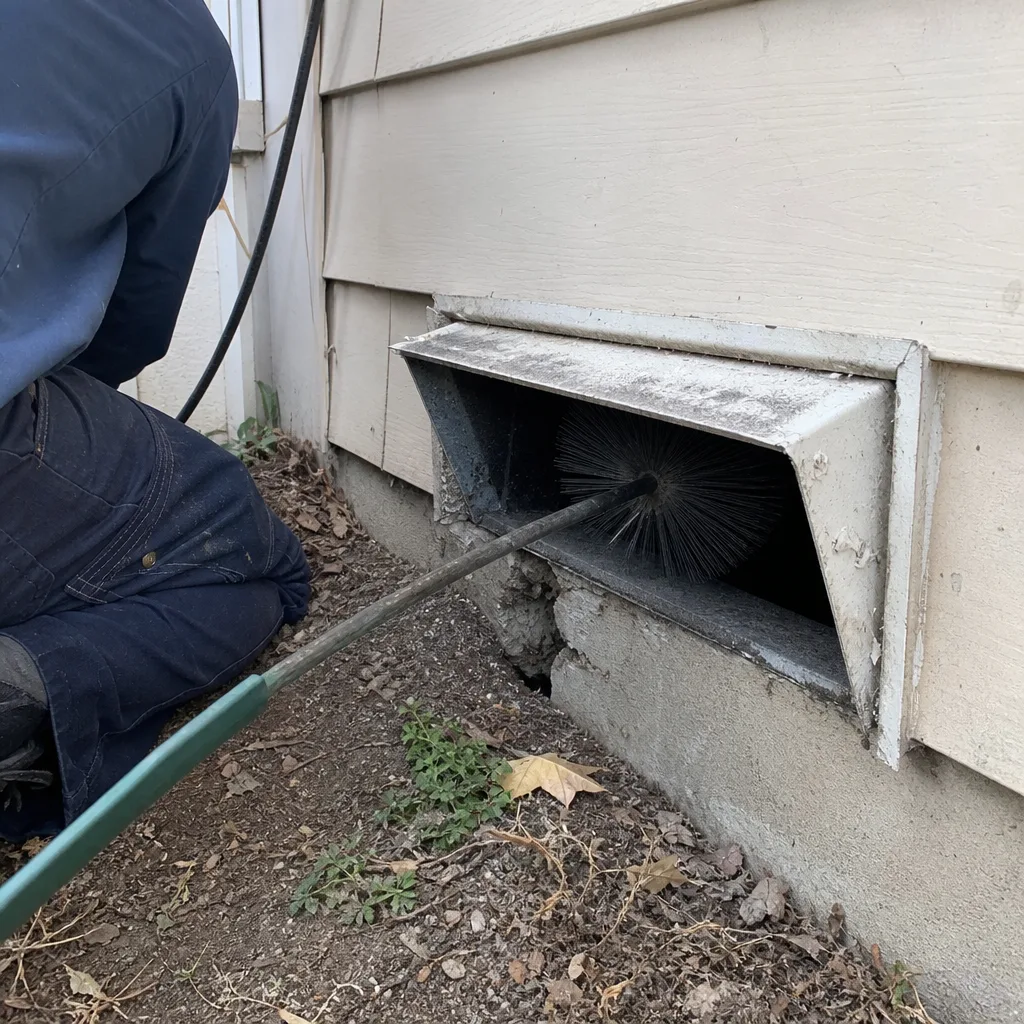
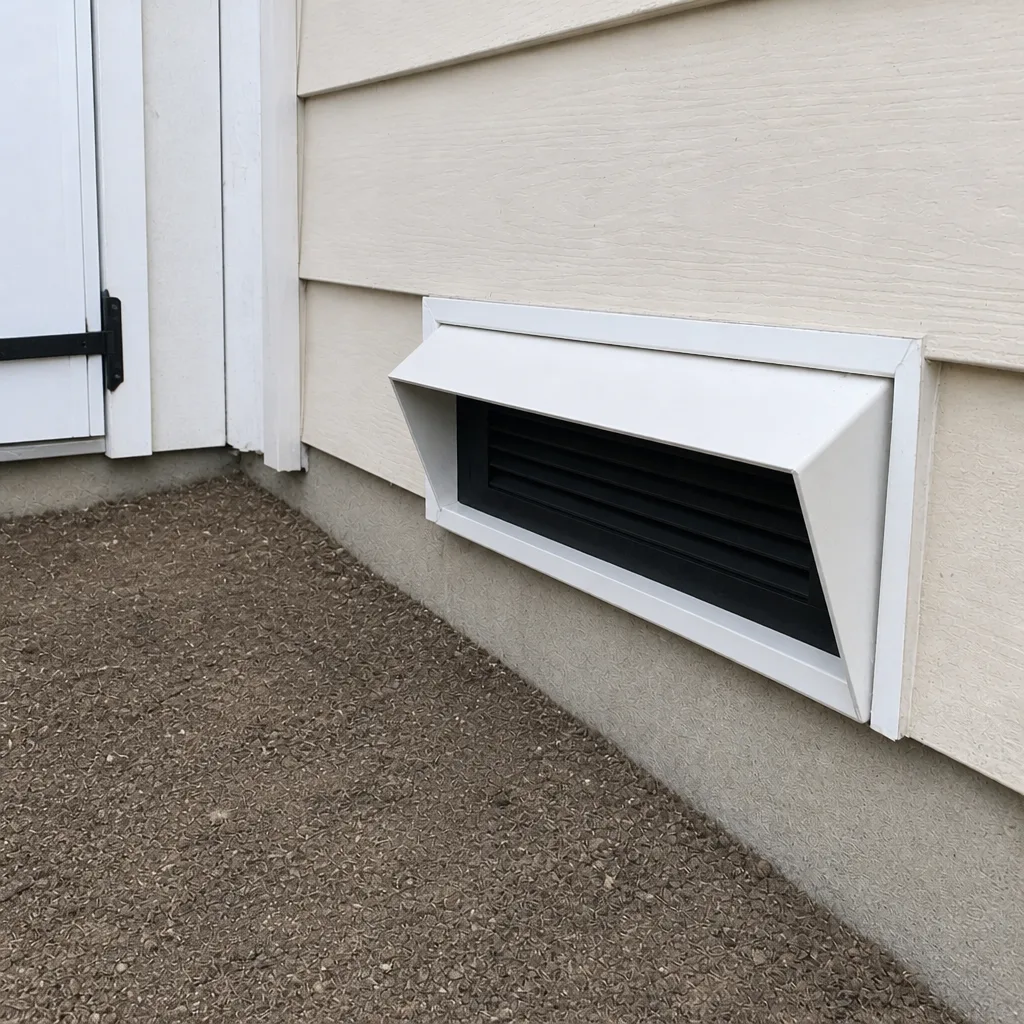
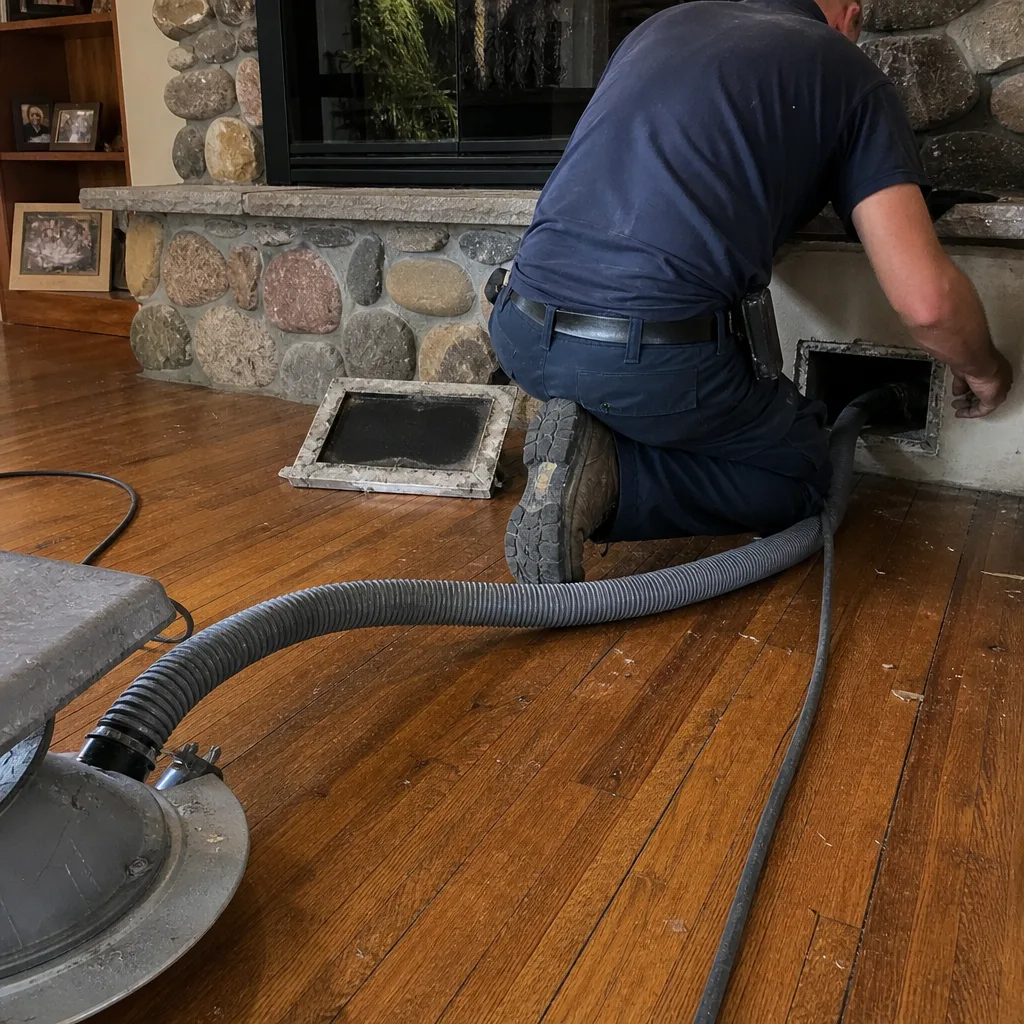
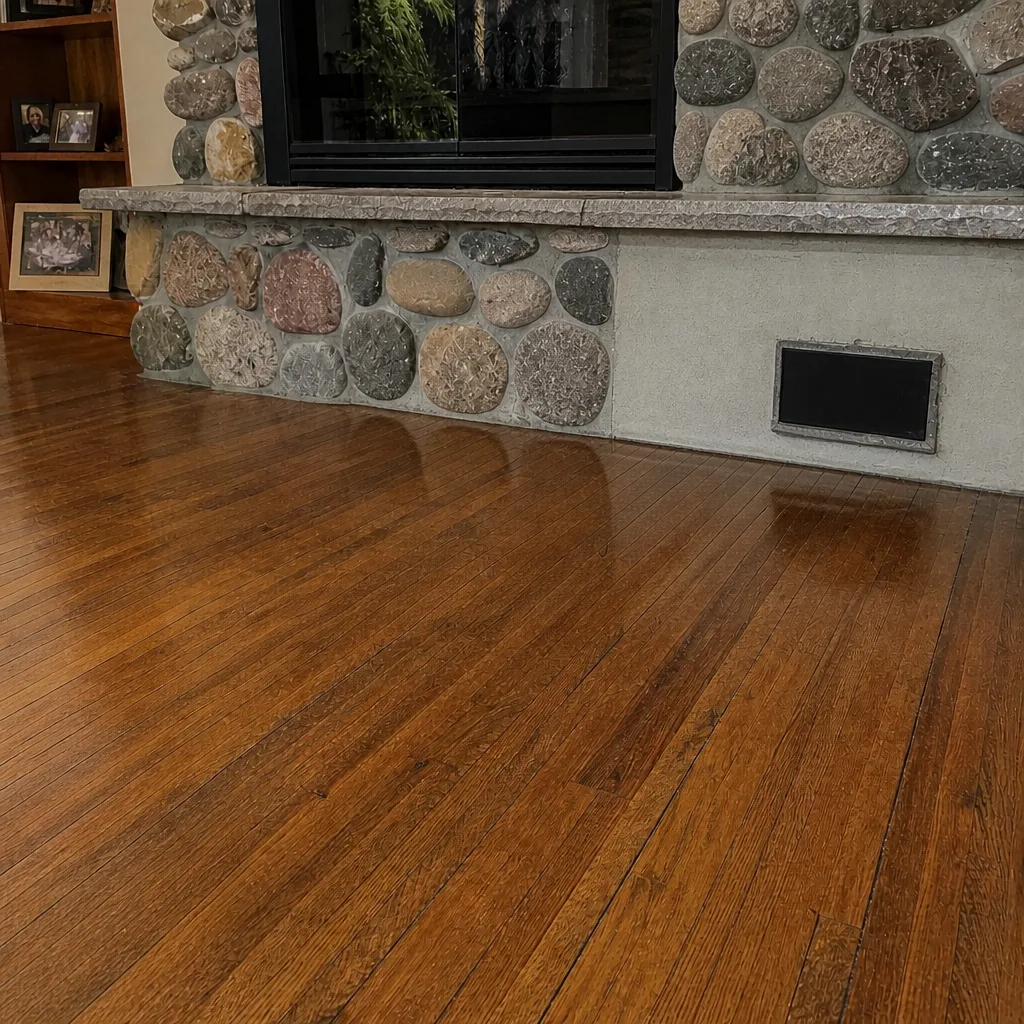
Whole-system duct and dryer vent check with before-and-after photos - you see exactly what came out of your vents
That "$99 whole-house special" is a bait ad - the real number appears once they are in your hallway, or the "clean" is a shop-vac at the register. We photograph the inside of your ducts before and after instead.
Air Duct Cleaning Emergency Preparedness Guide for Boise City Homes
Most homeowners treat duct cleaning as a cosmetic upgrade, something to get around to once the vents look dusty. That gets the priority backwards. Your duct system is the one part of the house that touches every room at once, and when smoke, water, or renovation dust gets into it, the whole interior air quality changes within hours. Worse, the aftermath of a house fire often gets a full restoration scope that skips the ducts entirely, which is exactly how a cleaned home ends up smelling like smoke again weeks later. This guide walks through the real emergencies Boise City homes face, the response protocol for each, and what to have ready before the event arrives.
Styles & brands we work with
- Whole-home duct cleaning
- Dryer vent cleaning
- Camera inspection
- Sanitizing & deodorizing
Quick Answer
A duct emergency plan boils down to three things: know what contamination source you’re dealing with (smoke, water, or construction dust), act within the first 48 to 72 hours before mold or odor can set in, and have professional HEPA-grade extraction lined up before you need it. For Boise City homes, that means a stocked filter bin, a documented duct layout, and a call list that includes a duct specialist using equipment like Rotobrush and Nikro rather than a generalist subcontractor.
Table of Contents
- Wildfire Smoke Events: The Immediate Protocol
- Water Intrusion and the 48-72 Hour Mold Window
- Renovation Dust Entering an Active Duct System
- Post-Fire Duct Contamination and Restoration Sequencing
- Your Preparedness Inventory
- Coordinating Duct Cleaning With Other Trades
- What a Post-Event Duct Assessment Covers
- Common Mistakes to Avoid
- When to Call a Professional
- Frequently Asked Questions
- The Bottom Line
Wildfire Smoke Events: The Immediate Protocol
Wildfire smoke doesn’t just drift through Boise City. It gets pulled into every return grille in the house, coating the inside of your ductwork with the same fine particulate that’s irritating your lungs outside. The goal during a smoke event is to reduce how much of it your system draws in, then assess the interior damage once the air clears. Here’s the sequence.
During the event:
- Set your system to recirculate and close the fresh-air intake, if your HVAC has one, so you’re not actively pulling smoke into the return.
- Run a higher-MERV filter if your system can handle the static pressure; a standard fiberglass filter passes right through smoke particulate.
- Keep windows and doors closed and reduce any activity that stirs settled dust.
- Seal off unused fireplaces and any other direct pathways to outside air.
After the event:
- Inspect the filter first; if it’s loaded, replace it before running the system again.
- Look inside a few supply registers with a flashlight for visible soot or ash residue.
- Smell the return air. A persistent smoky odor long after the air clears usually means particulate has settled inside the ductwork.
- Book an assessment before the system runs a full season on contaminated ducts.
Boise City sits in a valley where smoke can linger for days after the initial event, so the “wait and see” approach to duct contamination doesn’t work here. If the odor returns when the heat or air kicks on, the ducts are holding it. Professional extraction with a HEPA-rated system is the answer, not a stronger filter alone.
Water Intrusion and the 48-72 Hour Mold Window
Water that reaches ductwork is an urgent problem because mold colonization can begin within 48 to 72 hours in the right conditions, and a closed duct serves as a warm, dark, humid incubator. Boise City’s flash flooding in Foothills homes and roof leaks after heavy storms both create this scenario. The window for intervention is real, not a sales tactic.
What actually happens after water contact:
- Insulated flex duct is the most vulnerable. The inner liner traps moisture against the foil jacket, and mold spawns inside the insulation where you can’t see it.
- Sheet metal duct holds up better, but pooled water in low runs and wet seams turn into active growth areas.
- Any duct that’s been submerged or heavily saturated for more than a couple of days should be inspected carefully. Some of it can be cleaned, and some of it needs to be replaced; that’s a duct assessment issue, not a cleaning issue alone.
If a flood or roof leak has reached your ducts, don’t just run the fan to dry things out. That circulates spores through the whole house. Turn the system off, get the water source stopped, and call for an assessment. A trained technician can tell the difference between a duct run that can be cleaned and dried and one that’s too compromised to keep.
Renovation Dust Entering an Active Duct System
Drywall dust is the most underestimated duct contaminant there is. It’s fine, alkaline, and it settles into every horizontal run. Concrete dust and insulation fibers behave similarly. The problem starts the moment someone cuts drywall or runs a saw without sealing the return grilles in the work zone, and it spreads through the entire system within hours of the next fan cycle.
How to protect an active system during a remodel:
- Before demo or cutting begins, seal all supply and return grilles in the work area with plastic sheeting and tape.
- Turn the HVAC system off during heavy cutting or sanding, and keep it off until the dust has settled.
- Set up negative air pressure in the work zone if the job is substantial; Abatement Technologies equipment is designed for exactly this, and it’s the standard for keeping particulates contained.
- After the remodel, do not treat a quick filter change as adequate. Dust that reached the ducts remains in the ducts.
When renovation dust does get into a Boise City system, the right response is a full duct cleaning with agitation and HEPA extraction, not a filter upgrade. The dust has to come out, not just get scrubbed by airflow. If the remodel exposed any damaged or disconnected ductwork, that’s where our repair capability matters: we can fix what the cleaning uncovers without a second contractor.
For the general cleaning process itself, our air duct cleaning page walks through what a job actually involves end to end.
Post-Fire Duct Contamination and Restoration Sequencing
After a structure fire, the duct system is the single largest vector for smoke odor recontamination. Smoke travels through the system during the fire and settles into the interior surfaces of every duct run. A restoration crew can clean the walls and replace the drywall and still leave the ducts holding weeks of embedded smoke residue. If the ducts aren’t addressed, the smell returns as soon as the HVAC runs.
The common failure here is that a fire restoration scope skips the duct cleaning, or subs it to a generalist who doesn’t have containment-grade HEPA equipment. Standard shop vacuums and consumer-grade vacuums can’t handle the load and can actually make things worse by stirring settled soot back into the air.
Proper sequencing for fire restoration:
- Containment is established before any cleaning begins. Negative air pressure keeps soot and contaminants from migrating into clean zones.
- The exterior of the system and the register faces are cleaned first so you’re not pulling soot deeper inside.
- The interior of the ducts is cleaned with agitation plus HEPA extraction, using professional equipment like Nikro extraction units, so the captured material stays contained.
- Damaged or disconnected duct runs are identified and repaired in the same scope, which is why air duct repair belongs in the plan.
- Final air quality check and filter replacement before the system is returned to normal operation.
If your fire restoration contractor is handing duct cleaning off to someone without Abatement Technologies or equivalent containment gear, the job is not going to hold. Ask what equipment they’re using, and if the answer is “shop vac,” get a second opinion.
Your Preparedness Inventory
The households that come through a smoke event or a water intrusion best are the ones who had a small plan in place before it happened. Here’s what a Boise City homeowner should actually keep on hand.
Filter stock:
- Two or three spare filters in the correct size for your system. Write the size on a piece of tape stuck to the air handler so you don’t have to hunt for it.
- A note about what MERV rating your system is rated for. Most residential systems tolerate a MERV 8 to MERV 11 range safely; pushing to a higher MERV without knowing the static pressure tolerance can strain the blower.
Equipment contacts:
- Your duct cleaning company’s number, on hand before you need it. Call Duct Cleaning Boise City and we answer 24/7.
- A fire restoration contractor and a water mitigation contractor. These two trades almost always come as a pair after a significant event.
Documentation:
- Duct layout diagrams if you have them; a simple sketch of the supply and return runs is enough if you don’t.
- Previous cleaning records, including dates and what was done.
- Photos of the ductwork as it exists now, so future assessments have a baseline.
We recommend Honeywell and Aprilaire filtration products in the preparedness conversation because they’re the brands HVAC engineers and allergists tend to recommend, and having a known filter ecosystem in place makes the response faster when something goes wrong.
Coordinating Duct Cleaning With Other Trades
Duct cleaning is almost never an isolated job after a major event. It sits inside a scope that includes water mitigation, mold remediation support, or fire restoration, and the sequencing between them matters more than most homeowners realize. Get it out of order and you can reintroduce contamination to rooms that were just cleaned.
The general rule is: containment first, ducts cleaned inside containment, other trades last inside the contaminated zone. Here’s how that plays out across the trades.
- Fire restoration: Duct cleaning happens after soot has been removed from surfaces but before the final cleaning pass and air scrubber shutoff. Restoring walls and floors before the ducts are cleaned guarantees recontamination.
- Mold remediation: If a remediation contractor is handling active mold growth, duct cleaning that supports that scope needs containment in place and HEPA extraction. We work alongside remediation contractors to keep cross-contamination from spreading between zones.
- Water mitigation: Drying out the structure comes first. Duct cleaning happens after the water source is stopped and the structure has stabilized, so you’re not cleaning ducts that will just get wet again when the mitigation team continues their work.
Keep one person coordinating across trades. In most Boise City projects, that’s the restoration contractor, since they own the scope. Whoever it is, they need to know when the ducts are being cleaned so the rest of the work sequences around it. If you’re the homeowner and you’re coordinating, ask each contractor to confirm their start and finish times, and stick to the order above.
If the ducts are the first thing being addressed, that’s a Boise City air quality issue, not a restoration sequencing problem, and it can be handled independent of the rest of the trades.
What a Post-Event Duct Assessment Covers
An assessment is not the same as a cleaning. It’s the step that tells you what you’re dealing with before any work starts, and it should cover the following.
- Visual inspection of a representative sample of supply and return runs, including the air handler plenum and any accessible flexible duct.
- Contamination identification: smoke residue, water staining and visible growth, drywall or construction dust, or a mix of all three.
- Structural check for disconnected joints, crushed flex duct, or rusted sheet metal that’s come apart at the seams. Those fall under air duct repair.
- Written scope that says what’s being cleaned, what’s being repaired, and what the final price will be before any work begins.
- Before-and-after photo documentation so you can verify that the work you paid for was actually done.
We use Rotobrush and Nikro equipment on every job because the right tools are what make a real clean possible. A single-pass vacuum on a system that hasn’t been touched in years misses most of what’s settled on the duct walls. Agitation plus HEPA-rated extraction is the standard, and it’s what the assessment is going to be priced against. Estimates are free, so there’s no reason to skip the assessment step and hope for the best.
The same standard applies to dryer vent cleaning, which is a separate contamination issue with its own risk profile and its own assessment standard.
Common Mistakes to Avoid
- Running the system during or right after a smoke event. Every fan cycle pulls more particulate into the return and pushes it deeper into the duct runs. Turn the system off until the filter has been checked and replaced.
- Trusting a shop vac and a promise. Consumer-grade vacuums don’t have the filtration or airflow to handle a contaminated duct system. Ask what equipment is being used, and specifically whether it’s a Rotobrush or Nikro system or something from a hardware store.
- Cleaning ducts before the water is fully stopped. A Boise City homeowner who cleans ducts during an active roof leak or ongoing flood exposure is paying twice. Stop the water, stabilize the structure, then clean.
- Skipping duct cleaning in a fire restoration scope. This is the single most common cause of post-restoration smoke odor. Insist that the ducts are in the written scope.
- Assuming a filter upgrade is a duct solution. A better filter catches what passes through it; it doesn’t remove what’s already settled on the duct walls. These are two different problems.
- Forgetting the dryer vent. A clogged dryer vent is a leading cause of residential house fires according to the U.S. Fire Administration. It’s not a ductwork scene, but it belongs in the same preparedness plan and the same annual check.
- No documentation. If you can’t tell the next inspector or restoration contractor what was done and when, you start from zero every time. Keep records.
When to Call a Professional
Call a duct professional if any of these are true: your home has been through a fire or significant smoke exposure, water has reached the ductwork and it’s been more than 24 hours, a remodel has introduced drywall or concrete dust into an active system, you’re seeing visible growth or persistent musty odor from supply registers, or the system has never been assessed in a home you just bought. In Boise City, wildfire smoke exposure alone is enough of a trigger; you don’t need a fire on the property for the ducts to hold a season’s worth of particulate. Duct Cleaning Boise City offers free estimates in Boise City, so the assessment step costs you nothing but a call. Reach us at (866) 552-6419. We answer 24/7. Fast dispatch from 7am to 7pm, Sunday through Friday.
Frequently Asked Questions
Within two to four weeks of the event ending, once the outdoor air quality has returned to normal. Run the system briefly, check the filter, then book an assessment. If the ducts are visibly contaminated or the smoky odor comes back when the heat or air runs, don’t wait. Call (866) 552-6419 for an exact quote; estimates are free.
No, and that’s the most common gap in post-fire work. Duct cleaning should be written into the restoration scope as its own line item, with containment and HEPA extraction built in. If your restoration contractor is subcontracting it out, ask what equipment the subcontractor uses. Call (866) 552-6419 for an exact quote; estimates are free.
Colonization can begin within 48 to 72 hours of significant moisture contact in the right conditions, and insulated flex duct is the highest-risk type. If water reaches your ducts, turn the system off, stop the water, and get an assessment before the window closes. Call (866) 552-6419 for an exact quote; estimates are free.
No. Running the system on wet ducts circulates spores through the whole house and pushes moisture deeper into the flex liner. Turn the system off, get the water stopped, and call for an assessment. Call (866) 552-6419 for an exact quote; estimates are free.
Two or three spare filters in the correct size, a note about your system’s MERV tolerance, a duct layout sketch or diagram, previous cleaning records, and the phone number of a duct specialist. That’s the whole list. Most of it takes less than an hour to put together. Call (866) 552-6419 for an exact quote; estimates are free.
Usually because they’re quoting a different job: a surface pass with a shop vac, or a per-vent price that gets expanded on-site. A real clean means agitation plus HEPA extraction across the full system, and the price should be one flat rate per system, agreed in writing before work starts. We provide before-and-after photos so you can see what was actually removed. Call (866) 552-6419 for an exact quote; estimates are free.
The Bottom Line
Boise City homes face three distinct duct emergencies, and each has its own response window. Wildfire smoke needs the system off, the filter changed, and an assessment before odor reembeds in the duct walls. Water intrusion is the tightest: 48 to 72 hours before colonization becomes a repair problem. Renovation dust needs grilles sealed before the cutting starts, not after. Fire restoration is where the biggest gap sits, because ducts get skipped or handed to generalists without containment equipment. Have a filter stock, a layout sketch, records, and a specialist’s number ready. The rest is calling at the right moment with the right equipment lined up.
If a duct issue is already in progress in your home, call Duct Cleaning Boise City at (866) 552-6419 for a free estimate. We answer 24/7. Fast dispatch from 7am to 7pm, Sunday through Friday. Our technicians have up to 8 years of experience, and we bring professional-grade Rotobrush and Nikro equipment to every assessment.
Written by the team at Duct Cleaning Boise City.
See the difference
 Before
 After
 Before
 After
 Before
 After