
Last updated November 16, 2026
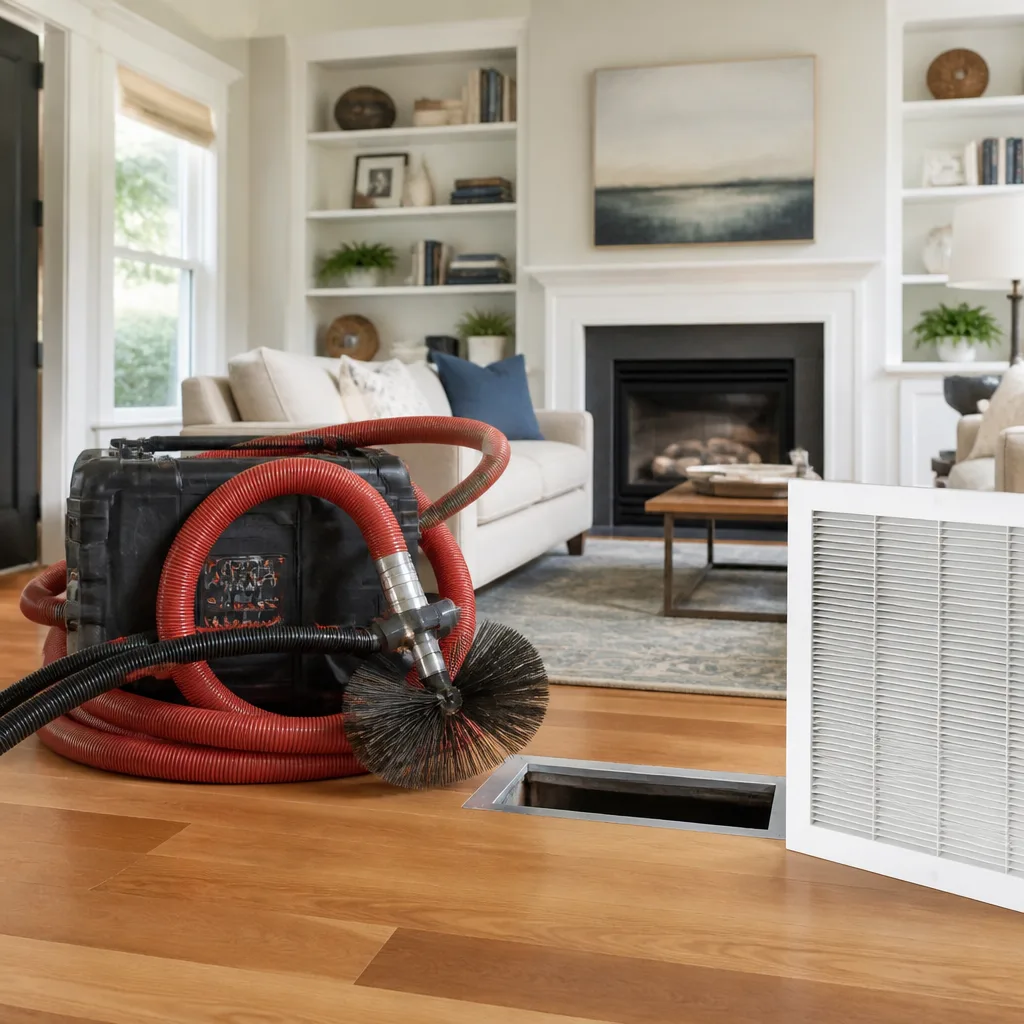 Whole-home duct cleaning
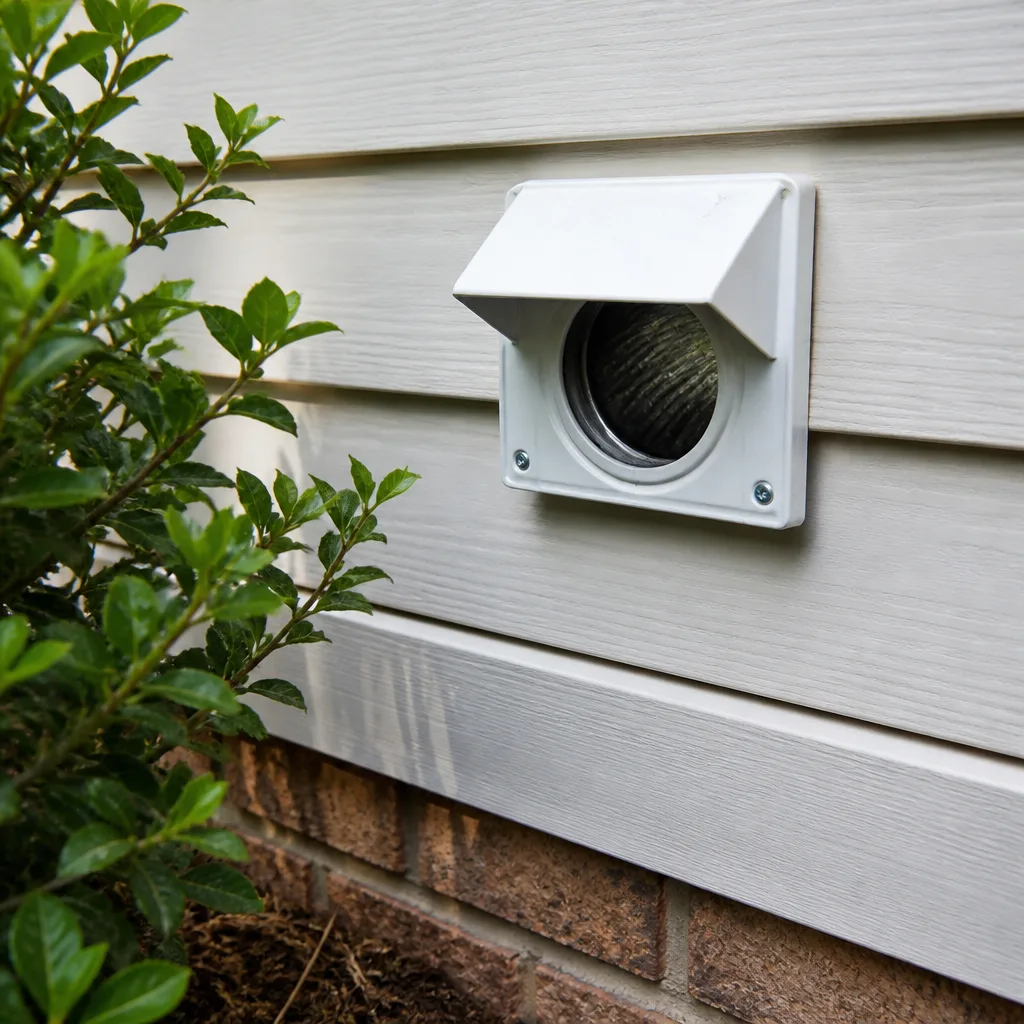 Dryer vent cleaning
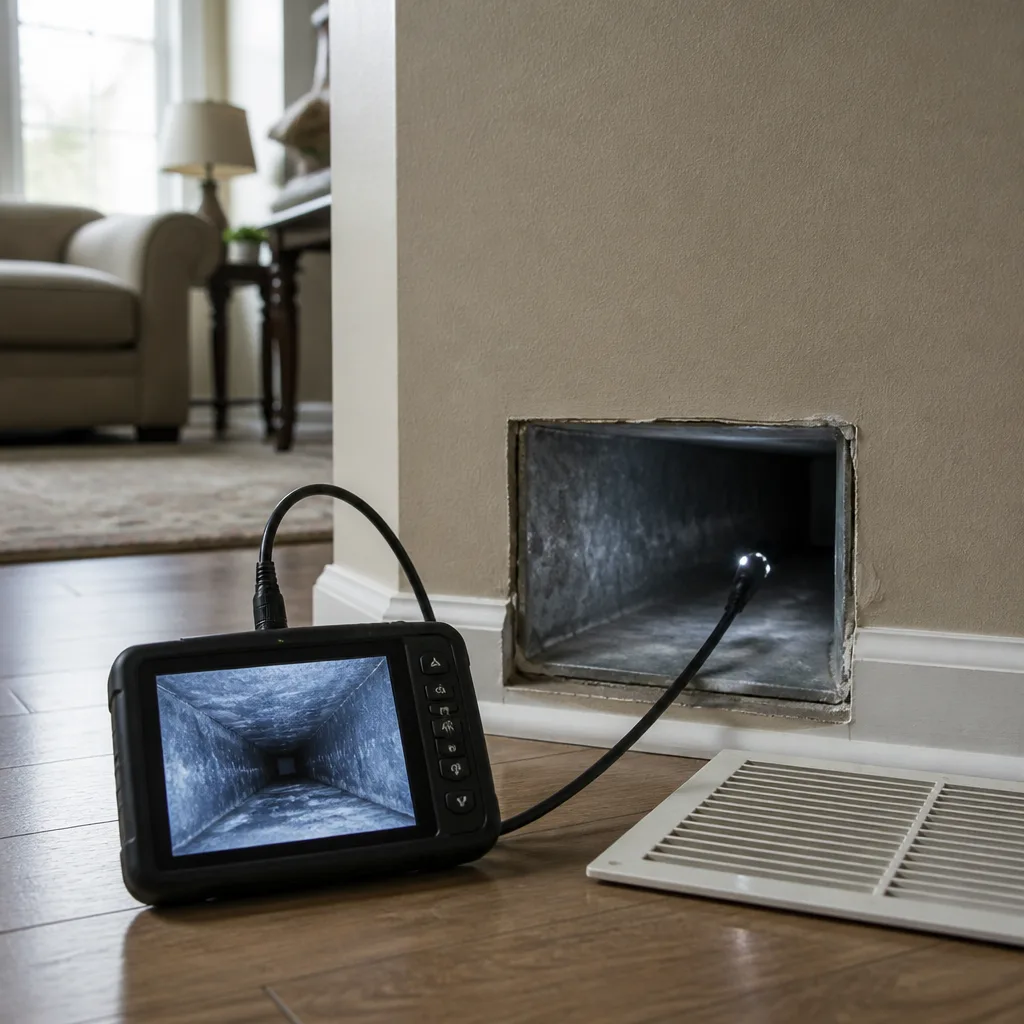 Camera inspection
 Sanitizing & deodorizing
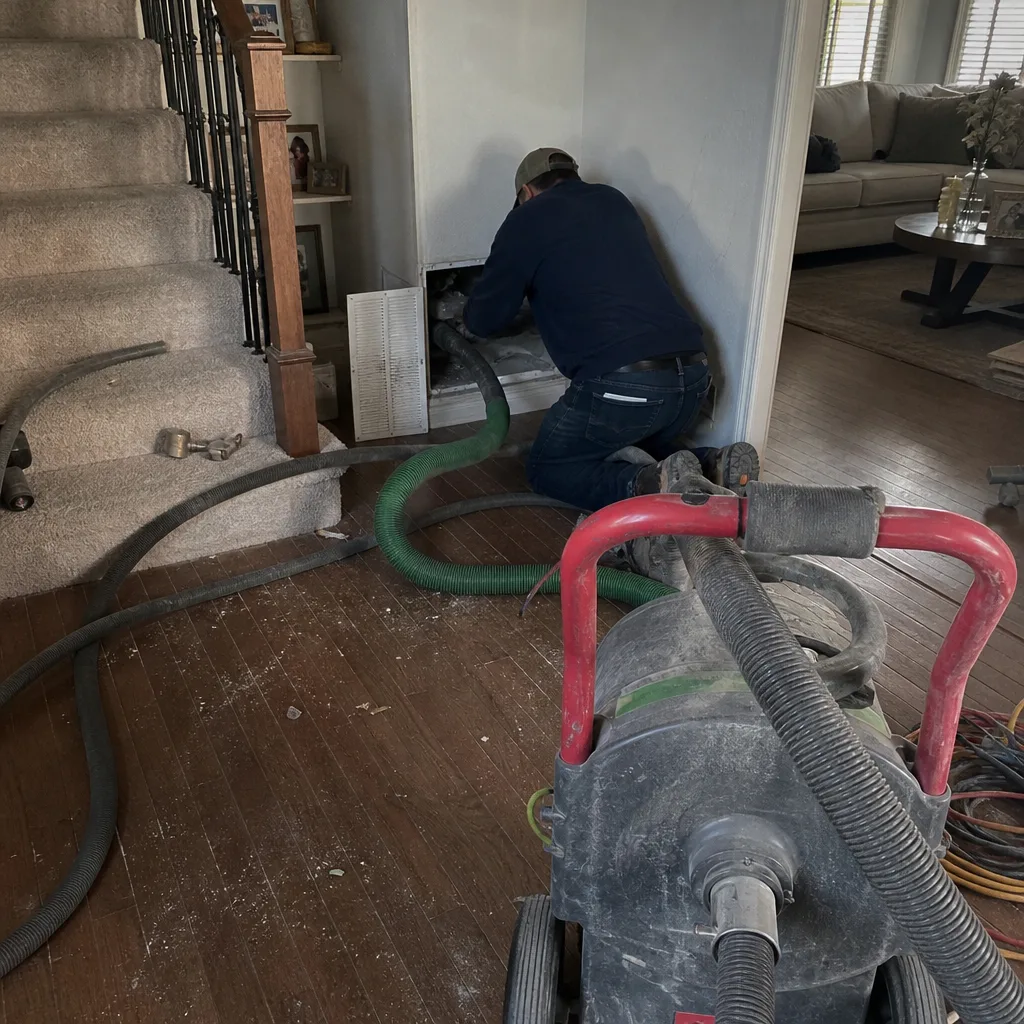
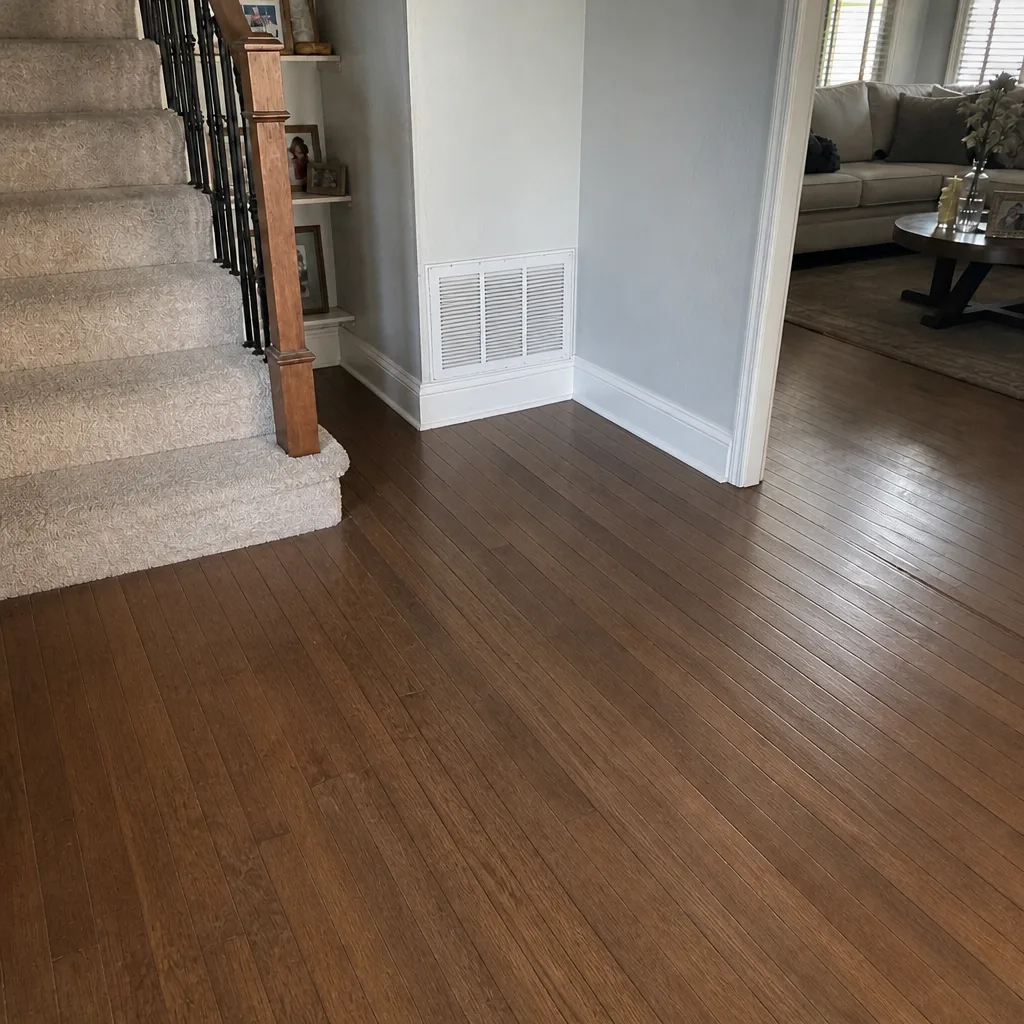
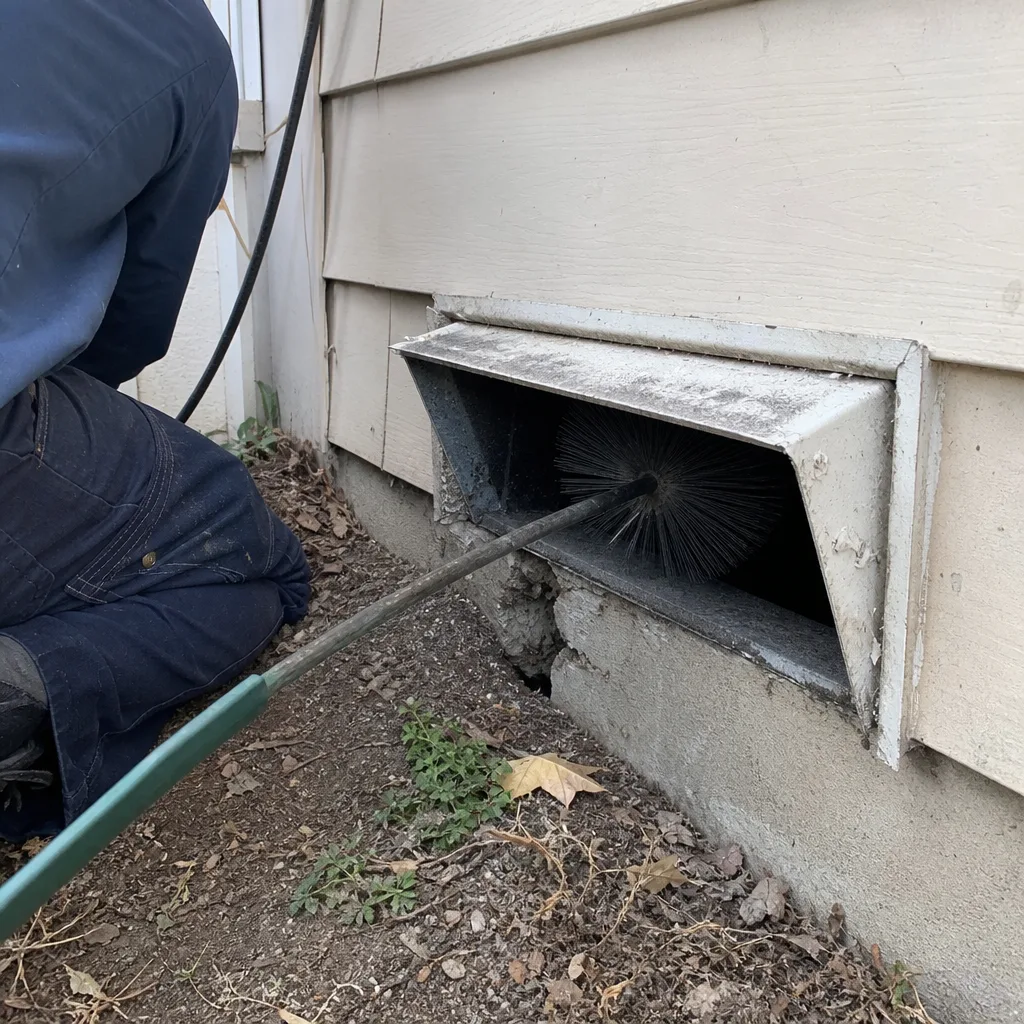
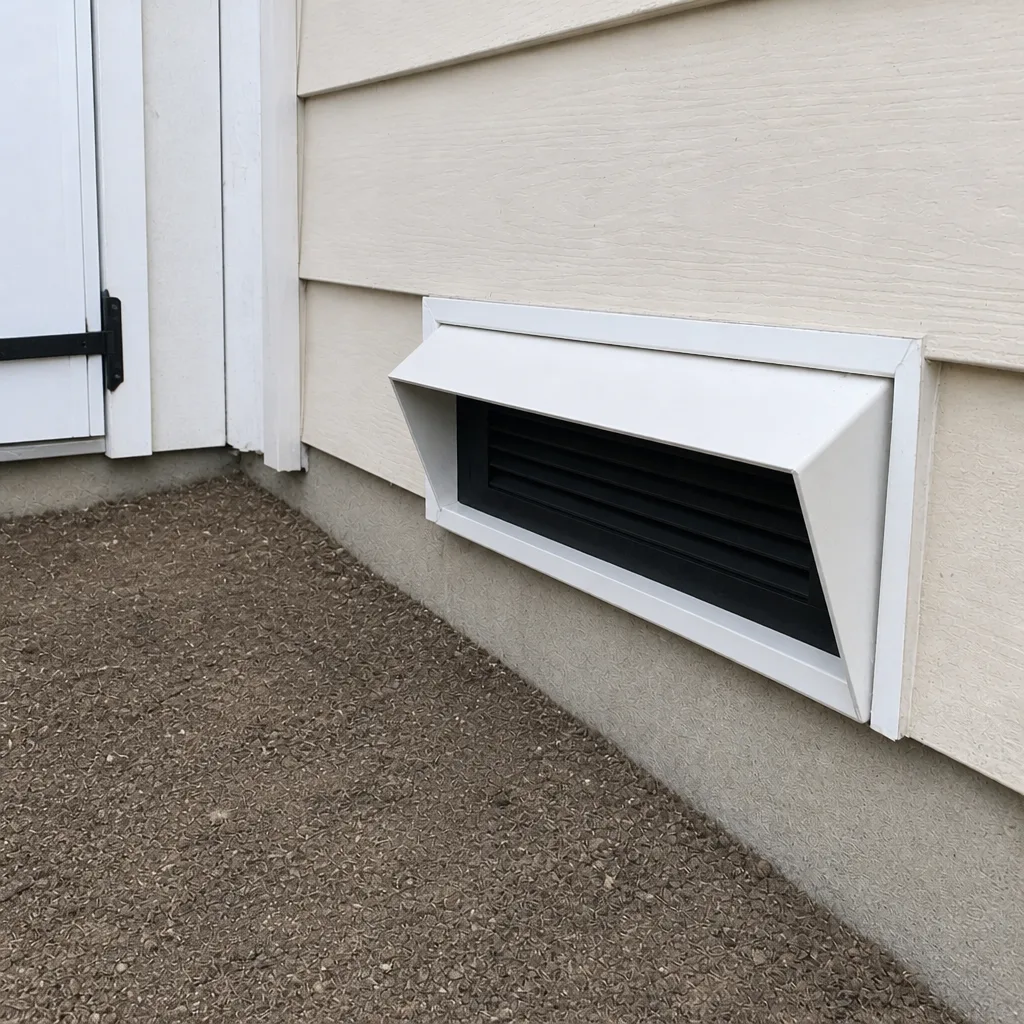
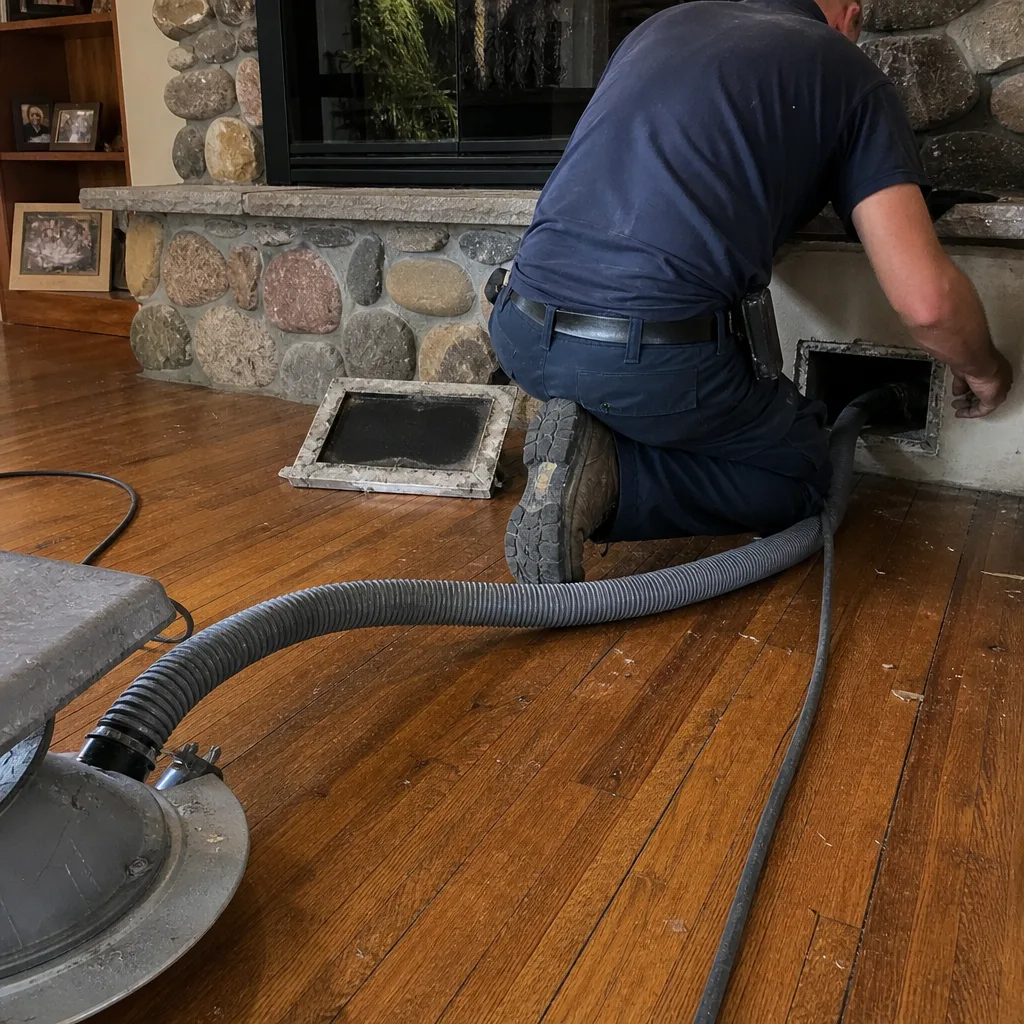
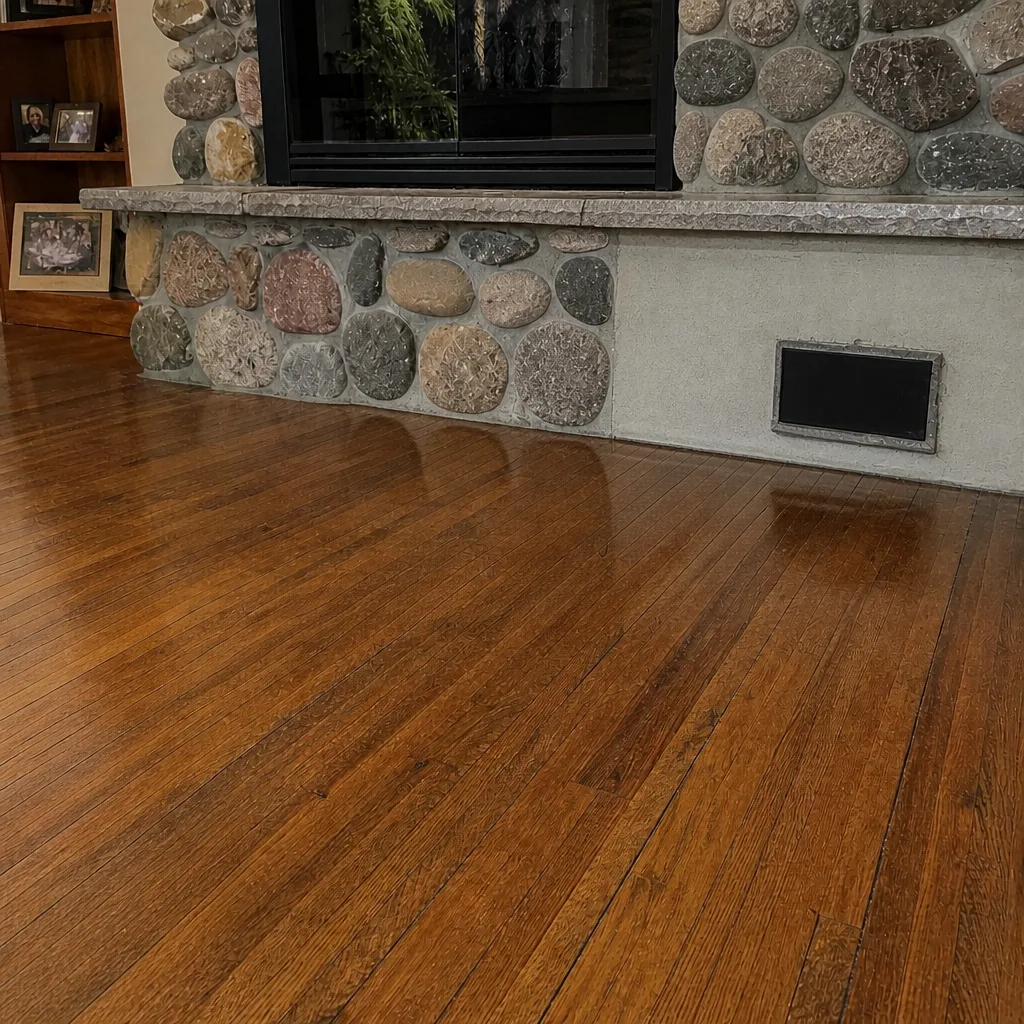
Whole-system duct and dryer vent check with before-and-after photos - you see exactly what came out of your vents
That "$99 whole-house special" is a bait ad - the real number appears once they are in your hallway, or the "clean" is a shop-vac at the register. We photograph the inside of your ducts before and after instead.
Air Duct Cleaning Permits, Codes & Inspections in Boise City, ID: What You Need to Know
Here’s the part most people miss: the duct cleaning itself usually needs no permit at all. What needs one is the indoor air quality hardware that gets bolted onto your system during the same visit. A UV-C light wired into a plenum, a media filter cabinet cut into the return, or a bypass humidifier tapped into supply ductwork is mechanical work, and in Boise City that work sits under the adopted mechanical code. Skip the permit and you don’t just risk a failed inspection later. You create a paper trail problem that follows the house to closing. This guide walks through where cleaning ends and alteration begins, which add-ons trigger a permit, how ventilation standards interact with duct sealing, what inspectors look for after remediation, and what Idaho disclosure law says about all of it.
Quick Answer
In Boise City, routine air duct cleaning and maintenance generally does not require a building permit, because cleaning is not classified as an alteration to the mechanical system. IAQ add-ons that change the system itself, like UV-C germicidal lights, bypass humidifiers, and media filter cabinets, typically do require a mechanical permit and a licensed HVAC contractor. Post-remediation duct work after mold or smoke damage gets inspected as altered mechanical work, and unpermitted modifications can become a disclosure issue when you sell.
Styles & brands we work with
- Whole-home duct cleaning
- Dryer vent cleaning
- Camera inspection
- Sanitizing & deodorizing
Table of Contents
- Cleaning and Maintenance vs. Alteration: Where the Line Sits
- Which IAQ Add-Ons Require a Mechanical Permit in Boise City
- ASHRAE 62.2 Ventilation and Duct Sealing During a Cleaning Job
- The Post-Remediation Inspection: What the City of Boise Wants to See
- Idaho Property Disclosure: Duct Condition and Unpermitted Work
- Dryer Vent Codes: The Separate Rulebook Nobody Reads
- How the Permit Process Actually Goes in Ada County
- Keeping Records Your Future Buyer Will Thank You For
Cleaning and Maintenance vs. Alteration: Where the Line Sits
Ada County adopts the International Residential Code, and the mechanical provisions in that code govern duct systems. The distinction that matters for a Boise City homeowner is the one between maintaining a system and changing it. Cleaning falls on the maintenance side. Alteration falls on the other, and that’s where permits enter.
Here’s the working breakdown:
- Cleaning and maintenance: removing debris from ducts and registers, replacing filters, cleaning a blower compartment, resealing an access panel. No permit.
- Repair of the existing system: reconnecting a separated joint, patching a crushed flex run, fixing a leaking trunk connection. Generally no permit when the system configuration is unchanged.
- Alteration: adding, removing, or relocating duct runs, changing system capacity, wiring new equipment into the HVAC electrical circuit, or installing an appliance that becomes part of the mechanical system. Permit territory.
The tricky cases sit in the middle. Replacing a section of flex duct with rigid pipe in the same location is usually a repair. Reconfiguring a trunk line to serve a new room is an alteration. In our experience, homeowners get surprised most often by electrical tie-ins, because a UV-C light feels like a small accessory but it’s a new electrical load inside the air handler assembly.
One practical note for Boise City homes: many houses here were built during the 1990s and 2000s boom, and some have flex duct runs under the attic insulation where conditions shift hard between summer and winter. Those runs get repaired constantly. A repair is normal. A repair that adds length or a new branch is not, and that’s when you should be asking the building department a question rather than a technician.
Which IAQ Add-Ons Require a Mechanical Permit in Boise City
Most IAQ equipment that becomes part of the air distribution system requires a mechanical permit and installation by a licensed HVAC contractor. That’s the short version. The longer version matters because Boise City homeowners order these add-ons regularly during cleaning visits, and the paperwork can be the difference between a clean inspection and a messy resale.
Here’s how the common additions sort out:
- UV-C germicidal lights: these mount inside the air handler or plenum and wire into the unit’s electrical supply. Permit required in most jurisdictions, and the electrical connection is the reason. A licensed HVAC contractor should do the install.
- Bypass humidifiers: a bypass humidifier cuts into both the supply and return ductwork, which makes it a duct alteration by any reading of the code. Permit required.
- Media filter cabinets: replacing a standard filter slot with a 4- to 5-inch media cabinet means cutting duct and framing a new housing. Permit required.
- Whole-home air cleaners: electronic air cleaners like the Honeywell F300 line are wired into the HVAC system, which puts them in the same category as the UV light. Permit required.
- Standalone filtration and purification upgrades that don’t modify ducting: portable units, plug-in purifiers, and filter-slot replacements of the same physical size. No permit, no licensing issue.
We install and recommend Honeywell and Aprilaire equipment because those brands are the ones HVAC engineers and allergists already know, and because they come with documentation that satisfies an inspector. But we want to be direct about something: if you’re having a UV-C light or a media cabinet installed, ask to see the permit and the contractor’s license. In our experience, that one question separates a proper installation from an unpermitted one, and once the drywall or plenum is closed, you can’t tell the difference by looking.
For a full look at what a standard visit involves, see our air duct cleaning page.
ASHRAE 62.2 Ventilation and Duct Sealing During a Cleaning Job
Boise City has adopted the ventilation requirements that trace back to ASHRAE 62.2, which governs whole-building ventilation for low-rise residential buildings. The practical effect on a cleaning job is this: sealing ducts can change the ventilation behavior of a house, and a sealed system that was already undersized for fresh air gets tighter, not better.
Why does that matter in Boise City specifically? Because the building envelope here is challenged in both directions. Summer afternoons run hot and dry, and winter swings cold enough that a loose return pulls attic or crawlspace air into the living space. A leaky duct system in this climate doesn’t just lose conditioned air. It imports dust, insulation fibers, and whatever else is sitting in the interstitial spaces.
Sealing during cleaning is good work when it’s done with judgment. Here’s what a thoughtful seal job accounts for:
- Whether the return side is pulling from a crawlspace or attic, and whether that connection should be sealed or reconfigured.
- Whether the house has any deliberate outside-air intake, and whether cleaning or repair work disturbs it.
- Whether the sealed system still has adequate ventilation once the duct leakage is reduced.
This is also where professional equipment separates itself from a shop vac. Rotobrush handles agitation and vacuum in one pass, and Nikro gives us HEPA-rated extraction, which matters when you’re cleaning ducts in a house where a homeowner reports musty smells or allergy flare-ups. Cleaning without sealing leaves the leaks. Sealing without ventilation thinking can leave a house tight and stale. Both need to be part of the conversation.
If you’re researching this from outside Boise City, the same ventilation principles apply, but the climate assumptions shift.
The Post-Remediation Inspection: What the City of Boise Wants to See
Post-remediation duct work gets treated as altered mechanical work, which means permits and inspection. Remediation here means duct systems that were contaminated by mold growth or smoke damage and then cleaned and repaired. That’s different from routine maintenance cleaning, and the documentation burden is higher.
What inspectors in this area tend to look for, based on how these jobs are reviewed:
- Permits pulled before the work begins. Retroactive permits exist but they’re harder, and they signal a problem.
- Evidence of sealing after section replacement. New duct runs should be sealed at joints, not just fitted together.
- Adequate access panels. If a contractor sealed up the system without leaving service access, that gets flagged.
- Support and clearances. Duct runs need proper support and clearance from combustibles, especially in tight mechanical closets common in Boise City homes built on slab.
- Combustion air verification. If the ducts run near a gas appliance, the inspector wants to see that combustion air wasn’t compromised during the remediation.
If your home had elevated contamination and you’re looking at Abatement Technologies-grade work with negative-air containment, that’s the right level of response. Abatement equipment handles the containment side so the rest of the house doesn’t get cross-contaminated during the remediation. Ask any contractor you’re considering whether they have that capability. If they don’t, the remediation plan probably has holes.
We want to say clearly that we handle duct cleaning, dryer vent cleaning, and air duct repair. We don’t perform standalone mold remediation, and we don’t install HVAC systems. When remediation involves those pieces, you need the right specialists working with a permit, and the inspection documentation should reflect that.
Idaho Property Disclosure: Duct Condition and Unpermitted Work
Idaho property disclosure requirements mean a seller must disclose material defects in the property, and unpermitted mechanical modifications to the duct system or HVAC equipment can qualify. In practical terms: if you had a UV-C light installed without a permit and the duct system was modified to accommodate it, you’re now in a position where you either disclose it or risk a claim later.
The ugly version of this happens several years down the line. A buyer’s inspector finds a media filter cabinet cut into a return without a permit sticker. The buyer asks for records. The seller has none. The deal stalls or the seller eats a credit. In our experience, the missing permit is rarely the real problem. The real problem is that nobody documented what was done or who did it.
What a seller should be able to produce:
- Any permits pulled for IAQ equipment installation, along with the final inspection sign-off.
- Service records from cleaning and repair work, showing what was cleaned and what was repaired.
- Before-and-after documentation where the work involved contamination remediation.
If you’re buying a Boise City home and the seller can’t produce any of this, that’s a signal to have the duct system evaluated before closing. Duct systems hold evidence of prior work well, and a proper evaluation catches unpermitted modifications that a general home inspector may not flag.
Dryer Vent Codes: The Separate Rulebook Nobody Reads
Dryer vent cleaning sits outside the mechanical duct code but inside fire safety code, and the requirements are more specific than most homeowners realize. The U.S. Fire Administration cites dryer vent issues as a leading cause of residential house fires, and the installation rules reflect that.
The core requirements that matter:
- Dryer vent runs should be as short and straight as practical, with limited elbows.
- Vent material should be smooth metal, not the flexible foil or plastic type still found in older homes.
- Vents should terminate outside the building, not into an attic or crawlspace.
- Transitions and connections should be sealed and secured.
Older Boise City homes sometimes have dryers vented through exterior walls with short, workable runs. Newer construction occasionally has longer runs that meet the letter of the code but accumulate lint faster than the homeowner expects. In both cases, the lint trap in the machine catches only part of what’s generated, and the rest of it coats the vent and the interior of the ductwork.
dryer vent cleaning is one of the services we consider non-negotiable for safety. It’s a $150-$250 service on a typical residential run, sometimes more where a long run or difficult access adds time, and it’s the cheapest fire safety upgrade any homeowner can make. Call (866) 552-6419 for an exact quote. Estimates are free.
How the Permit Process Actually Goes in Ada County
The permit process for IAQ equipment in Boise City is not complicated, but it’s not optional either. Here’s how it typically runs:
- Scope the job first. Identify exactly which equipment is being installed and whether it modifies ducting or electrical connections. Cleaning alone doesn’t trigger anything.
- Hire a licensed HVAC contractor for the mechanical work. Duct cleaning and duct repair can be done by a specialty company. Anything that alters the mechanical system’s electrical or distribution side should be done by a licensed HVAC contractor.
- Pull the permit before work starts. The City of Boise building department issues mechanical permits for this class of work. Retroactive permits are harder to get and cost more.
- Schedule the inspection. Post-installation inspection confirms the equipment is wired, ducted, and clearanced correctly.
- Keep the signed permit and inspection record with the house paperwork. This is the part that pays off at resale.
What if the contractor tells you a permit isn’t needed? Ask them to confirm in writing which code section they’re relying on. If they can’t, that’s a signal the permit needs to be pulled. In our experience, contractors who do this work regularly and carefully have no problem putting the permit number on the invoice.
Duct Cleaning Boise City coordinates with licensed HVAC contractors on jobs that touch the mechanical system, and we handle the duct side across Duct Cleaning Boise City with professional-grade Rotobrush and Nikro equipment. If the work involves a permit, we tell you upfront so it’s part of the plan, not a surprise later.
Keeping Records Your Future Buyer Will Thank You For
Documentation is the quiet asset in all of this. A clean duct system with good records is worth more at resale than a clean duct system with nothing to show for it. Here’s what’s worth keeping in a house file:
- Service invoices for every cleaning job, noting the date and the equipment used.
- Photos of the duct interiors before and after cleaning, which most reputable cleaners can provide.
- Any permits and final inspection sign-offs for IAQ equipment.
- Manufacturer documentation for Honeywell or Aprilaire products.
- Notes on any duct repair work, including what was repaired and where.
None of this is mandated by law. But when a buyer’s inspector asks whether the media filter cabinet was permitted, or whether the UV light was professionally wired, having the paperwork ready answers the question in seconds. In Boise City’s competitive resale market, that’s not a small thing.
Common Mistakes to Avoid
- Assuming cleaning requires a permit. It doesn’t, and hiring a company that implies it does suggests they don’t understand the line between cleaning and alteration.
- Letting a duct cleaning technician install a UV-C light without a permit. The electrical tie-in is permit work, and an unpermitted install becomes a disclosure issue later.
- Cutting a media filter cabinet into a return without pulling a permit. It’s a duct alteration, not a filter replacement, and an inspector will treat it that way.
- Skipping dryer vent cleaning because “it’s just a dryer.” The U.S. Fire Administration links dryer vent issues to a leading share of house fires. It’s not a minor service.
- Ignoring a musty smell from a vent during Boise City’s dry season. Dry air sometimes masks moisture issues that become obvious when conditions shift, and mold growth in ducts doesn’t go away on its own.
- Cleaning without checking whether the ducts need repair first. Cleaning a crushed flex run before repairing it means cleaning a system that will just get dirty again.
- Failing to keep the permit paperwork. An unpermitted install you can’t document is a problem at resale, even if it was done correctly.
- Hiring a “blow-and-go” company and expecting IAQ-grade results. Consumer-grade vacuums push as much debris into the air as they remove, and there’s no way to verify the work afterward.
See the difference
 Before
 After
 Before
 After
 Before
 After
When to Call a Professional
Some duct problems are visible from a register. Most aren’t. When you’re seeing dust settling faster than usual after a cleaning cycle, noticing a musty smell from certain vents, or inheriting a system with unknown history in a Boise City home you just bought, that’s the point to call. If you’re planning a UV-C light, media filter cabinet, or bypass humidifier install, call before the equipment goes in, not after. If you’re listing a house and finding unpermitted IAQ equipment on the mechanical system, call before the inspection report lands. And if your dryer vent hasn’t been cleaned in a while, call regardless. Duct Cleaning Boise City offers free estimates in Boise City – call (866) 552-6419. We answer 24/7, and fast dispatch runs from 7am to 7pm, Sunday through Friday.
Frequently Asked Questions
Air duct cleaning in Boise City typically runs $350-$700 for a whole-home system, depending on system size, duct configuration, and accessibility. Homes with extensive flex duct runs or difficult attic access tend to land toward the higher end. We quote one flat price per system before work starts, never a per-vent price, so there are no surprises once we’re on site. Call (866) 552-6419 for an exact quote. Estimates are free.
No. Routine air duct cleaning does not require a permit in Boise City because it’s classified as cleaning and maintenance, not as an alteration to the mechanical system. Repair work that leaves the system configuration unchanged typically doesn’t require one either. Permits enter the picture when IAQ equipment modifies the ducting or the electrical system, or when remediation work involves altered duct runs.
In most cases, yes. UV-C germicidal lights wire into the air handler’s electrical circuit, and media filter cabinets cut into return ductwork. Both count as mechanical alterations under Ada County’s adopted IRC mechanical provisions, which means a permit and a licensed HVAC contractor. If a contractor tells you a permit isn’t needed for a UV-C install, ask which code section they’re relying on.
Because the job is smaller than what you actually need. Low quotes typically come from companies using consumer-grade vacuums and no agitation, which means they pull surface dust without addressing what’s stuck to the duct walls. In our experience, “blow-and-go” work looks good for a few weeks and then the dust returns. Professional-grade equipment like Rotobrush and Nikro costs more to operate, and that shows up in the quote. Call (866) 552-6419 for a quote that reflects a real cleaning job. Estimates are free.
Before-and-after photos of your own ducts. A company using proper equipment can photograph the interior of the ducts before cleaning, during the process, and after. If a contractor can’t or won’t provide that documentation, that’s a signal the work is being done from the register down with a vacuum that doesn’t reach the trunk lines. We provide photos as standard practice because it’s the only honest way to verify cleaning happened.
Every three to five years for most Boise City homes, and more often if you have pets, if the home recently went through renovation, if you’re seeing allergy symptoms that correlate with HVAC cycles, or if the system has never been cleaned. In a desert climate with summer dust and winter dry air, ducts accumulate debris faster than homeowners in greener climates expect. If you can’t remember the last cleaning, that’s your answer.
The Bottom Line
Duct cleaning itself is maintenance, and Boise City doesn’t require a permit for it. The IAQ add-ons that accompany the cleaning usually do, and skipping that step creates a liability that surfaces at resale and can undermine insurance coverage on any claim tied to the HVAC system. Sealing, ventilation, and post-remediation work all need judgment applied to this specific climate and housing stock, not a template. Keep your paperwork, ask for permits on anything that alters the mechanical system, and demand photo documentation of what was actually cleaned. That’s the standard a Boise City homeowner should expect from any duct service. Our technicians have up to 8 years of experience, and we’re happy to explain where your system sits on the permit line. Call (866) 552-6419 for a free estimate. We answer 24/7. Fast dispatch from 7am to 7pm, Sunday through Friday.
Written by the team at Duct Cleaning Boise City.