
Last updated November 16, 2026
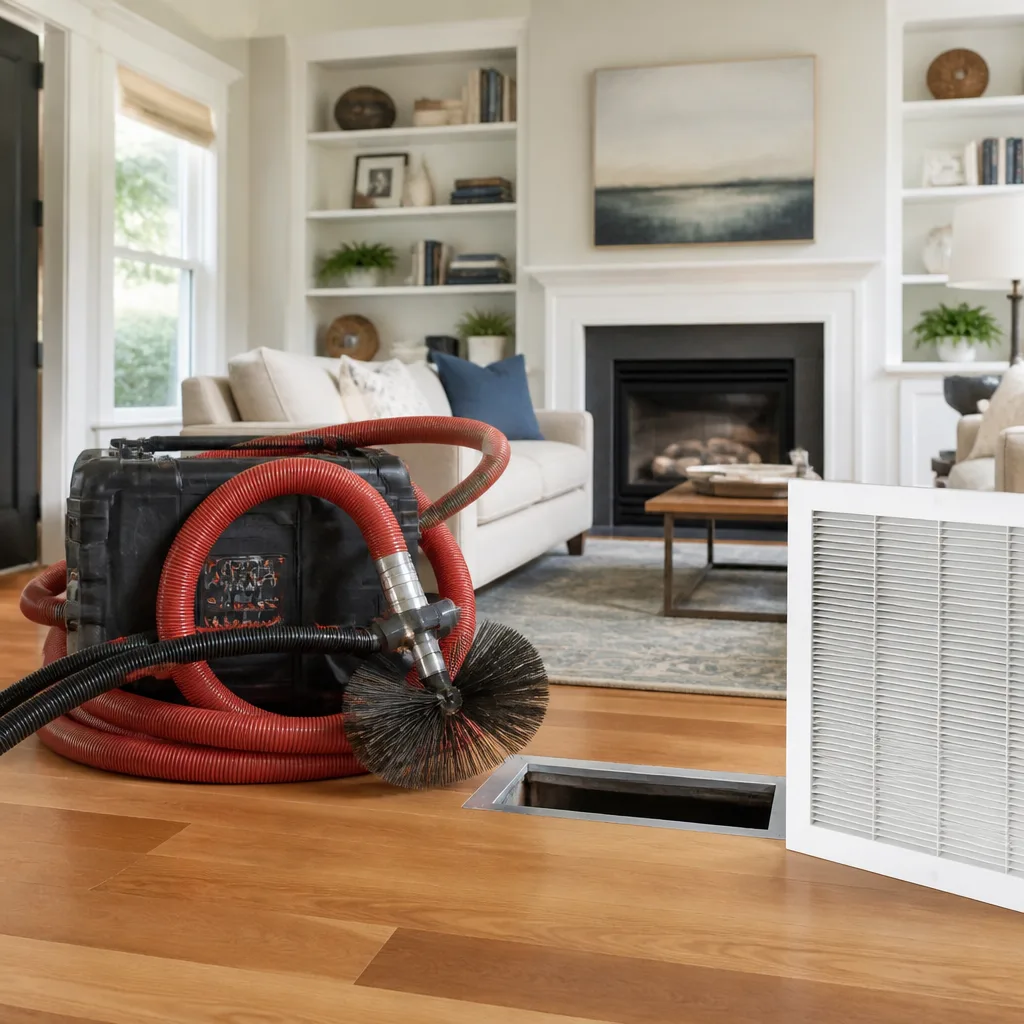 Whole-home duct cleaning
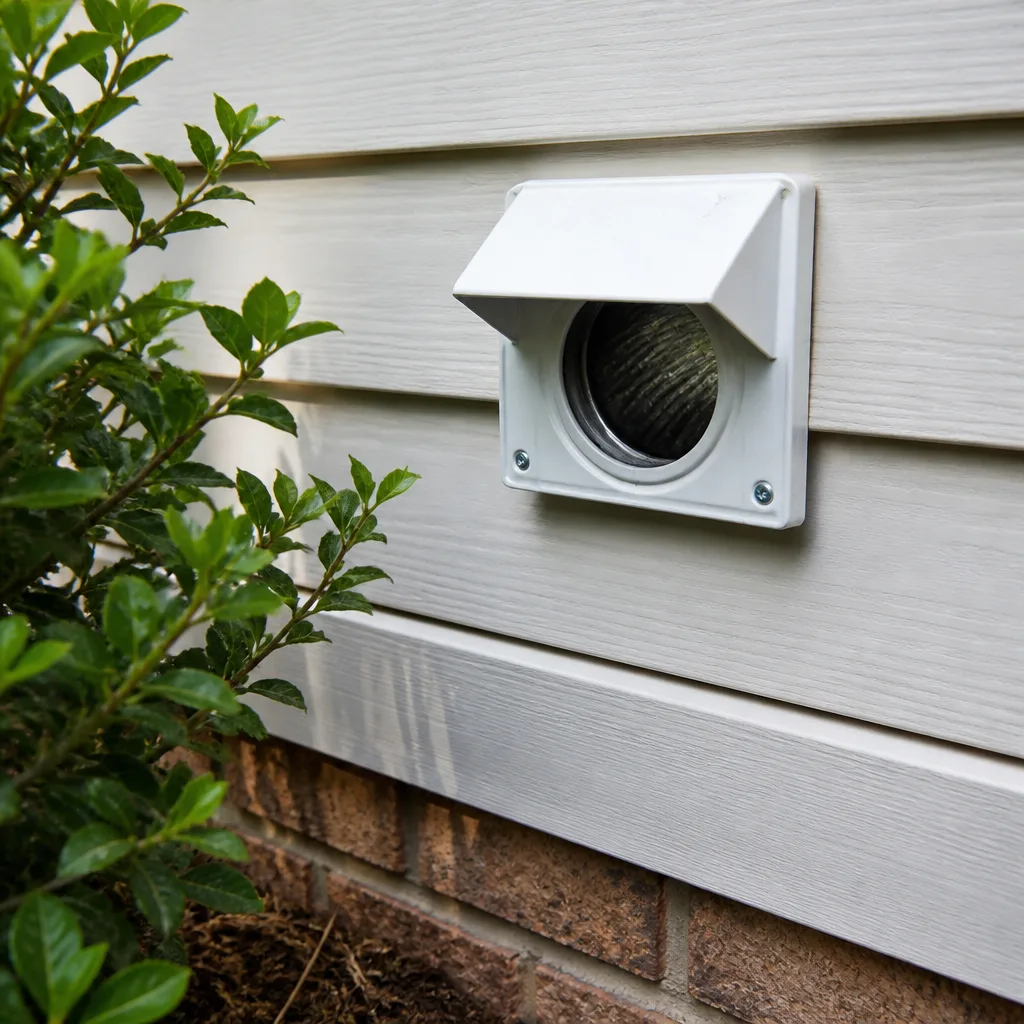 Dryer vent cleaning
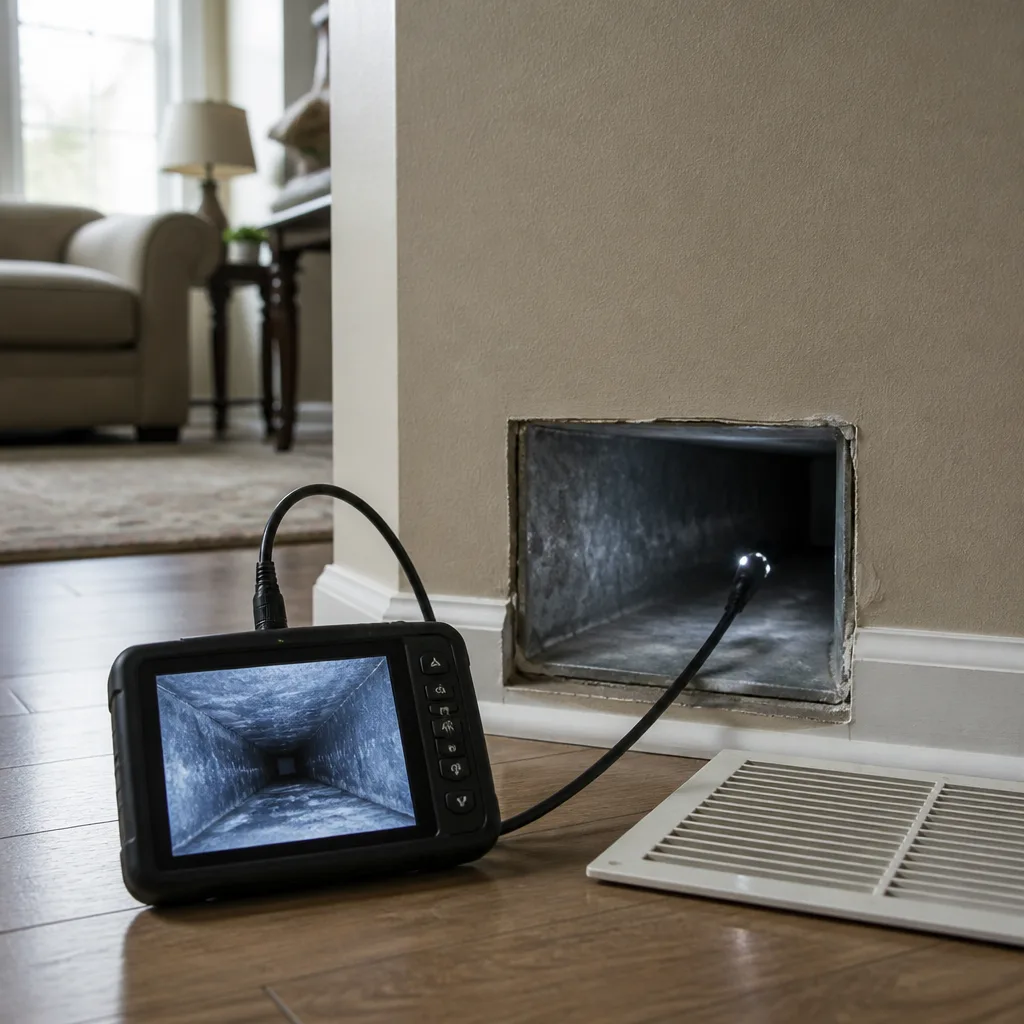 Camera inspection
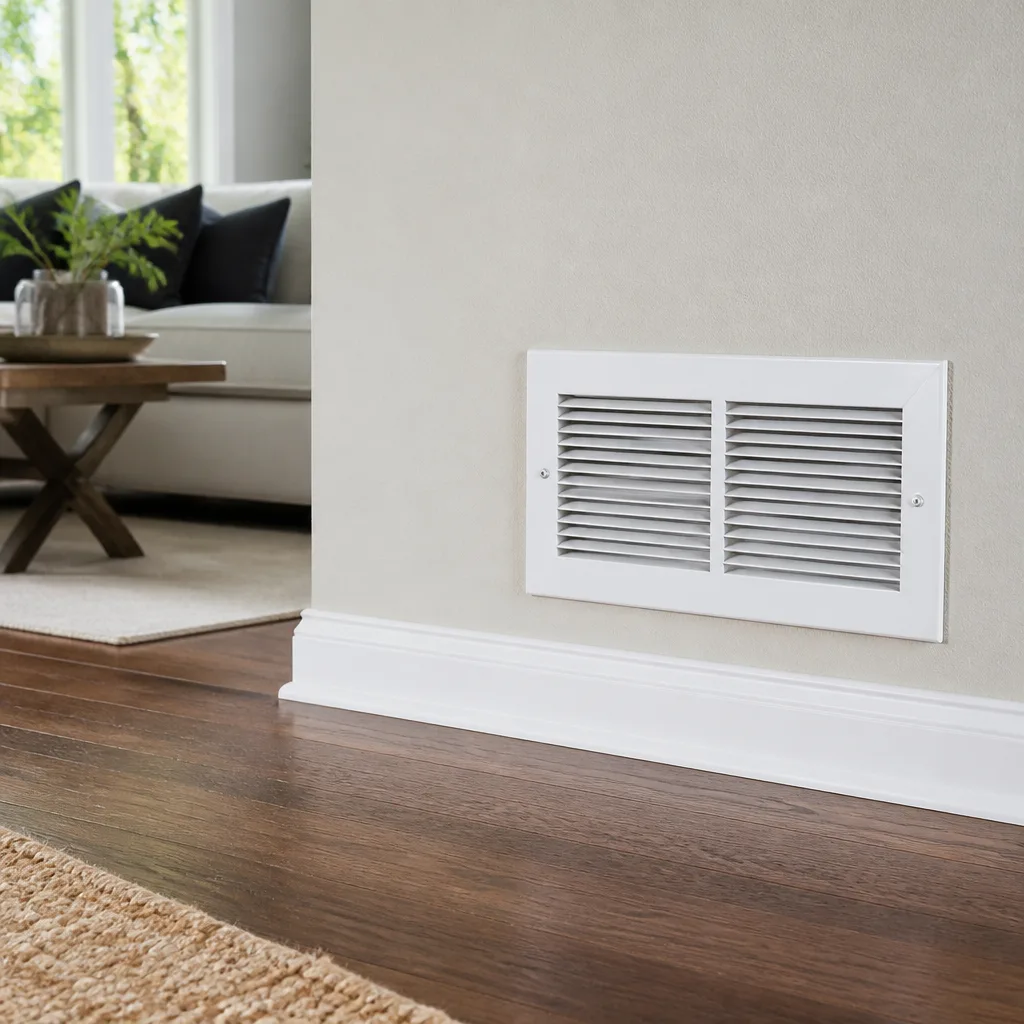 Sanitizing & deodorizing
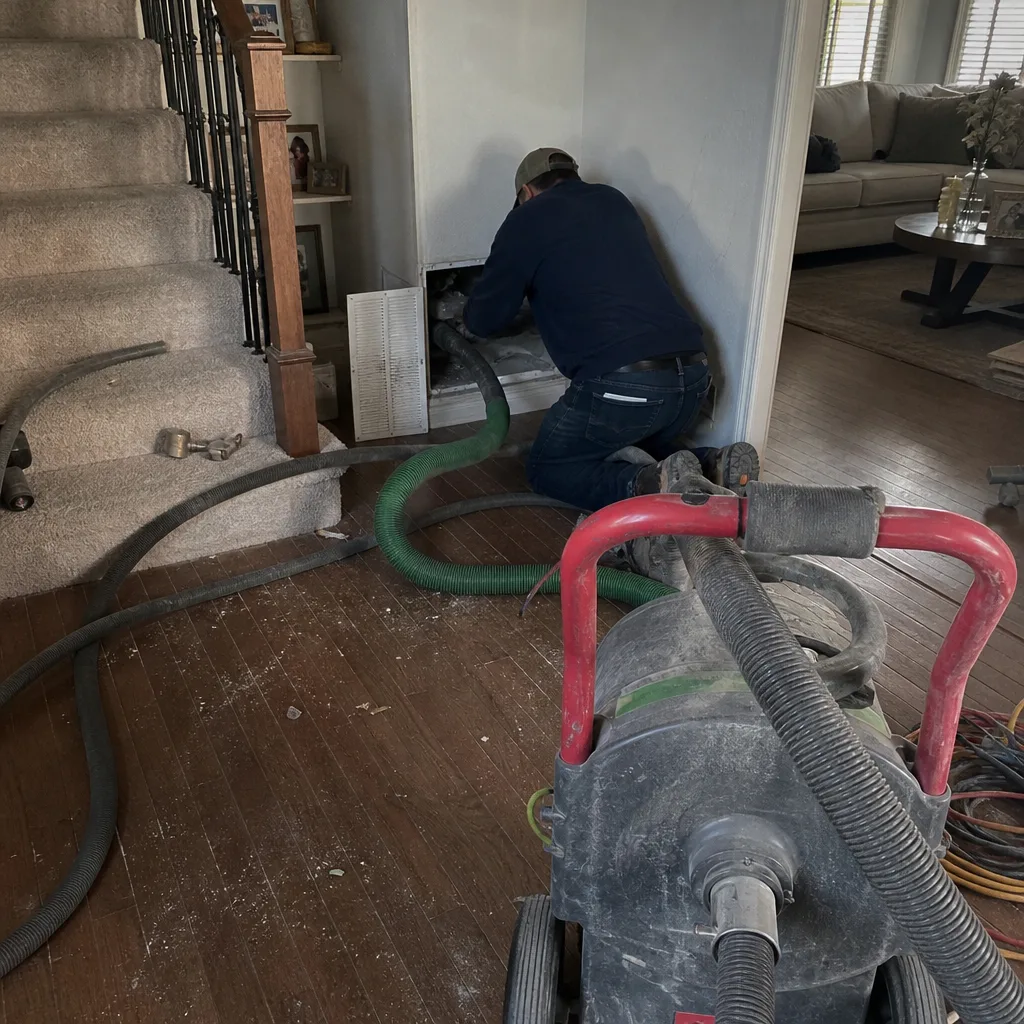
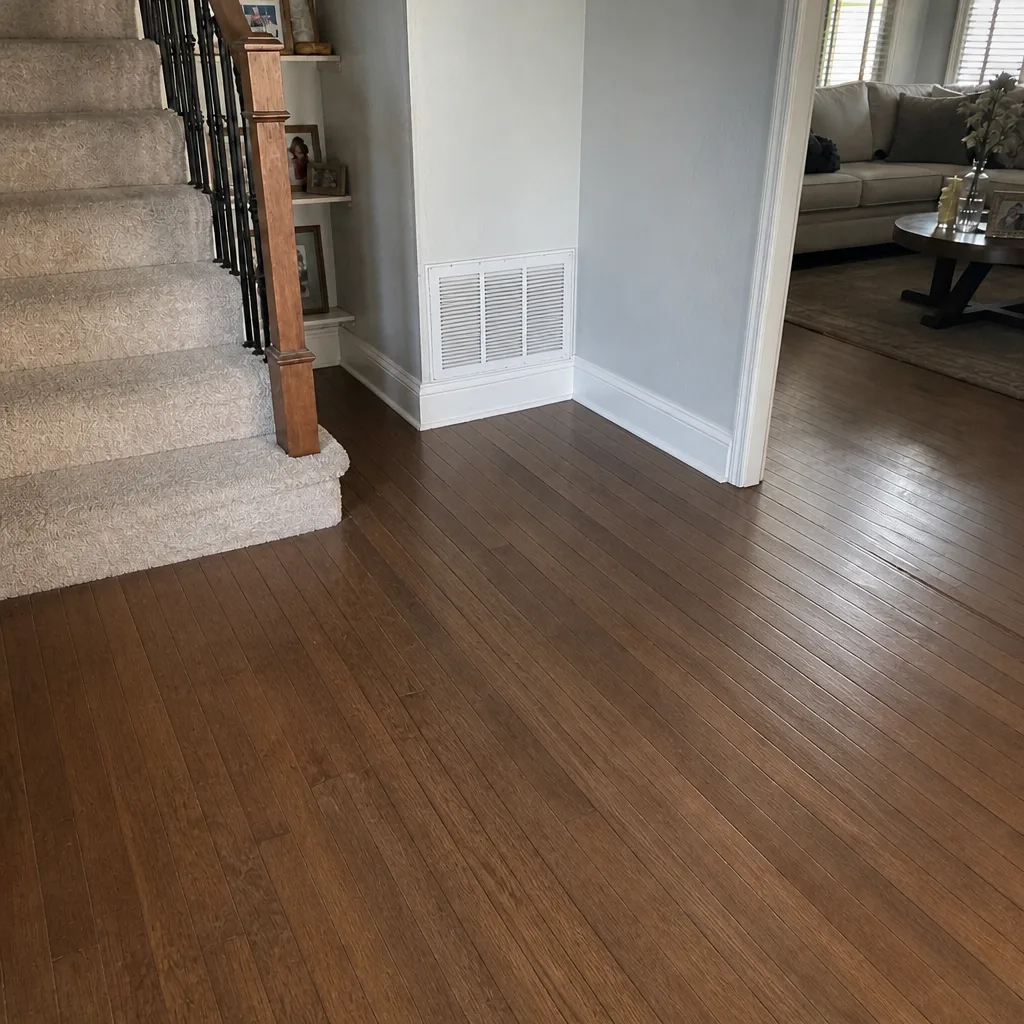
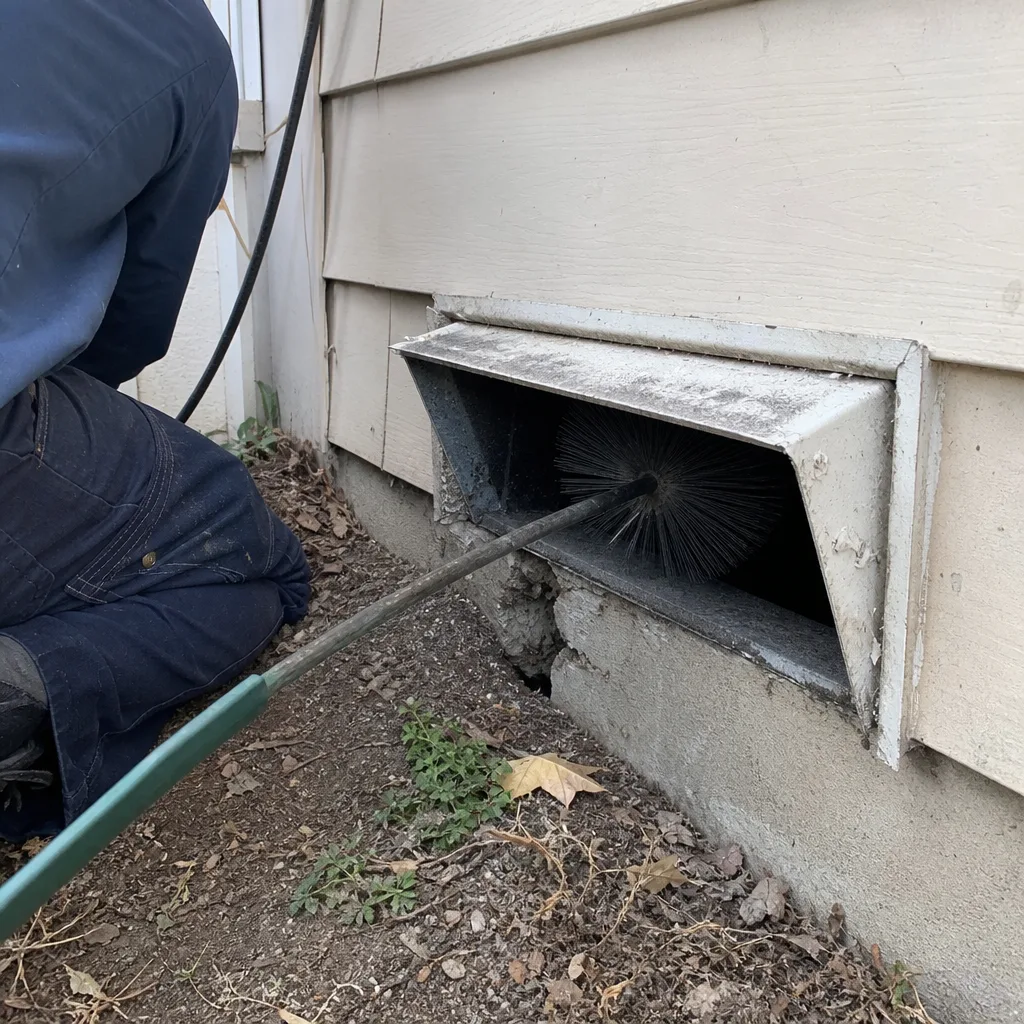
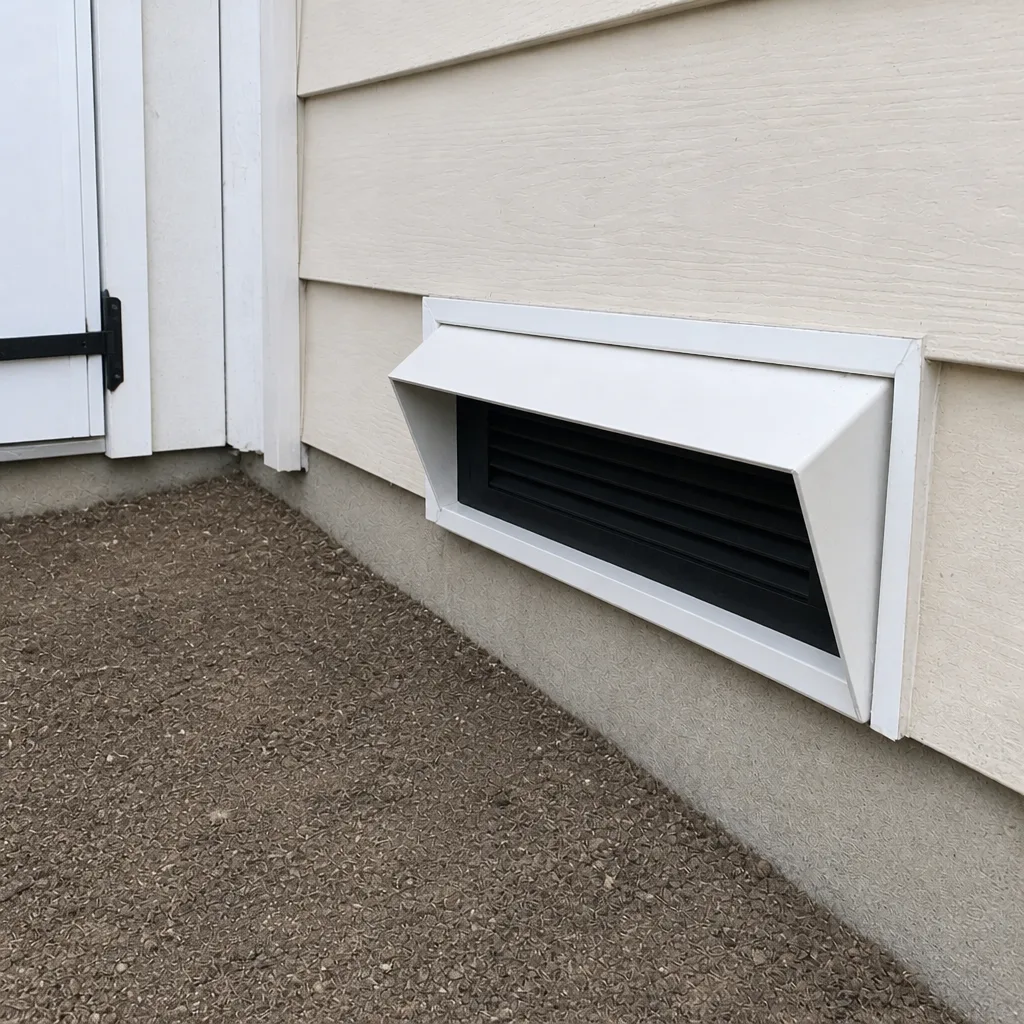
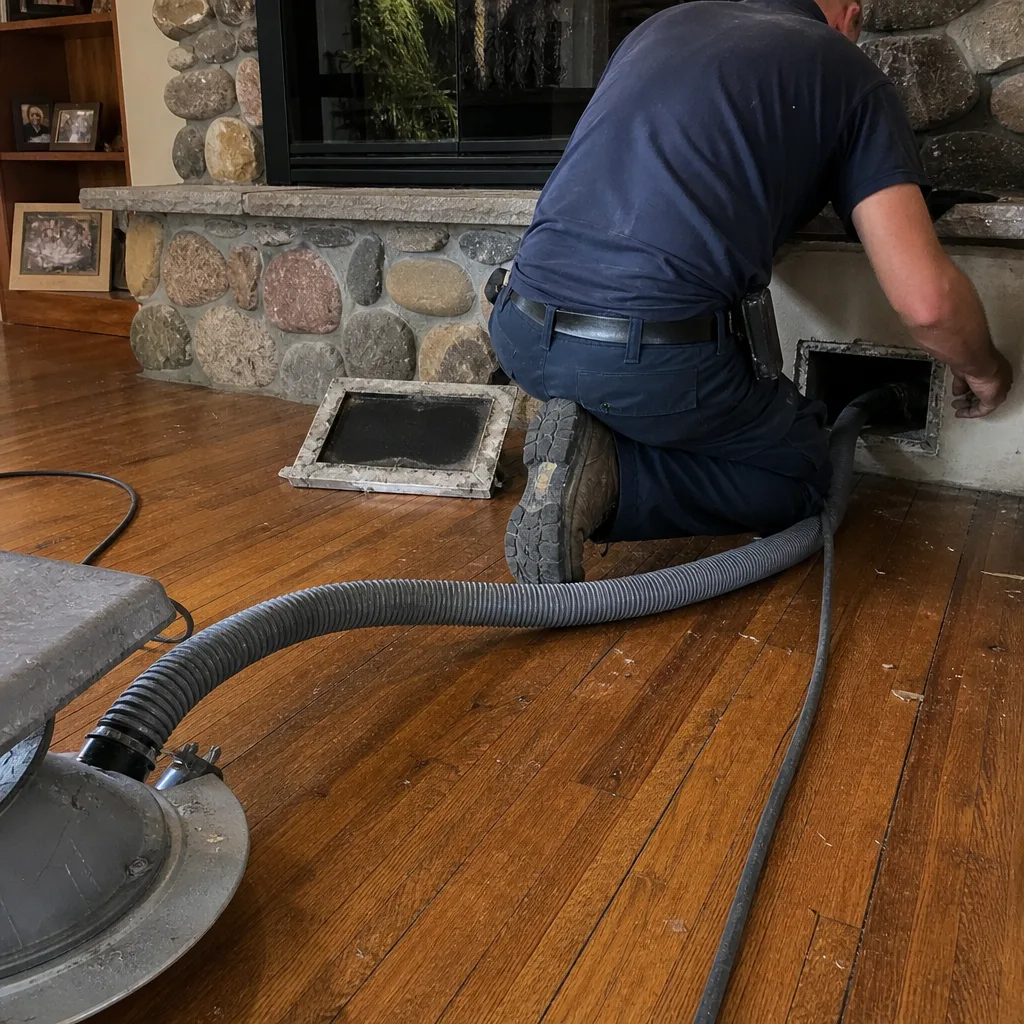
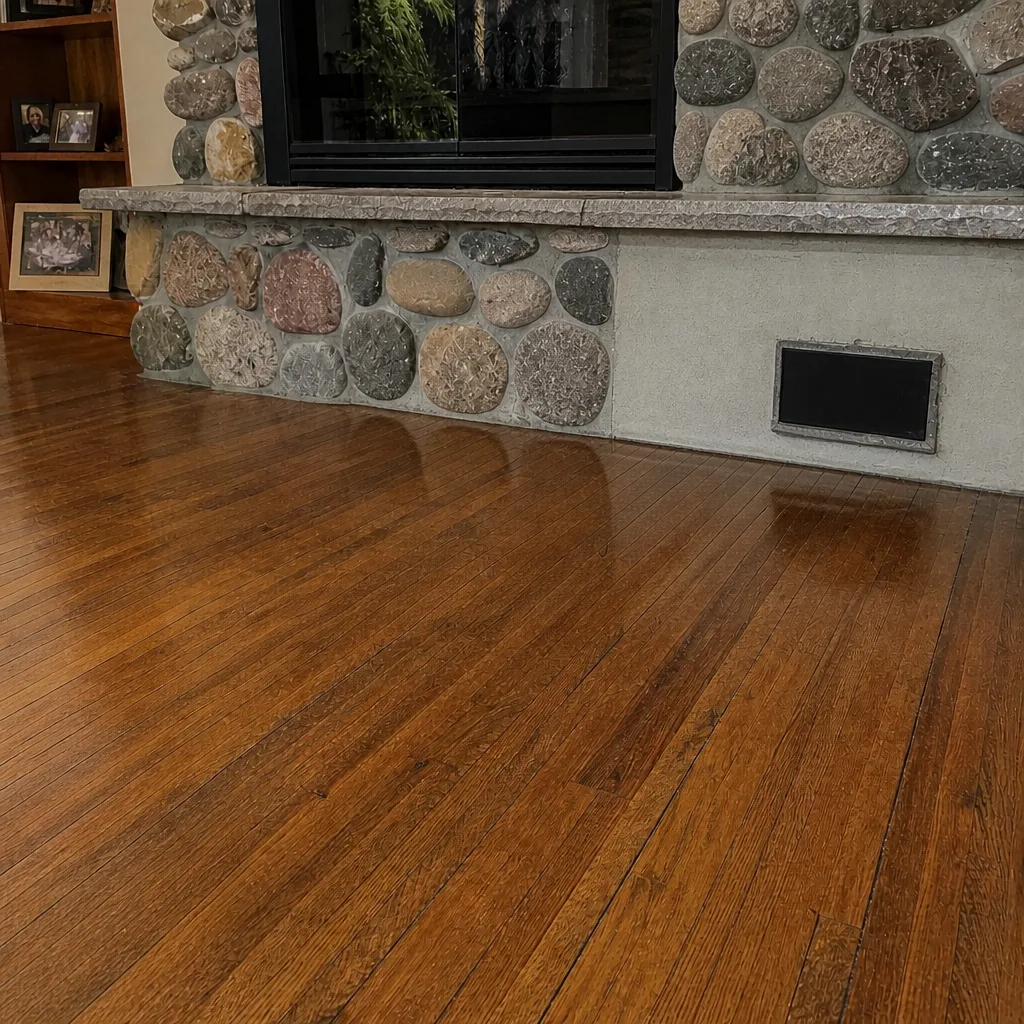
Whole-system duct and dryer vent check with before-and-after photos - you see exactly what came out of your vents
That "$99 whole-house special" is a bait ad - the real number appears once they are in your hallway, or the "clean" is a shop-vac at the register. We photograph the inside of your ducts before and after instead.
Air Duct Cleaning Maintenance Schedule: What to Do and When
The 3-to-5-year cleaning interval that gets quoted everywhere was never meant to be a universal rule. It’s a baseline for a household with no pets, no smokers, standard filters, and no wildfire smoke seasons. Boise City households qualify for none of those assumptions. Between spring construction dust, summer smoke rolling down the valley, fall harvest grit, and winter months where the furnace runs hard for weeks, the buildup in a Treasure Valley duct system follows a calendar the generic advice ignores. This guide replaces “every few years” with something you can actually use: a month-by-month schedule, a set of household multipliers that adjust it, and a logging habit that tells you when cleaning is genuinely due rather than when a salesperson says it is.
Quick Answer
For most Boise City homes, plan on professional air duct cleaning every 3 to 5 years as a baseline, then shorten that interval based on your household: pets, allergy sufferers, recent renovation, and smoke intrusion events can pull it down to every 2 to 3 years or, after a bad wildfire season, sooner. Replace standard 1-inch filters monthly during heating season and every 2 to 3 months otherwise. If your system uses a 4- or 5-inch Aprilaire or Honeywell media filter, replace the media annually. Inspect and log what you find at every filter change.
Styles & brands we work with
- Whole-home duct cleaning
- Dryer vent cleaning
- Camera inspection
- Sanitizing & deodorizing
Table of Contents
- A Month-by-Month Boise City Air Quality Calendar
- Household Multipliers: How to Adjust the Baseline
- What to Inspect and Log at Each Filter Change
- Aprilaire and Honeywell Media Filters vs. Standard 1-Inch Filters
- Post-Event Triggers That Override Any Calendar
- What a Professional Cleaning Visit Actually Involves
- Dryer Vent Cleaning: A Separate Schedule That Matters More
- When to Stop Waiting for the Calendar
A Month-by-Month Boise City Air Quality Calendar
Duct contamination in Boise City doesn’t accumulate at a steady rate. It spikes during a handful of predictable windows each year, and knowing those windows changes how you plan maintenance. Here’s how the year actually breaks down for a forced-air system in this valley.
March through May: construction and soil dust. Spring is when remodels, additions, and new construction kick off across the valley. Fine drywall dust and sawdust are light enough to stay airborne for hours, and a running air handler pulls them straight into the return side of your system. If there’s any construction on your street or inside your house, the filter change interval in this window should be roughly half your normal one.
June through September: wildfire smoke season. This is the single biggest variable for Boise City duct systems. On heavy smoke days, windows stay shut and the HVAC system runs continuously, recirculating whatever the filter doesn’t catch. Smoke particles are small enough that a low-MERV filter passes a lot of them. When smoke settles into a home’s ductwork, the musty, acrid smell from the vents tends to persist long after the air outside clears.
September through October: harvest and yard waste dust. Combine dust and yard cleanup debris are coarse and heavy, so they settle faster than construction dust but still load filters quickly.
November through February: runtime spike. The furnace runs far more hours per day, which means dust that would otherwise sit in the ducts gets picked up and pushed through the filter. Cold, dry air also increases static electricity, which makes light dust cling to duct walls.
The practical takeaway: schedule a duct inspection in late spring, before smoke season, and again in late fall, after it. Those two checkpoints catch the worst of the year’s accumulation.
Household Multipliers: How to Adjust the Baseline
The 3-to-5-year baseline is a starting number, not a verdict. Apply these modifiers and you’ll land on something closer to your actual interval. In our experience, most Boise City homes fall into at least two of these categories.
- Pets: One or more shedding pets (dogs or cats) typically pulls the interval to every 2 to 3 years. Dander and hair load the return side of a system faster than almost anything else, and pet hair collects on duct walls in visible clumps.
- Allergy or asthma sufferers in the house: Drop to every 2 to 3 years, and prioritize a higher-MERV filter in the meantime. Cleaning removes the settled reservoir; filtration handles what’s still moving.
- Recent renovation: A single renovation can justify a cleaning on its own, regardless of when the last one happened. Drywall dust and construction debris are the most common cause of an “unexpectedly dirty” system we see.
- Smokers in the household: Shorten the interval by roughly a third. Smoke residue adheres to duct surfaces and keeps contributing to odor long after the source stops.
- Filter grade: A properly sealed MERV 11 to 13 media filter meaningfully slows duct contamination. A cheap 1-inch fiberglass filter running past its change date accelerates it. See the filter section below.
- Long vacancy or a newly purchased home: Treat the system as unknown until inspected. You have no record of what the previous occupants did, and this is one of the most common reasons people book a first cleaning.
Stack two or more of those and you’re often looking at every 2 years, not every 5. That’s not a sales pitch; it’s just how the math works when you have a dog, a kid with allergies, and a kitchen remodel in the same decade.
What to Inspect and Log at Each Filter Change
The single most useful thing you can do for your duct system costs nothing: keep a log. A written record of what you observe at each filter change lets you see contamination building before it becomes a problem, and it gives you something concrete to compare against a cleaning quote that feels premature.
Here’s what to record each time you change the filter:
- Date and filter type. Note the MERV rating and the size. If you switch grades, log it; it changes how fast the next filter loads.
- Filter appearance. Note whether it’s evenly gray, loaded on one side, or coated in a specific color (drywall dust looks different from pet hair or soot).
- Dust on the return grille. A grille that accumulates visible dust within a week of cleaning is a strong signal of a dirty duct run or a leaking return.
- Vent airflow. A hand near the register tells you more than you’d think. Weak flow on one branch points to a blockage or a separated duct, not just dirt.
- Odor. Any musty, dusty, or smoky smell from the vents is worth a note. Odor is often the first sign of moisture or organic growth in the system.
- Visible debris at the register boot. Shine a light into the boot after removing the grille. Debris sitting there means the run needs attention.
- Any recent events. Smoke days, a water leak, a rodent sighting, or HVAC work done since the last entry.
Three or four entries in, a pattern emerges. You’ll know whether your system loads slowly or quickly, and whether a cleaning quote is based on evidence or just a calendar reminder the company mailed out.
Aprilaire and Honeywell Media Filters vs. Standard 1-Inch Filters
Filter choice has a direct effect on how often your ducts need cleaning. A 1-inch filter is a low-capacity trap; a 4- or 5-inch media filter holds far more dust before it loads and runs at a higher MERV rating, which means less gets past it into the ductwork.
- Standard 1-inch filters: Replace monthly during heating season (roughly November through February), every 2 to 3 months the rest of the year. If you have pets or a smoker, treat every month as the default.
- Aprilaire media filters (4- or 5-inch): Replace the media annually, typically in the fall before heating season. The larger surface area and deeper pleat hold far more dust, and the sealed cabinet reduces bypass around the filter.
- Honeywell media filters (4- or 5-inch): Same annual cadence, with the same sealed-cabinet advantage. Check the cabinet seal at each change; a warped or gapped cabinet door lets unfiltered air slip past, which quietly undermines the whole point.
The difference in duct contamination rate is noticeable. A home running a properly sealed Aprilaire or Honeywell media filter with annual replacements will often stay clean well beyond the 3-to-5-year baseline. A home running a 1-inch filter that gets changed whenever someone remembers is a different story entirely.
A word of caution on the upgrade path: don’t just drop a high-MERV filter into a system designed for a 1-inch fiberglass filter. The added resistance can starve airflow and put strain on the blower. A media filter cabinet installed properly is the right approach, and it’s worth having an HVAC technician confirm your system can handle the pressure drop.
Post-Event Triggers That Override Any Calendar
A calendar is a useful default, but some events jump the queue. Any one of these should prompt an inspection regardless of when your last cleaning happened.
- A significant smoke intrusion event. If wildfire smoke got into the house in a meaningful way (visible haze indoors, a lingering smoke smell for days, or an HVAC system running through the worst of it), inspect within a few weeks.
- A water leak near ductwork. Water in or near a duct run is a genuine concern. Moisture plus dust is the setup for biological growth, and it also degrades flex duct and duct board. Get it inspected and dried promptly.
- Rodent activity signs. Droppings, gnaw marks on flex duct, or scratching sounds in the walls. Rodents contaminate duct interiors and can chew through flex connections, which also creates a leak path.
- An HVAC system replacement. New equipment with old ductwork is a mismatch. Have the ducts inspected and cleaned as part of the install so the new system isn’t pushing air through years of accumulated debris.
- Renovation dust. Drywall, sawdust, and insulation dust during a remodel. Seal returns during the work and inspect after.
- A new home purchase. You inherited an unknown system. Inspect before assuming anything about its history.
Some of these can be handled with a cleaning. Some, like a damaged flex run or a duct that’s come apart at a joint, need actual repair, and it’s frustrating to find that out after a cleaning crew has already packed up. That’s why our visits cover Duct Cleaning Boise City work and duct repair in the same scope, so the job doesn’t stall waiting on a second company. We clean it, and we can fix it.
What a Professional Cleaning Visit Actually Involves
Cleaning method matters as much as cleaning frequency. A shop vac and a brush will not move the volume of debris a proper system does, and a “blow-and-go” approach can actually make things worse by loosening contamination without capturing it.
Here’s the general sequence a proper cleaning follows:
- Inspection and access. The technician opens access points at the air handler plenum, main trunk, and branch runs, and inspects with a camera. This is where conditions get documented before anything gets moved.
- Source capture setup. A HEPA-rated vacuum is connected to the main trunk. This is the critical step. The vacuum holds negative pressure on the entire system so that loosened debris travels to the collection unit instead of into the living space. We use Nikro equipment for this stage specifically because it’s HEPA-rated.
- Agitation of duct surfaces. A rotating brush and air whip run through each branch and trunk to break debris off the duct walls. Rotobrush equipment handles this step: agitation plus vacuum working together, not one without the other.
- Register and grille cleaning. Supply and return grilles come off and get cleaned separately; they collect a surprising amount of dust on their own.
- Air handler and coil check. The blower compartment and evaporator coil get inspected. Heavy buildup there is worth flagging even if it’s outside the strict duct scope.
- Before-and-after documentation. Photos at each access point, taken before and after cleaning. This is your proof the work was done, and it’s the single best defense against the industry’s bait-and-switch reputation.
For homes with elevated contamination, particularly mold concerns or heavy smoke residue, Abatement Technologies containment equipment lets the work be done with negative air pressure and proper filtration, so contamination stays contained during the process rather than spreading through the house.
Dryer Vent Cleaning: A Separate Schedule That Matters More
Dryer vent cleaning has its own schedule, and it’s a shorter one than duct cleaning for a simple reason: lint is highly flammable, and the U.S. Fire Administration cites clogged dryer vents as a leading cause of residential house fires. This isn’t a routine appointment you can push back indefinitely.
For a typical household, plan on dryer vent cleaning annually. Shorten to every 6 to 9 months if any of the following apply:
- A large household doing several loads a week
- Pets that shed heavily (lint traps catch some hair, but not all)
- A long vent run or a vent with multiple elbows; every bend slows airflow and traps lint
- A vent that exhausts to the roof rather than a side wall
- Clothes that take longer than usual to dry, or a dryer that feels hot to the touch on top
While we’re in the vent, it’s worth checking the exterior termination. A stuck flapper or a screen clogged with lint reduces airflow regardless of how clean the interior run is.
Common Mistakes to Avoid
- Treating 3-to-5 years as a fixed rule. It’s a baseline for a no-pets, no-smokers, no-renovation household. If you have a dog, a smoker, or a recent remodel, the interval is shorter. Using the generic number as gospel means waiting too long.
- Upgrading to a high-MERV filter without checking airflow. A MERV 13 filter jammed into a cabinet designed for a 1-inch fiberglass filter can reduce airflow and strain the blower. The increased filtration is not worth the equipment damage.
- Running a cheap 1-inch filter past its change date through smoke season. Boise City’s summer smoke windows are when the filter is working hardest. Skipping a change in July or August is when contamination gets past the filter and into the ducts.
- Hiring a cleaner who quotes per vent without inspecting. A per-vent price on the phone, with no look at the system, is the bait-and-switch pattern that gives this industry a bad name. Whole-system, one flat price agreed after inspection is the standard to expect.
- Assuming the dryer vent will be fine. The dryer vent is the highest-consequence item on this entire schedule. It gets overlooked because it doesn’t smell or make noise, and that’s exactly why it goes too long.
- Skipping the before-and-after photos. If a crew won’t document what they found and what they cleaned, you have no way to verify the work was done. Ask for photos of your own ducts at each access point.
- Not sealing returns during a remodel. Fine drywall dust migrates into the return side faster than you’d expect. A plastic sheet and tape over the returns during the work saves a cleaning later.
When to Stop Waiting for the Calendar
A calendar is a helpful default, but several conditions mean you should get an inspection rather than wait for the next scheduled interval. Visible dust at the registers within a week of cleaning, a musty or smoky smell from the vents, weak airflow on a specific branch, a recent water leak near the ductwork, signs of rodent activity, a renovation just completed, or a home you’ve just moved into with no service history. Any one of those is reason enough to get eyes on the system. For allergy and asthma sufferers, waiting out the calendar is often a waste of an uncomfortable season.
Duct Cleaning Boise City offers free estimates in Boise City. The price is set per job by a written estimate, given after inspection, with one flat price per system rather than per-vent pricing. Call (866) 552-6419. We answer 24/7. Fast dispatch from 7am to 7pm, Sunday through Friday.
Frequently Asked Questions
Plan on every 3 to 5 years as a baseline, adjusted down to every 2 to 3 years for homes with pets, allergy sufferers, smokers, or recent renovation work, and inspect again after any significant wildfire smoke event. Boise City’s summer smoke season and winter furnace runtime both accelerate accumulation compared to mild climates. Call (866) 552-6419 for an exact quote – estimates are free.
Professional air duct cleaning is priced per system, not per vent, so the range depends on the size and layout of your ductwork, the number of access points, and the level of contamination found during inspection. We give a single flat price per system in a written estimate after looking at the actual system, before any work starts. Call (866) 552-6419 for an exact quote – estimates are free.
Cheap upfront quotes are typically per-vent numbers that balloon once the technician is on site and finds “extra” work, or they’re for a blow-and-go job that loosens debris without a proper HEPA vacuum to capture it. A legitimate price is one flat number per system, agreed before work begins, with before-and-after photos at each access point. Call (866) 552-6419 for an exact quote – estimates are free.
Ask for before-and-after photos at each access point, taken during the visit. That documentation is the standard we work to, and it’s specifically what holds up the industry’s reputation. A crew that won’t photograph what they found and what they cleaned has given you no way to verify. Call (866) 552-6419 for an exact quote – estimates are free.
After. Seal the supply and return registers during the work so drywall dust doesn’t get pulled into the system in the first place, then inspect and clean once construction is finished. Cleaning before the renovation wastes the effort. Call (866) 552-6419 for an exact quote – estimates are free.
Yes, within reason, if the filter is properly sized for the system and sealed in its cabinet. A 4- or 5-inch Aprilaire or Honeywell media filter changed annually slows duct contamination compared with a 1-inch filter that’s overdue for a change. The filter has to be right for the system, though. Going too high on MERV with a restrictive cabinet can reduce airflow. Call (866) 552-6419 for an exact quote – estimates are free.
The Bottom Line
Treat the 3-to-5-year interval as a starting number, not a rule. Adjust it for your household: pets, allergy sufferers, smokers, and recent renovation each pull it shorter. Run the right filter for your system, change standard 1-inch filters monthly through heating season and Aprilaire or Honeywell media filters annually, and log what you find at each change so you know the difference between a genuine need and a sales call. Follow the Boise City calendar: inspect before smoke season and after it. Clean the dryer vent annually, because that’s the one item with a real fire risk attached. And when an event overrides the calendar, get an inspection rather than waiting it out.
Professional-grade equipment is what separates a real cleaning from a vague promise. Our technicians use Rotobrush agitation and Nikro HEPA extraction, and carry Abatement Technologies containment equipment for elevated contamination situations. They have up to 8 years of experience with forced-air systems in this valley.
Call (866) 552-6419 for a free estimate. We answer 24/7. Fast dispatch from 7am to 7pm, Sunday through Friday. One flat price per system, agreed in writing before work starts, with before-and-after photos of your own ducts.
Written by the team at Duct Cleaning Boise City.
See the difference
 Before
 After
 Before
 After
 Before
 After