
Last updated November 16, 2026
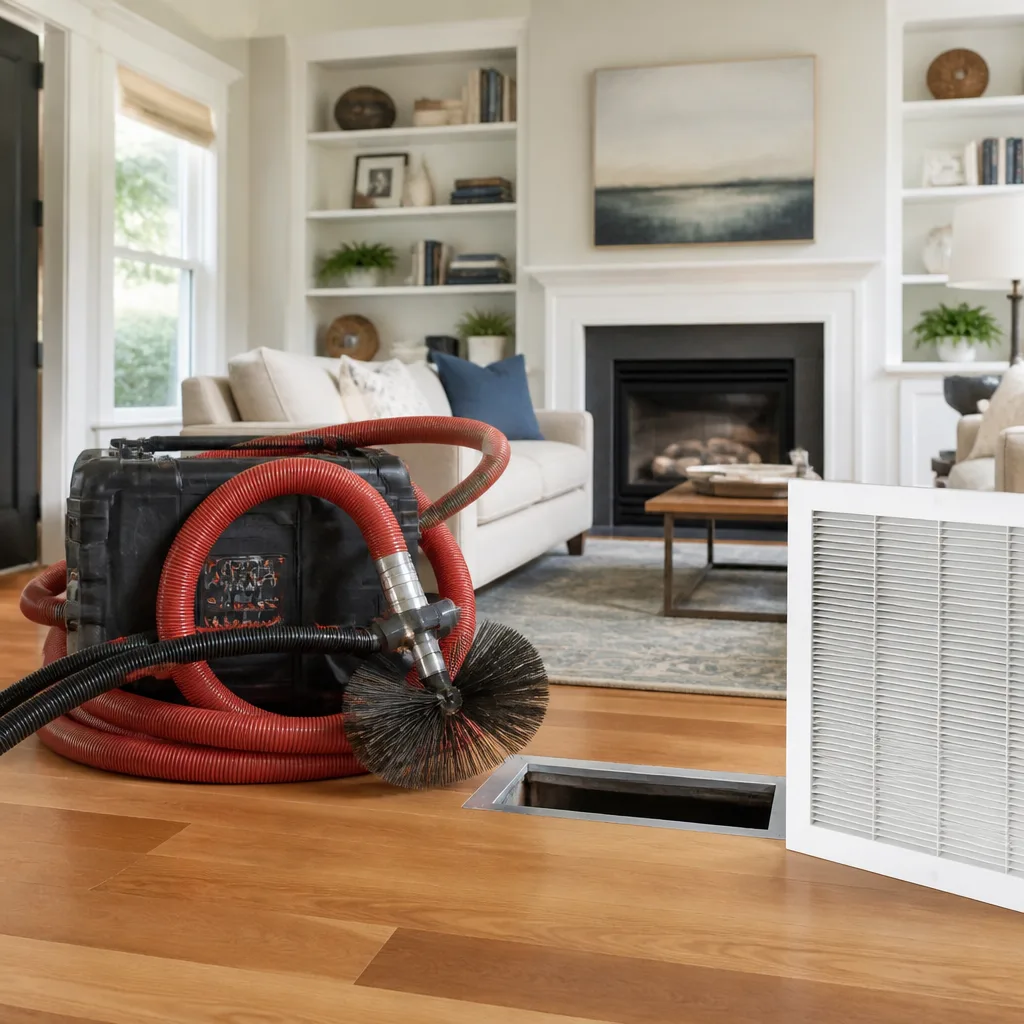 Whole-home duct cleaning
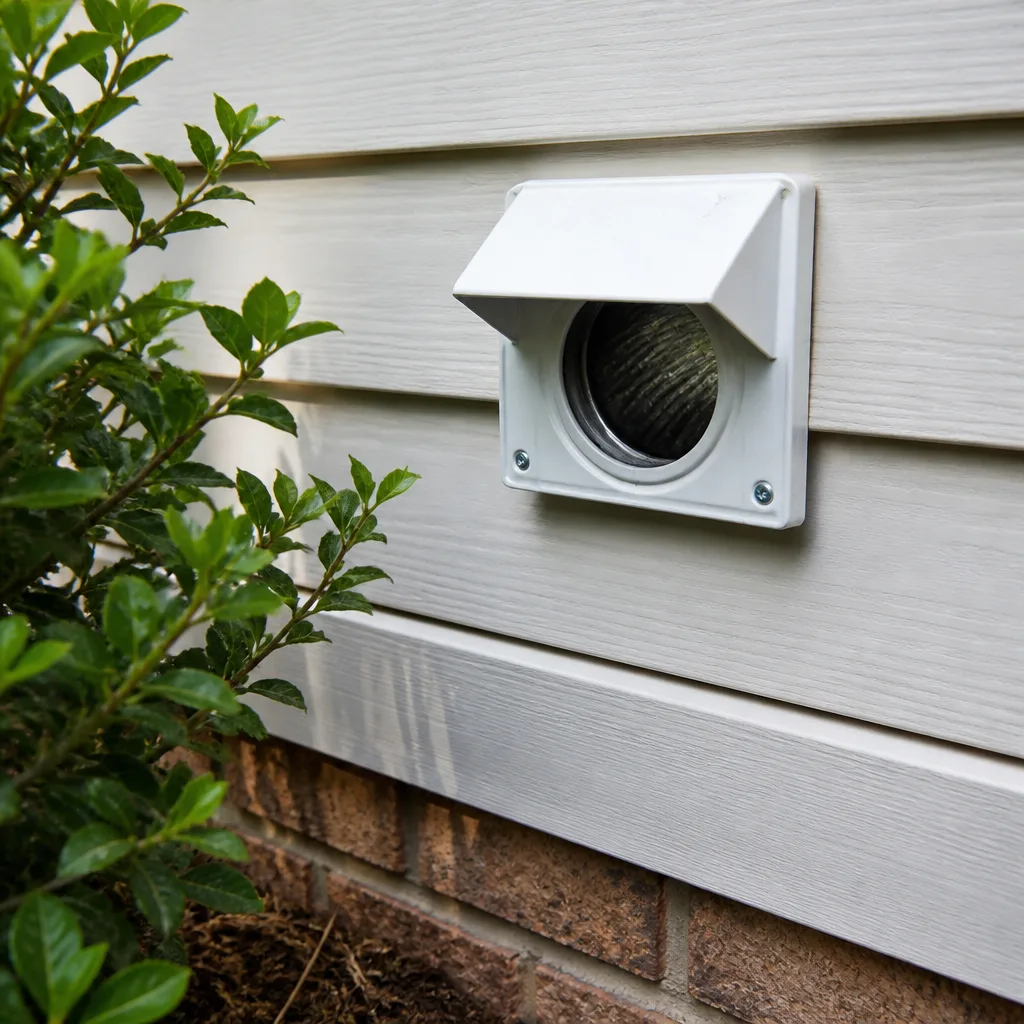 Dryer vent cleaning
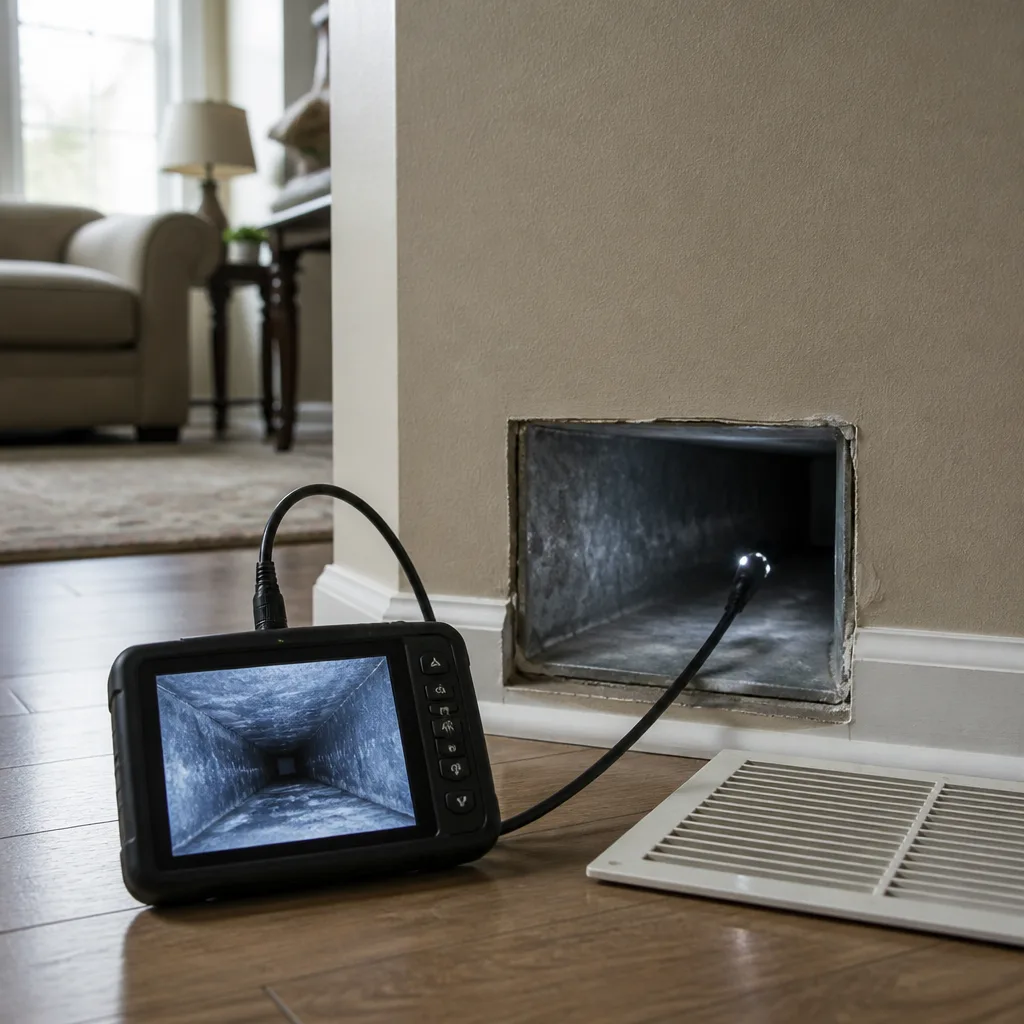 Camera inspection
 Sanitizing & deodorizing
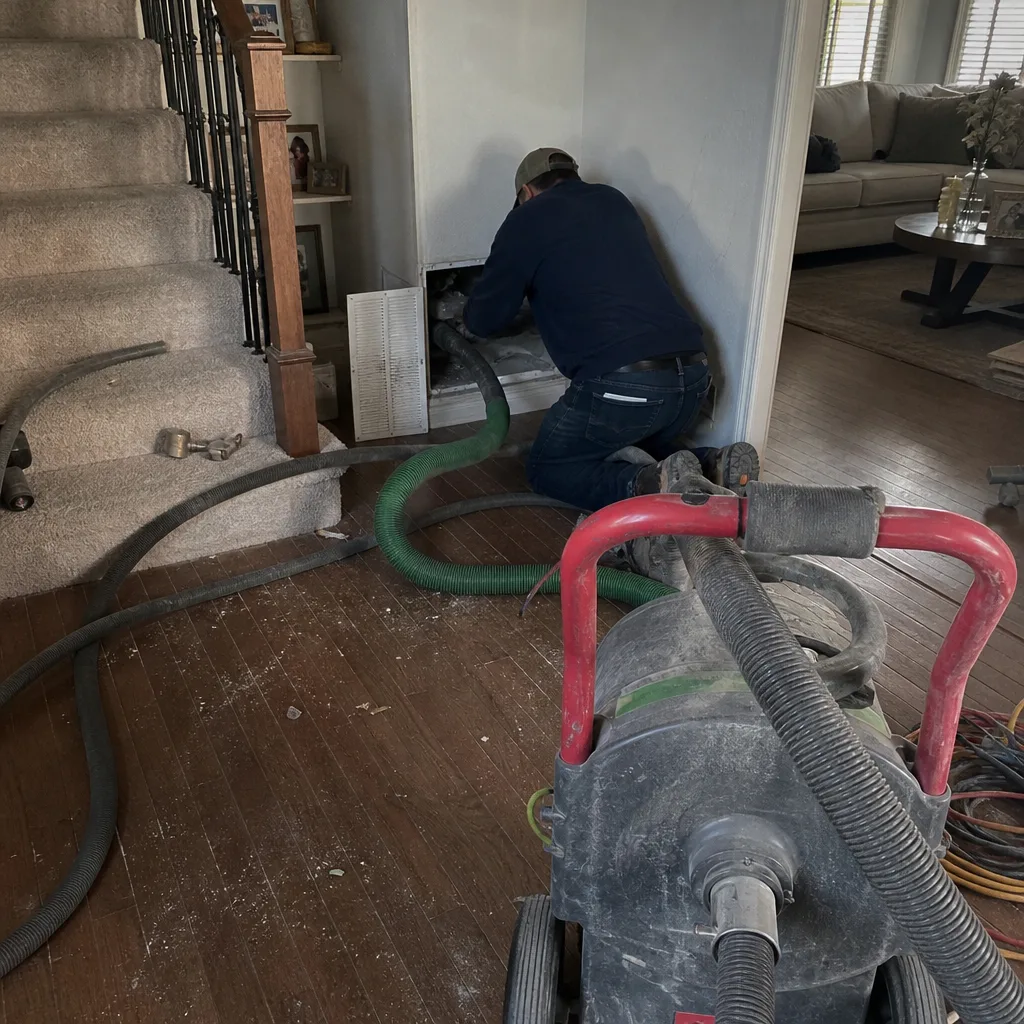
Whole-system duct and dryer vent check with before-and-after photos - you see exactly what came out of your vents
That "$99 whole-house special" is a bait ad - the real number appears once they are in your hallway, or the "clean" is a shop-vac at the register. We photograph the inside of your ducts before and after instead.
Air Duct Cleaning Warning Signs: A Boise City Homeowner’s Reference Guide
Most homeowners judge their ductwork by what they can see on the grille, and that is exactly where the diagnostics go wrong. The dust sitting on the grille is the least useful signal in the system. The evidence that actually points to a failing duct or a contaminated plenum is usually something you hear, smell, or feel as an unevenness in the room rather than see. In this guide we walk through the acoustic, thermal, and olfactory warning signs a trained technician reads in a Boise City home, what each one points to, and when cleaning alone will not solve the problem.
Quick Answer
The main warning signs of ductwork that needs attention are recurring musty or burning smells that appear when the system starts, rooms that never heat or cool like the rest of the house, rattling or whistling at registers, and dust that returns to surfaces within days of cleaning. Visible dust on the grille matters less than what sits six inches back in the boot collar, and smells plus airflow asymmetry together are the strongest indicators that contamination or a duct fault is present in a Boise City system.
Styles & brands we work with
- Whole-home duct cleaning
- Dryer vent cleaning
- Camera inspection
- Sanitizing & deodorizing
Table of Contents
- What Your Ducts Are Telling You Through Smell
- Airflow Asymmetry: Why Some Rooms Never Feel Right
- Register Dust Versus Boot Collar Dust
- Acoustic Warning Signs: Rattles, Whistles, and Hum
- When Cleaning Is Not Enough
- Dryer Vent Warning Signs Most Homeowners Miss
- A Step-by-Step Homeowner Inspection
- Why Boise City Homes Show These Signs Differently
What Your Ducts Are Telling You Through Smell
A musty smell that appears only when the heat first kicks on is not random. In almost every case we look at, that odor traces to microbial growth on the heat exchanger surface or in the first few feet of the supply plenum, and it gets worse with every cycle the system runs. Because the plenum is the warmest, dampest part of the system, it is the first place growth establishes. Once present, the blower pushes it through every branch of the duct run in the house.
Different odors point to different problems and different locations. Reading the smell correctly is the difference between a cleaning job and a remediation job.
- Musty or earthy: microbial growth, most often at the plenum, the cooling coil, or the insulated interior of flex duct that has absorbed moisture.
- Burning or hot dust: usually dust burning off the heat exchanger on first use of the season, but if it persists past the first few cycles it can indicate an airflow restriction or a heat exchanger problem that needs a technician.
- Chemical or solvent: off-gassing from new materials, adhesives, or a failing component. This one warrants a call rather than a wait.
- Dry, dusty, “dirty sock” smell: a general contamination load in the return side, often from pet dander and renovation dust that has settled into the duct floor.
If the smell is localized to one or two rooms, the contamination is likely downstream of the takeoff for those branches. If it is house-wide, the problem lives in the main trunk, the plenum, or the return system. That distinction shapes the entire scope of the work, and it is the reason a technician should walk the system before quoting anything. Duct Cleaning Boise City offers free estimates so this walkthrough happens before you commit. For the full scope of what cleaning actually involves, see our air duct cleaning page.
Airflow Asymmetry: Why Some Rooms Never Feel Right
Every house has a room that runs hot in summer and cold in winter while the rest feels fine. Homeowners usually write this off as a design quirk. Sometimes it is. Often it is a specific physical obstruction or disconnection that a technician can locate and address, and it is one of the most under-read signs in the whole system.
Airflow asymmetry maps to four common causes. Knowing which one you have determines whether cleaning, repair, or a balancing adjustment is the answer.
- Partial obstruction in a branch run. A collapsed section of flex duct, a nest, or heavy debris settled at a low point blocks flow to one zone. Cleaning can restore it.
- A disconnected joint. The duct has come apart at a boot collar or a takeoff. Air pours into the wall or attic instead of the room. This needs repair, and our Duct Cleaning Boise City team handles duct repair in the same visit as cleaning.
- A closed or blocked damper. A balancing damper in the trunk is shut or partially shut, starving downstream branches. This is a quick fix once identified.
- Undersized return or a restricted filter. A so-called starved system affects the whole house, but the furthest rooms feel it first. Check the filter and the return grille for blockage before assuming ductwork.
The tell for obstruction versus disconnection is straightforward. A blocked duct still delivers some air, just less. A disconnected duct often delivers almost nothing, and you may feel a slight draft at the wall or ceiling where the air is escaping. Both are worth investigating, because either one wastes the energy you are paying for every month in Boise City.
Register Dust Versus Boot Collar Dust
Surface dust on a return grille is the least concerning visible sign in the system. Grilles collect dust because air passes over them, and a dirty grille can simply be wiped. What matters far more is what accumulates six inches behind the grille, inside the boot collar and the first few feet of the branch duct, where a homeowner rarely looks.
When we pull a register to inspect deeper, we are looking for three things:
- Loose debris depth. A thin film is normal. A visible layer of settled dust, debris, or pet hair on the duct floor is a cleaning indicator.
- Moisture or staining. Discoloration on the duct interior suggests condensation is forming, which invites microbial growth and signals a bigger problem than simple dust.
- Material condition. Torn or delaminated flex duct lining means particles are entering the airstream, and cleaning alone will not fix a compromised duct.
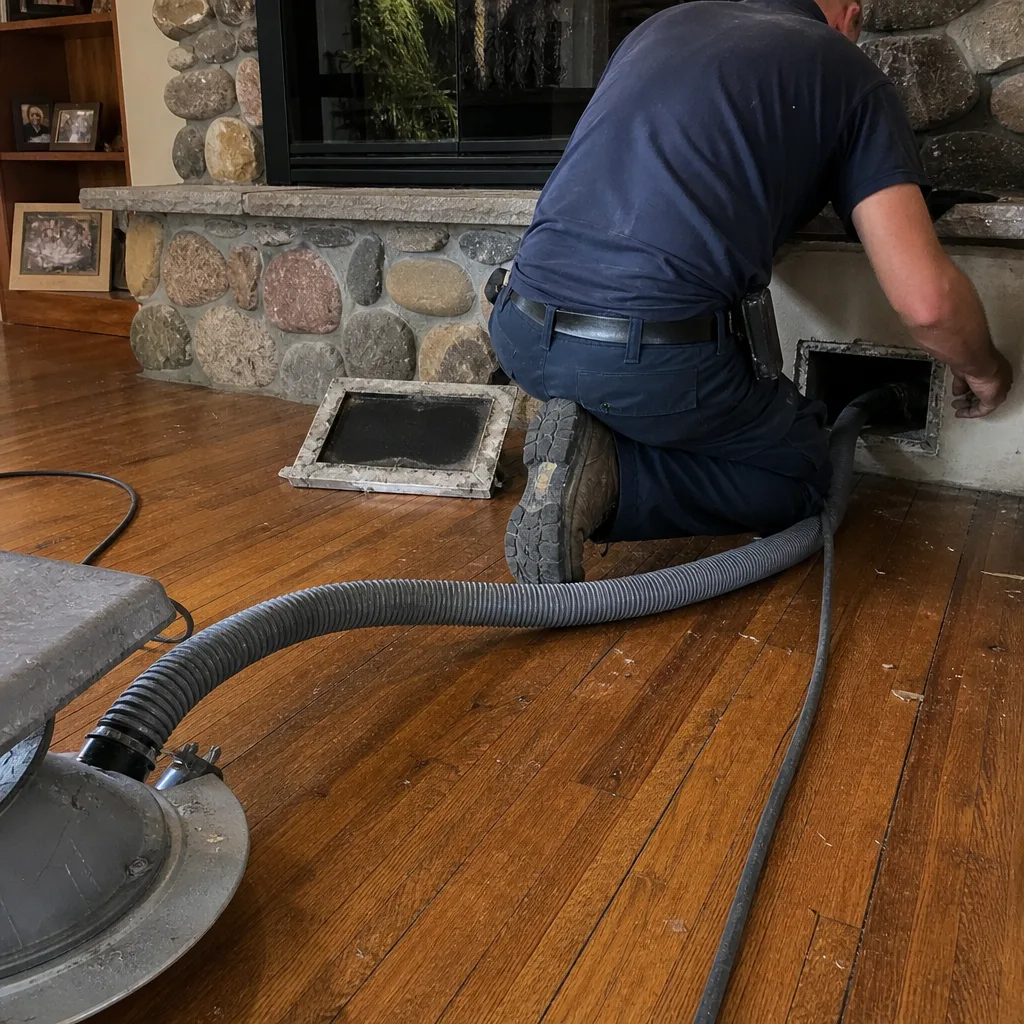
The reason surface dust misleads is simple. Air velocity is highest at the boot collar and taper, so it keeps the visible grille relatively clear while depositing the heavier fraction deeper along the run. A homeowner looking at the room sees a clean grille and assumes a clean system. A trained eye looks at the collar and the plenum. That is where the actual contamination load lives, and it is why we carry Nikro HEPA-rated extraction equipment rather than a consumer-grade vacuum. The right tools pull material out of those deep interior surfaces instead of stirring it back into your air.
Acoustic Warning Signs: Rattles, Whistles, and Hum
Sound is one of the most reliable diagnostics in ductwork, and almost nobody listens for it. Three distinct sounds indicate three distinct categories of problem.
Rattling points to loose ductwork, a failing joint, or flex duct that has lost tension and is vibrating against framing. A rattle is often the first sign a connection is working loose, and catching it early prevents a full disconnection. A rattle localized to one register usually means that branch is the culprit; a whole-house rattle often means the air handler or main trunk needs attention.
Whistling indicates a restriction. Air forced through a reduced opening – a partially closed damper, a collapsed section, or an undersized branch – whistles at higher velocity. If a register whistles when the system starts and quiets once it has been running, the restriction is likely upstream of that register.
A low-frequency hum that was not there before usually points to an air handler issue, a loose blower, or a duct run that has lost support and is now resonating with the system. Hum is a signal for a technician, because diagnosing it may mean looking inside the air handler rather than the duct run.
In our experience, homeowners notice the rattle and ignore the whistle. The whistle is usually the one that matters, because it points to a restriction that is costing airflow in one branch every cycle. A free estimate lets a technician trace the sound to its source rather than guess.
When Cleaning Is Not Enough
Not every duct problem is a cleaning problem, and telling a homeowner a cleaning will solve everything is how the industry earned its reputation for disappointments. There are clear cases where cleaning is the wrong first step and remediation or repair is the correct one.
Cleaning is insufficient in these situations:
- Confirmed or suspected mold growth. Cleaning a mold-contaminated duct without testing and containment can spread spores instead of removing the problem. This requires negative-air containment, which is where Abatement Technologies equipment comes in.
- Physically compromised duct material. Torn flex lining, crushed sections, or sagging runs need repair or replacement, not cleaning. Our team can address this because duct repair is part of what we do.
- Persistent moisture. If condensation is forming inside the ductwork, cleaning will not keep the system clean for long until the moisture source is addressed.
- Heavily sooted or contaminated returns from a specific event, where the contamination load exceeds what standard cleaning can resolve safely.
The right sequence is inspection first, then a scope of work that matches what the inspection finds. That is why our process starts with a walk-through and ends with before-and-after photos of your own ducts, so you can see what changed rather than take our word for it.
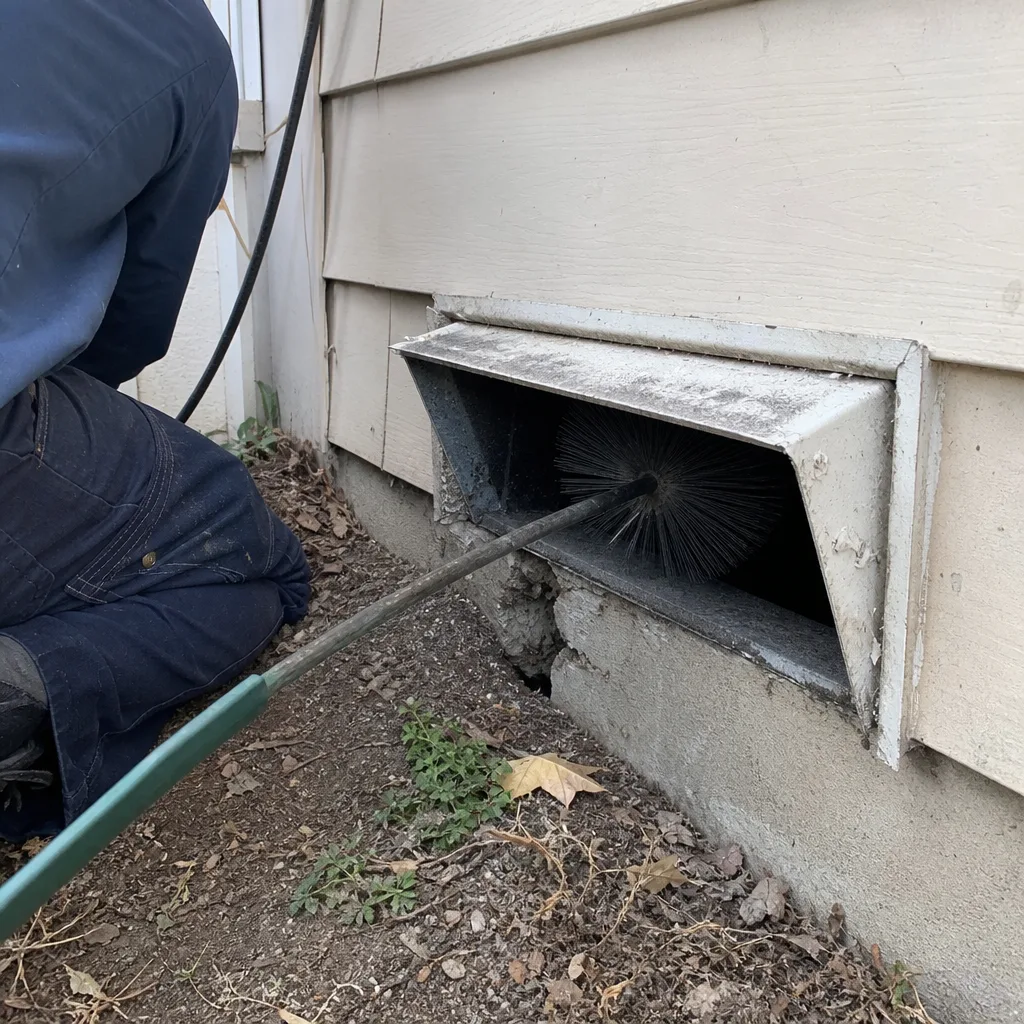
Dryer Vent Warning Signs Most Homeowners Miss
A clogged dryer vent is a fire risk waiting to be cleared, and it is one of the most common hazards we find when we inspect a Boise City home. The U.S. Fire Administration cites dryer vent lint buildup as a leading cause of residential house fires. The signs are easy to miss because they look like ordinary appliance behavior.
- Clothes take longer than one cycle to dry, and the problem slowly worsens.
- The dryer feels hot to the touch on the outside of the cabinet.
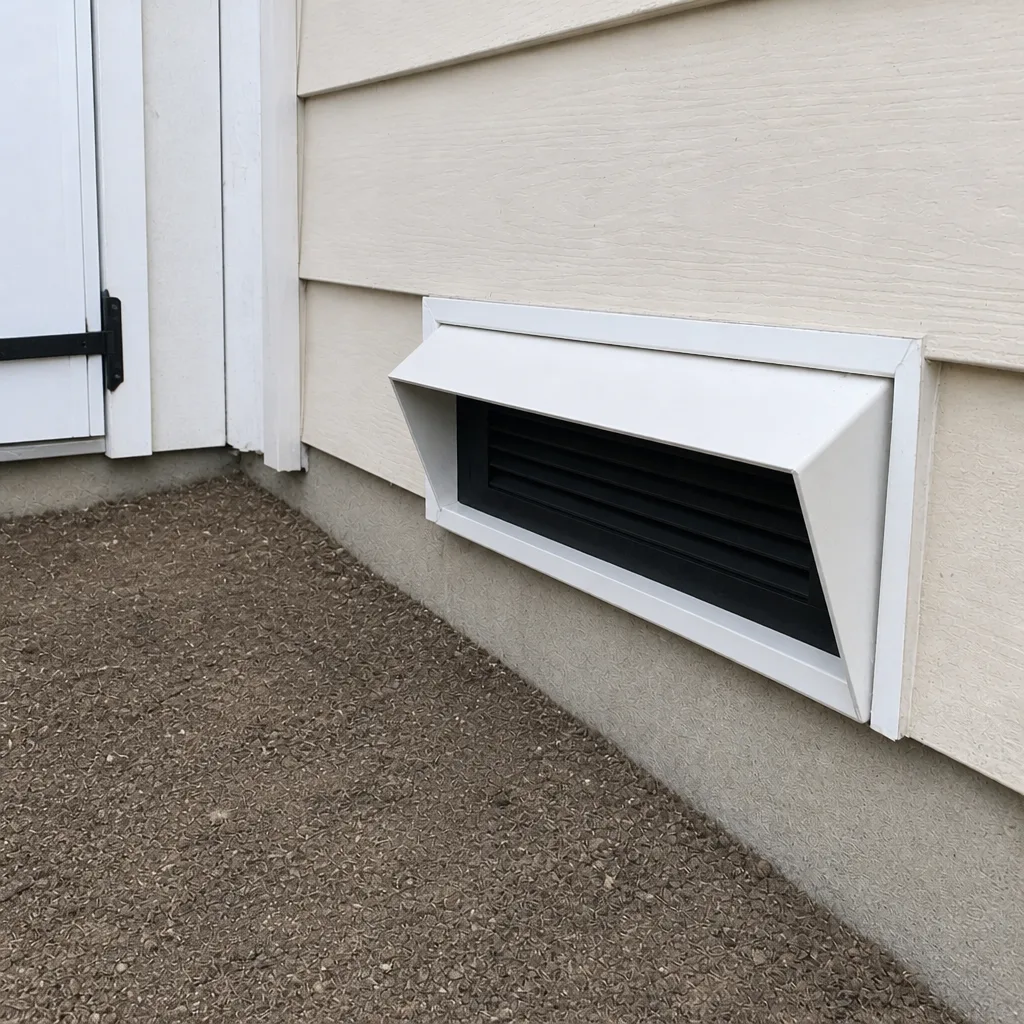
- The outside vent flap does not open fully when the dryer runs, or it does not open at all.
- Lint collects around the dryer, behind it, or on the floor near the unit.
- A burning or scorched smell during a drying cycle.
Any of these is reason to have the vent checked. Our dryer vent cleaning service is a standalone job, so it can be booked on its own or combined with a duct cleaning visit. If you are not sure whether the vent is the issue, the safer bet is to have it looked at rather than to run the dryer again.
A Step-by-Step Homeowner Inspection
You can do a useful first-pass inspection yourself, and it will help a technician scope the job faster. None of these steps involve opening the ductwork or getting into the air handler; leave that to a trained professional. Here is the sequence.
- Note the smells and when they appear. Write down which rooms smell, and whether the smell shows up only on startup. This is the single most useful piece of information you can bring to a call.
- Test airflow at each register. Hold a thin piece of tissue against each grille and compare how strongly it moves. Note the weak rooms.
- Listen at startup. Walk the house and note which registers rattle, whistle, or hum.
- Wipe and re-check. Wipe one return grille and check it again a few days later. Dust that returns quickly points to a source elsewhere in the system.
- Check the filter. A clogged filter can imitate duct problems by restricting airflow. Replace it and see if symptoms change.
- Check the dryer vent flap outside the house while the dryer runs. It should open fully and stay open.
If several of these turn up problems, that is your cue to call. Do not open the air handler cabinet or cut into ductwork to investigate further, because those areas carry real risk of injury or system damage.
Why Boise City Homes Show These Signs Differently
The Treasure Valley’s dry summers and cold winters put ductwork through a wide swing every year, and that affects which warning signs show up first. Homes here often run the furnace hard through the coldest months and then switch to cooling in summer, and that back-and-forth cycle is what stresses duct joints, dry flex material, and connections over time.
The temperature swing also matters for moisture. Cold winter air and heated living space create condensation risk at any point where a cold surface meets warm, moist interior air, and that risk is a common precursor to the musty smell we described earlier. Homes near the river corridor and older neighborhoods around downtown Boise City tend to have duct systems that have gone through many seasonal cycles without a cleaning, which is where debris depth and joint wear show up together.
We have also seen that new owners of older homes in Boise City often inherit a system of unknown history, and the absence of records is itself a reason to inspect. When you do not know when the ducts were last cleaned, or whether the previous owner ever cleaned them, the first step is a professional look rather than a guess. That inspection is free.
Common Mistakes to Avoid
- Judging the system by the grille alone. A clean-looking grille tells you nothing about what sits in the boot collar or the plenum. Have the interior checked.
- Running the system after a musty smell shows up. Every cycle spreads the source further through the branch runs. Address the smell before you keep running the furnace.
- Trusting a quote given before anyone looks inside the ducts. A per-vent price quoted over the phone is a guess. Ask for a walkthrough and a written scope.
- Assuming the cheapest quote is the cheapest job. A price that sounds too good usually means minimal equipment and a quick surface pass. Ask what tools will be used and whether photos will be provided.
- Ignoring the whistle because the rattle is louder. The whistle points to a restriction that costs airflow every cycle, and it is often the more important issue.
- Skipping the dryer vent because it is not duct cleaning. It is the fire risk in the house, and it deserves the same attention the ducts get.
- Accepting a cleaning when the ducts need repair. Torn flex or a disconnected joint needs repair first. Confirm the technician can fix what the cleaning uncovers.
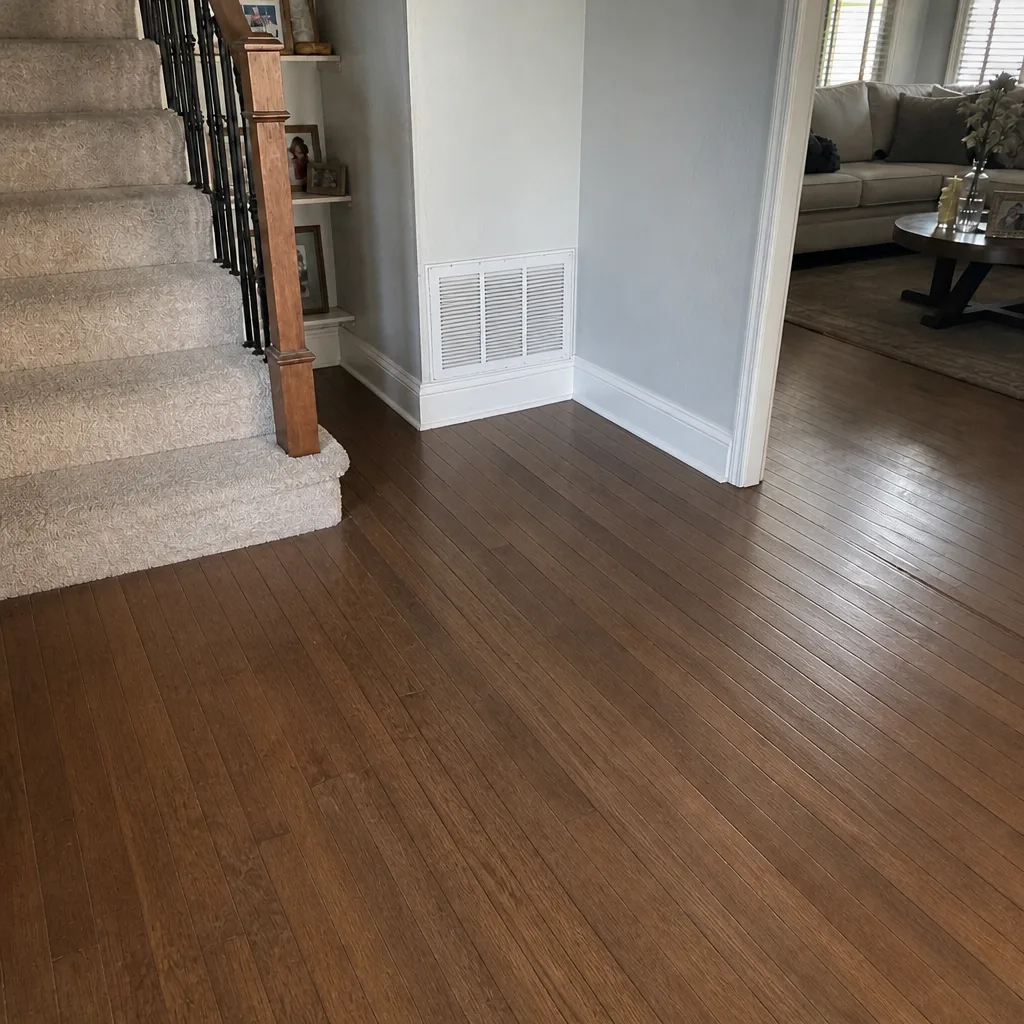
See the difference
 Before
 After
 Before
 After
 Before
 After
When to Call a Professional
Call a professional if you smell a musty or burning odor at startup, if one or more rooms have never heated or cooled properly, if you hear consistent whistling at a register, or if you find debris or staining when a register is pulled. Also call if the dryer vent flap does not open fully or clothes take more than one cycle to dry. These are the signals that point to a specific location a trained technician can target. Our technicians have up to 8 years of experience reading these signs in Boise City homes. Duct Cleaning Boise City offers free estimates in Boise City, with a written scope of work agreed before anything starts. Call (866) 552-6419 to book one. We answer 24/7, with fast dispatch from 7am to 7pm, Sunday through Friday.
Frequently Asked Questions
The strongest combined signals are a musty smell at furnace startup, uneven airflow to certain rooms, and dust that returns to surfaces within days of cleaning. Any one of these is worth an inspection; two together almost always point to a real contamination or duct issue rather than a surface complaint. Call (866) 552-6419 for a free estimate.
Because the heat exchanger surface and the first few feet of the supply plenum are where moisture and warmth come together, which is where microbial growth establishes. The smell surfaces at startup because that is when the plenum first gets hot and the blower pushes air across it. It gets worse each cycle you run, so it is worth addressing early. Call (866) 552-6419 to book an inspection.
Not on its own. Grilles collect dust simply because air passes over them, and a dirty grille can be wiped. The more important signal is what sits six inches back inside the boot collar and along the duct floor, which a technician checks during a walkthrough. If dust returns to surfaces quickly after cleaning, that is the stronger indicator. Call (866) 552-6419 for a free estimate.
A whistle points to an airflow restriction upstream of that register – a partially closed damper, a collapsed or crushed duct section, or an undersized branch. It is worth tracing because it costs airflow to that room every cycle the system runs. Call (866) 552-6419 and we will trace it during the estimate.
They do, in a specific way. The wide seasonal temperature swing stresses duct joints and flex material, and cold winter air against a heated living space creates condensation risk at cold surfaces. That combo tends to show up first as joint wear and musty smells. Call (866) 552-6419 for an inspection of your Boise City system.
We provide before-and-after photos of your own ducts so the change is visible rather than assumed. We agree one clear scope of work before anything starts, and the price is set per job by the written estimate. If you are comparing quotes, ask whether photos will be provided. Call (866) 552-6419 for a free estimate.
The Bottom Line
Duct warning signs are mostly acoustic, thermal, and olfactory, and they point to specific locations a trained technician can target. Smells at startup point to the plenum and heat exchanger surface. Airflow asymmetry points to a branch obstruction, a disconnected joint, or a closed damper. Whistles point to restrictions. Surface dust is the least useful clue, and the real load sits in the boot collar. When moisture or mold is present, cleaning alone is not enough and containment equipment and repair come into play. Read the signals, book an inspection, and get a written scope before the work begins.
Contact
If any of the signs in this guide match what your home is doing, the next step is a look at the system itself. Call Duct Cleaning Boise City at (866) 552-6419 for a free estimate. We answer 24/7, with fast dispatch from 7am to 7pm, Sunday through Friday. We clean with professional-grade Rotobrush and Nikro equipment, we can repair what the cleaning uncovers, and we recommend Honeywell and Aprilaire filtration options when the visit reveals a system that needs more than a cleaning. For service in Boise City, see our Boise City page.
Written by the team at Duct Cleaning Boise City.