
Last updated November 16, 2026
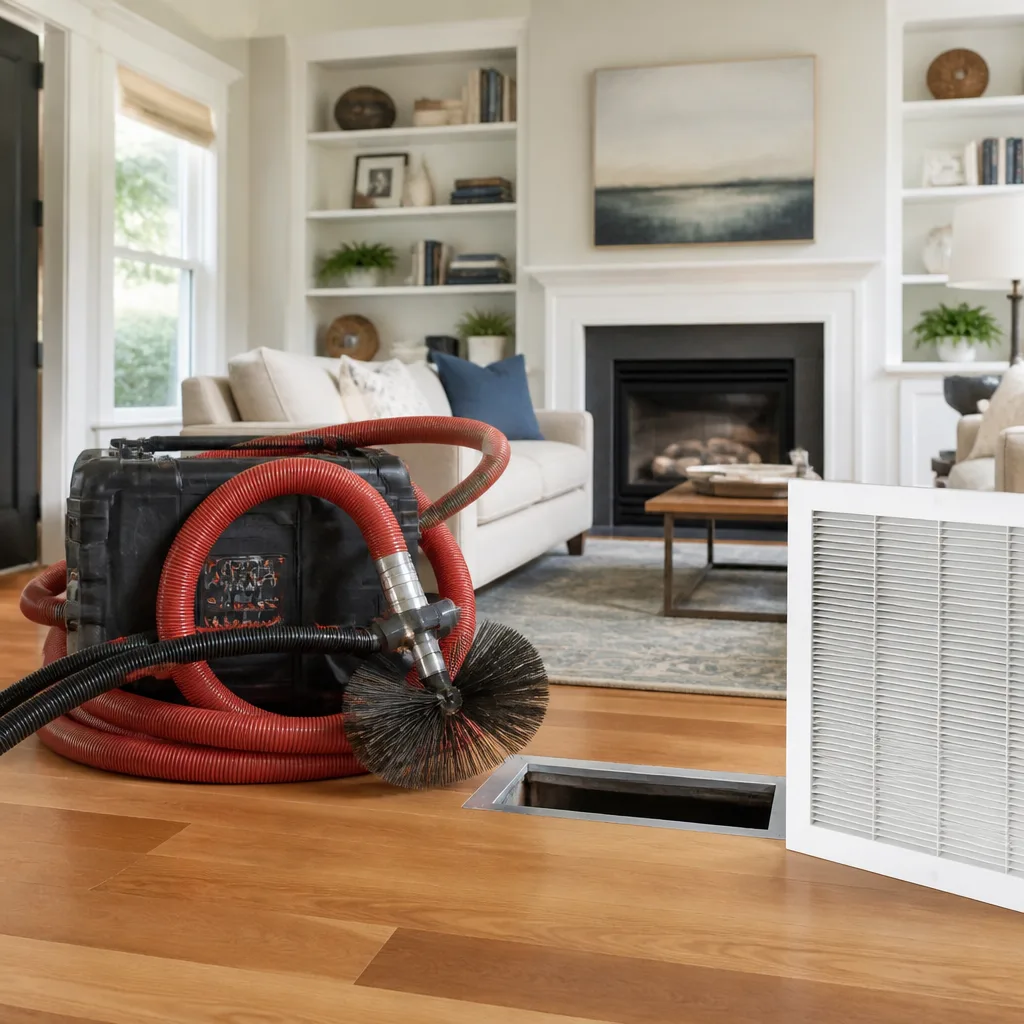 Whole-home duct cleaning
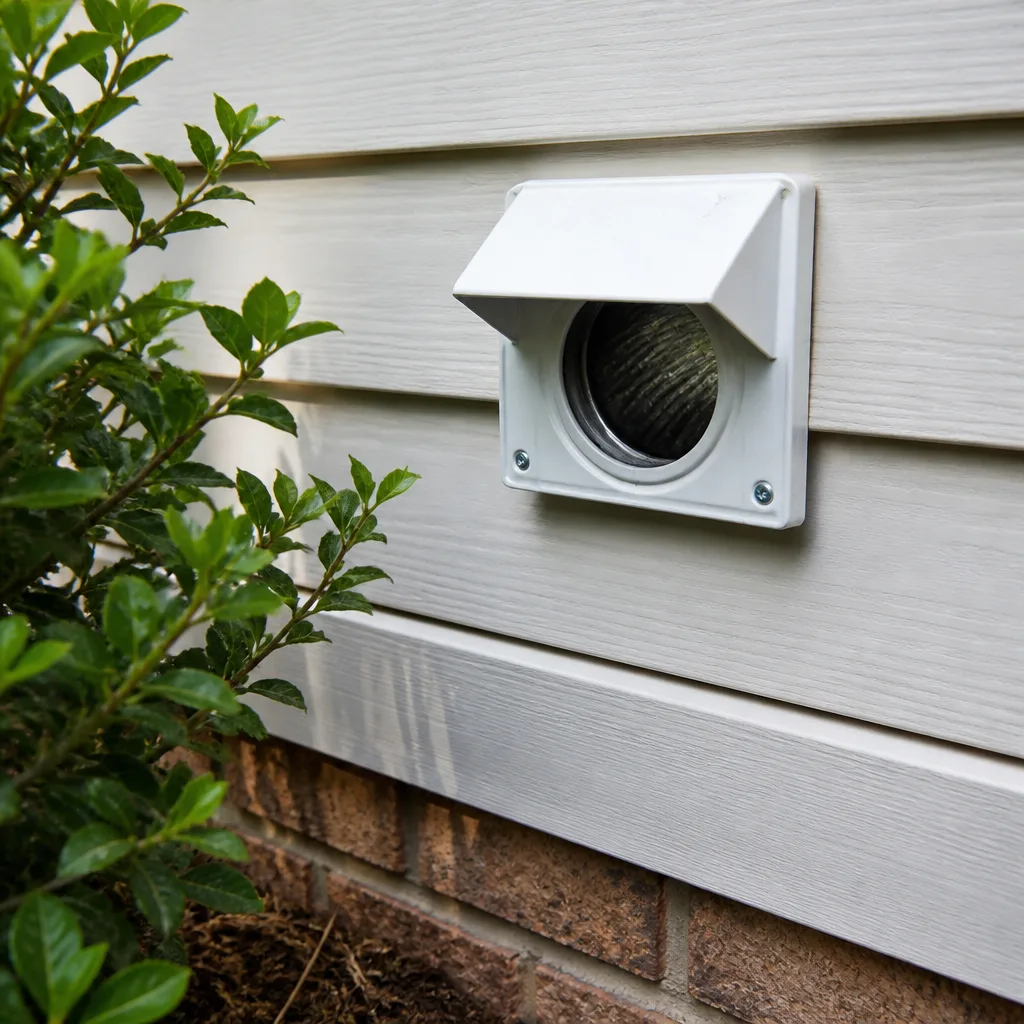 Dryer vent cleaning
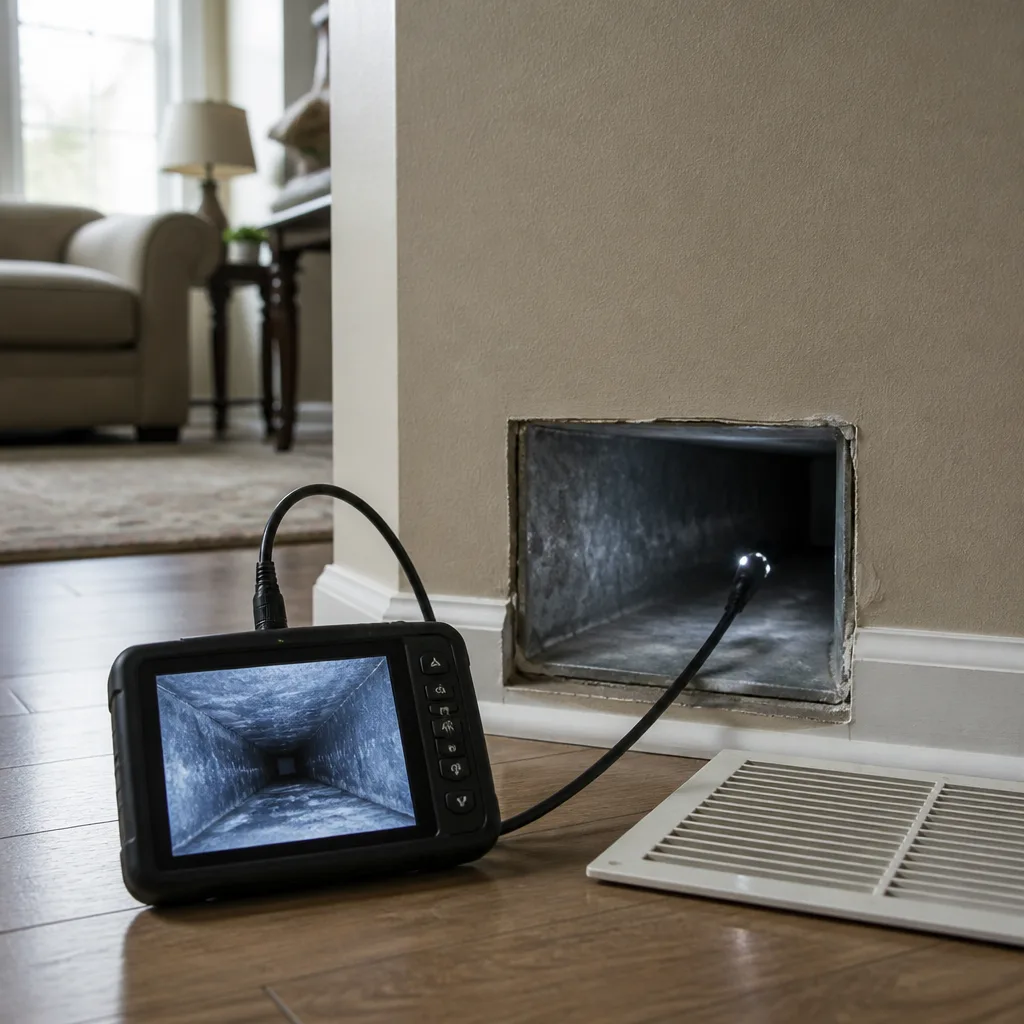 Camera inspection
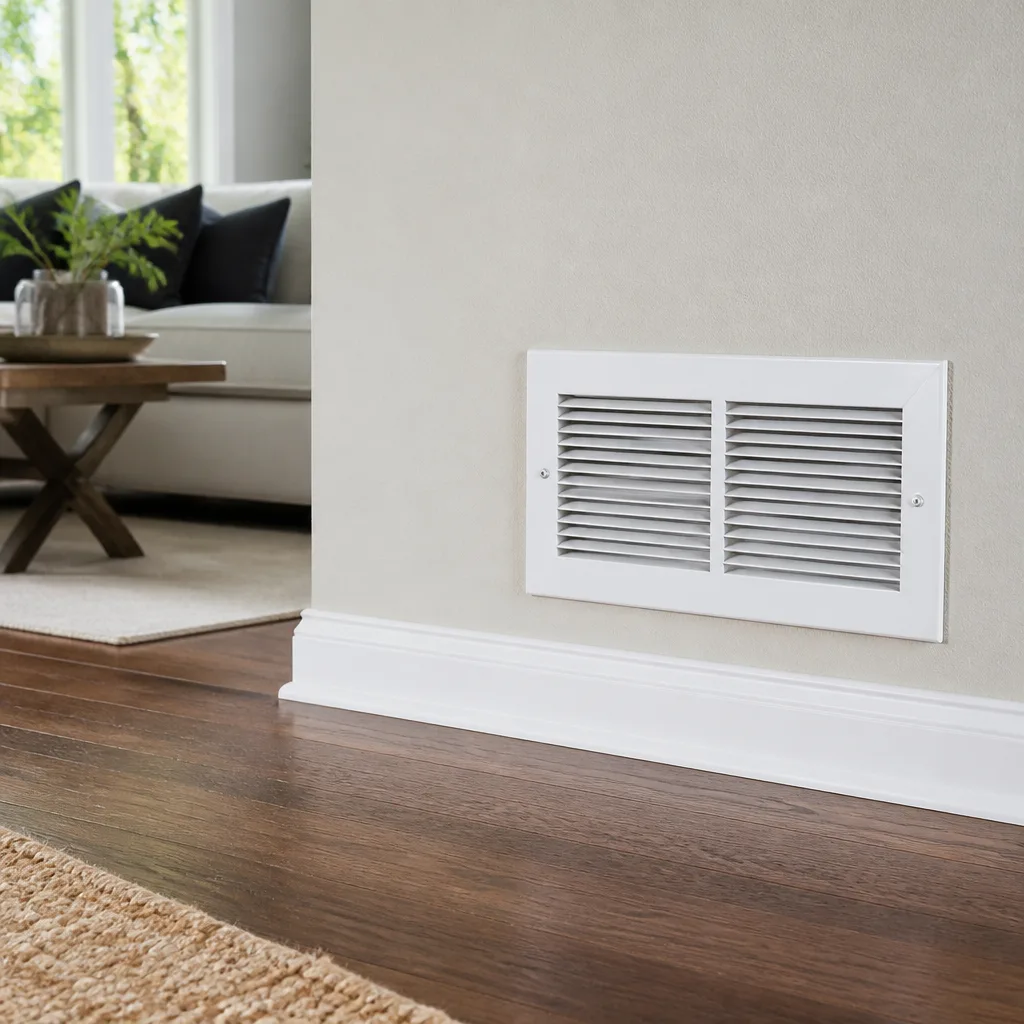 Sanitizing & deodorizing
Whole-system duct and dryer vent check with before-and-after photos - you see exactly what came out of your vents
That "$99 whole-house special" is a bait ad - the real number appears once they are in your hallway, or the "clean" is a shop-vac at the register. We photograph the inside of your ducts before and after instead.
Air Duct Cleaning Troubleshooting in Boise City: Common Problems and How to Fix Them
If you’ve had your ducts cleaned and the problem came back within six months, the cleaning wasn’t the issue – the diagnosis was. Most of the complaints we hear in Boise City start as symptoms: a musty smell from the hallway vent, dust that settles on the registers a week after you wipe them, a back bedroom that never warms up. Those symptoms point to a specific upstream cause, and if that cause doesn’t get addressed, no amount of vacuuming will keep the problem from returning. This guide walks you through matching each symptom to its real mechanical origin before anyone shows up at your door.
Quick Answer
Most duct problems in Boise City trace back to one of four causes: a dirty evaporator coil, a duct leak in the attic or crawlspace, microbial growth from trapped moisture, or collapsed flex duct. Cleaning only fixes contamination inside the ducts themselves. Weak airflow, musty odors, and stubborn dust each need a diagnosis first, because cleaning the wrong thing wastes your money and the symptom comes right back.
Styles & brands we work with
- Whole-home duct cleaning
- Dryer vent cleaning
- Camera inspection
- Sanitizing & deodorizing
Table of Contents
- Symptom to Cause: The Troubleshooting Matrix
- Why Boise City’s Dry Climate Makes Registers Look Dirty
- The Tissue-Paper Pressure Test for Weak Airflow
- Agitation Cleaning vs. Negative-Pressure Only
- Red Flags That Mean the Problem Is Downstream of the Ducts
- Musty Smell: Tracking Down the Source
- When Cleaning Uncovers a Duct That Needs Repair
- The Vent Most Homeowners Forget to Troubleshoot
Symptom to Cause: The Troubleshooting Matrix
The fastest way to understand a duct problem is to stop treating all the symptoms as one issue. Here’s how the most common complaints map to their actual mechanical origins.
| Symptom | Most Likely Cause |
|---|---|
| Dusty supply registers | Static-charged dust, dirty filter, or a leak pulling attic dust in |
| Musty smell from vents | Microbial growth on the coil, in a wet pan, or on damp duct insulation |
| Uneven room temperatures | Duct leak, kinked flex run, or undersized return |
| Rattling or popping in the walls | Loose flex duct, vibration from a failing blower, or duct hangers in contact with framing |
| Weak airflow from every register | Blower or filter restriction, not necessarily dirty ducts |
| Weak airflow in one register only | Crushed or disconnected flex duct on that branch |
This is where a proper diagnosis separates a real cleaning job from a wasted visit. In our experience, roughly half of what homeowners describe as “duct problems” in Boise City turn out to be equipment-side issues or installation flaws that cleaning won’t touch. An air duct cleaning job addresses contamination, not airflow design. Knowing which one you’re facing saves you from paying for the wrong fix twice.
The single most useful habit is to write down when each symptom appears. Dust settling overnight points to static. Smell strong on the first warm day of spring points to the coil. Cold air in one room all winter points to a leak on that branch. A short written log makes the diagnosis almost obvious.
Why Boise City’s Dry Climate Makes Registers Look Dirty
Boise City sits in a high desert valley with low humidity most of the year. That dryness is good for a lot of things, but it creates a dust behavior that surprises homeowners: registers get dusty fast even when the ducts themselves are reasonably clean. The reason is static electricity. Dry air holds little moisture, so dust particles pick up a charge and cling to the closest grounded surface, which is usually the metal register grille or the return air cover.
Three things actually fix this:
- Upgrade your filter media. A standard fiberglass filter is there to protect the equipment, not your air. A pleated media filter in the right MERV range catches more of the fine particles that stay airborne in dry air. Aprilaire filters are a common choice because the housing is sized specifically so the filter doesn’t choke the airflow.
- Reduce the source. In a house with dry, dusty attic air, a leaky return duct pulls fine dust straight from the attic into the system. Sealing the return is more effective than any cleaning pass.
- Add moisture control. If the home runs very dry in winter, a whole-house humidifier cuts the static charge that makes dust cling. That’s an upgrade, not a cleaning fix, and worth understanding before you buy the wrong service.
We’re careful to separate what cleaning solves from what it doesn’t. Rotobrush agitation lifts settled dust from flex and rigid duct interiors, and Nikro HEPA extraction captures it, but neither changes how charged particles behave on a dry day. If your registers dust over a week after cleaning in Boise City, the cause is the home’s dry air or a leak, and addressing that is the answer.
The Tissue-Paper Pressure Test for Weak Airflow
Before you call anyone, you can tell whether weak airflow is a duct problem or an equipment problem using a single sheet of tissue paper. Here’s the method:
- Turn the system fan to ON so it runs steadily without heating or cooling.
- Hold a single-ply tissue against the face of the return grille. A healthy return should pull it flat and hold it.
- Test each supply register the same way. Note which ones pull the tissue and which ones let it fall.
- If every register fails, the problem is upstream: check the filter first, then suspect the blower wheel or the return duct.
- If only one or two registers fail, the problem is on that branch: a crushed flex run, a disconnected collar, or a closed damper.
That last distinction is the whole game. A system-wide failure is an equipment or return-side problem. A single-room failure is a duct problem. Repeat the test after changing the filter to see whether the numbers improve.
One caution: the tissue test is a starting point, not a measurement. A blower wheel caked with dust loses capacity evenly across the whole system, and that’s a case where professional equipment and a proper diagnosis matter. If the test points to a whole-system issue, the next step is a trained eye inside the air handler, not another cleaning pass.
Agitation Cleaning vs. Negative-Pressure Only
Not every duct job needs the same tool. The two main approaches are worth understanding, because the right choice depends on how the contamination is bonded to the duct surface.
Rotobrush agitation cleaning uses a rotating brush head that physically lifts dust, dander, and debris that has settled and adhered to the duct walls. It’s the right approach when the contamination is heavy and layered, which we often see after renovations, long periods without cleaning, or a household with multiple pets. The brush loosens the material so the vacuum can extract it instead of just skimming the surface.
Negative-pressure extraction pulls air out of the system under vacuum while a HEPA-rated unit like the Nikro captures particles. It’s effective for looser contaminant loads and lightweight surface dust, and it’s the backbone of any serious cleaning setup.
In practice, a proper job uses both. Agitation without extraction just puts dust back into the airstream. Extraction without agitation leaves the adhered layer on the duct wall. When you’re evaluating a quote, ask which tools the company uses and whether they agitate. A company that only pulls a vacuum hose into a register and calls it cleaning is not doing the same work. That’s the Duct Cleaning Boise City standard we hold to, and it’s also how you should measure any quote you get.
For homes with elevated contamination – visible growth, significant rodent activity, or post-remediation work – an Abatement Technologies negative-air setup can contain the work zone so contaminants don’t migrate into livable space. This is where a specialist’s equipment shows, and it’s why we recommend asking what the company actually brings to the job.
Red Flags That Mean the Problem Is Downstream of the Ducts
Some problems will never be fixed by cleaning the ducts, because the ducts aren’t the source. Watch for these signals:
- Smell that appears only when heating or cooling runs. That points to the evaporator coil or a wet drain pan, not the ducts.
- A burning or metallic smell that comes and goes. This can indicate a heat exchanger concern. It’s a safety issue, and the system should be checked by a qualified HVAC technician before anyone runs it again.
- Airflow that’s weak at every register even after a filter change. A blower wheel loaded with dust loses capacity and needs to be cleaned or serviced at the air handler.
- Excess water in the drain pan or around the coil. Standing water feeds microbial growth, which then spreads downstream. Fix the moisture source first.
- Frost on refrigerant lines. That’s a charging or airflow problem and no amount of cleaning resolves it.
If any of these describe your home, the right first call is to an HVAC technician for a diagnosis, then a duct specialist for cleaning once the mechanical issue is corrected. Cleaning a system that still has a wet coil will just give the growth a fresh surface to colonize. We say this plainly because we’d rather send you to the right specialist than take a job that won’t solve your problem.
Musty Smell: Tracking Down the Source
Musty odors are the single most frustrating complaint in this trade, because the smell can come from a half dozen places and homeowners often pay for cleaning twice before finding the real one. The systematic way to find it is to work backward from where the smell is strongest.
- Sniff each register with the fan running. If the smell is strongest at the return, the source is likely in the return duct or air handler.
- Open the access panel to the evaporator coil (if you’re comfortable doing so safely). A musty smell there points to microbial growth on the coil or in a wet pan.
- Check any ductwork in a crawlspace or attic for condensation or wet insulation. Boise City homes with crawlspaces see this after a wet spring.
- Look for disconnected ducts near the air handler. A gap pulls in crawlspace or attic air, which carries the smell everywhere.
Only after the source is found should cleaning be scheduled. If growth is on the coil, cleaning the ducts won’t kill it, and the smell returns within weeks. Cleaning the ductwork after the moisture source is fixed and the coil is addressed is the sequence that actually works. Use a professional-grade HEPA extraction and agitation pass to remove the contamination that’s already spread through the system. And when the growth is heavy enough to need containment, an Abatement Technologies negative-air unit keeps the spores from moving during the work – a step a general cleaning setup can’t provide.
When Cleaning Uncovers a Duct That Needs Repair
Cleaning often reveals problems the homeowner didn’t know about: a disconnected collar at a boot, a crushed section of flex duct under a floor joist, a section of ductwork that was never properly sealed at installation. This is the reason we offer air duct repair alongside cleaning. A cleaning visit that uncovers a disconnected duct and can fix it in the same appointment saves you a second call and stops the leak that was pulling airborne debris into the system.
The repair side matters most in Boise City’s older neighborhoods, where ductwork was often added or modified over the decades. Original galvanized ducts might have been patched with tape that’s long since failed. Flex runs added later might be routed carelessly through tight crawlspaces. Sealing those gaps and restoring proper connections is often what finally stops the recurring dust problem – cleaning alone just can’t stop a leak. If a full cleaning uncovers that kind of issue, you want a company that can address it rather than leaving you to find a repair crew on your own. The repair capability is why many homeowners in Boise City end up calling us in the first place.
The Vent Most Homeowners Forget to Troubleshoot
Every troubleshooting guide to residential ducts should mention the one vent that has nothing to do with air quality and everything to do with fire safety. Dryer vents clog with lint, and the U.S. Fire Administration identifies dryer vent failure as a leading cause of residential house fires. If your dryer takes longer than one cycle to dry a load, or the outside vent flap barely moves when the dryer runs, lint has likely built up in the run.
The fix is straightforward dryer vent cleaning with a proper brush and extraction tool, not the flexible wand sold at hardware stores. Boise City homes with long vent runs or vents routed through the roof need this more often because the extra distance gives lint more places to accumulate. If you’re already scheduling a duct cleaning, the dryer vent is a sensible add-on, since both need the same professional equipment and both address the same broad concern: the systems that move air through your home need to be clear to work safely.
A backed-up dryer vent is also a hidden electricity cost. A dryer working against a clogged vent runs longer per load, and the heat buildup accelerates wear on the appliance. Clearing the run restores normal drying time and removes the fire risk in one visit.
Common Mistakes to Avoid
- Booking cleaning before diagnosing. Cleaning the wrong system wastes money and the symptom comes back. Match the symptom to a cause first, then book the right service.
- Trusting a low coupon price. A rock-bottom number usually turns into a larger invoice once the technician is on site. Ask for one flat price per system, in writing, before the work starts, and expect it to cover the whole system, not a per-vent charge.
- Skipping the filter question. A clogged or wrong-MERV filter chokes airflow and makes any duct work look ineffective. Replace it before and after the cleaning.
- Assuming cleaning fixes airflow. Airflow problems are usually equipment, returns, or duct design, not contamination. If every register is weak, the ducts are probably not the culprit.
- Ignoring the attic or crawlspace. In Boise City, duct leaks in unconditioned space pull in dusty, sometimes damp air. If the run in the attic or crawlspace has gaps, cleaning won’t hold up.
- Letting a company skip proof. Ask for before-and-after photos of your own ducts. A legitimate job can show the difference; a blow-and-go visit can’t.
- Forgetting the dryer vent. It’s the highest-risk air system in the house and it’s easy to overlook during a duct service.
See the difference
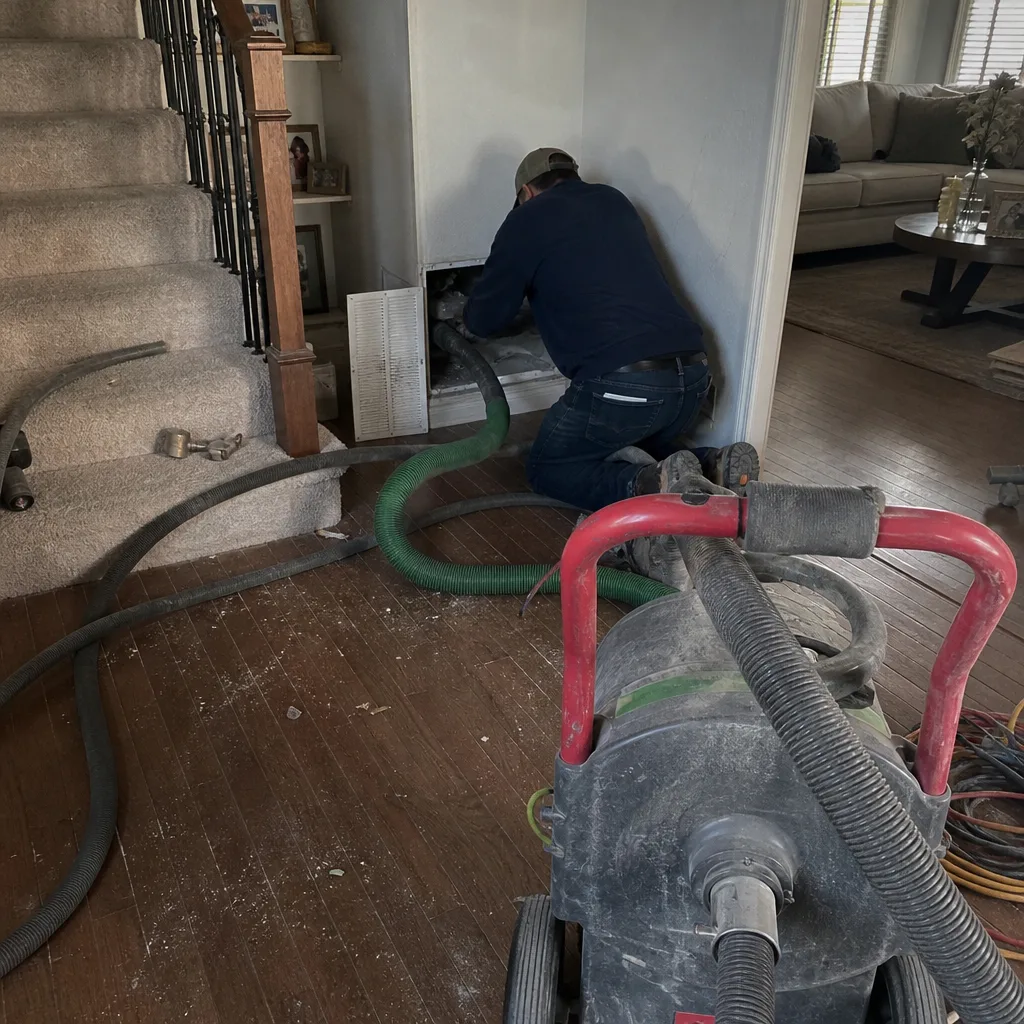 Before
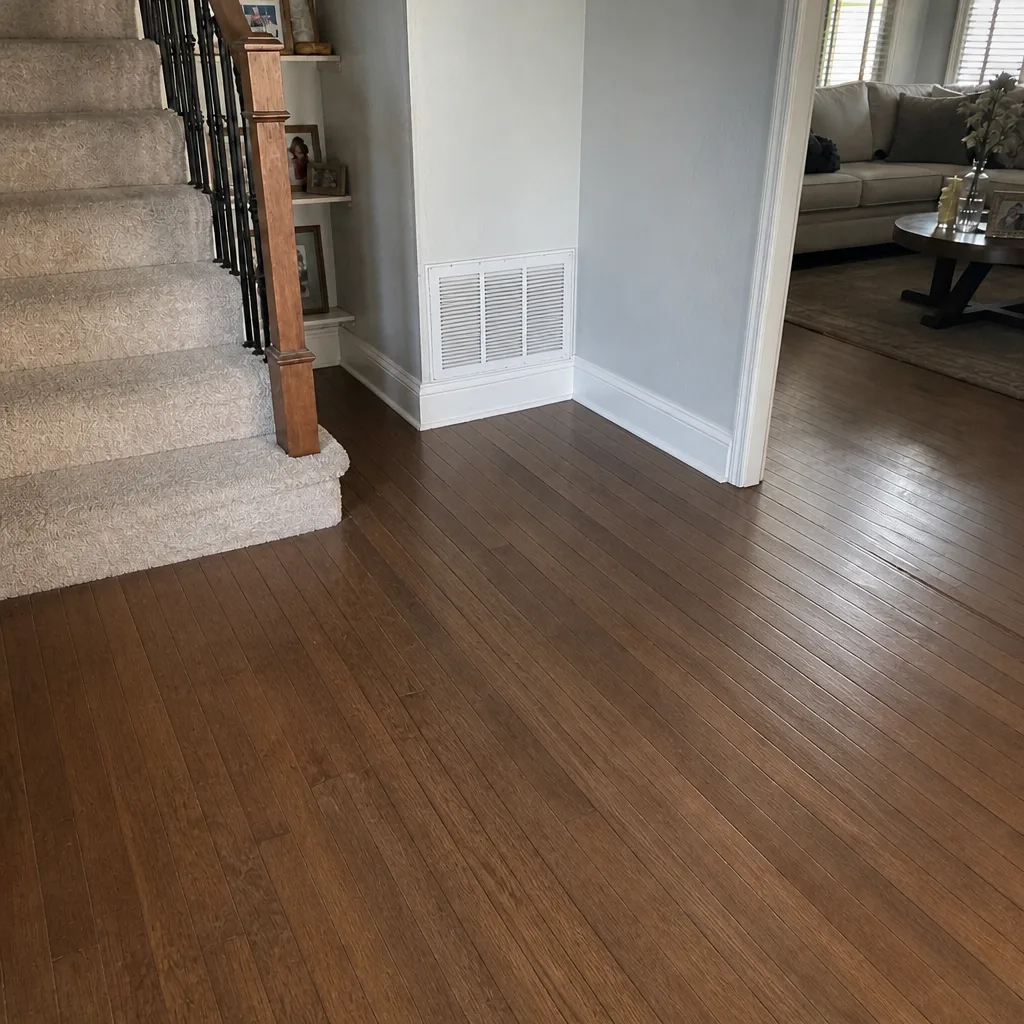 After
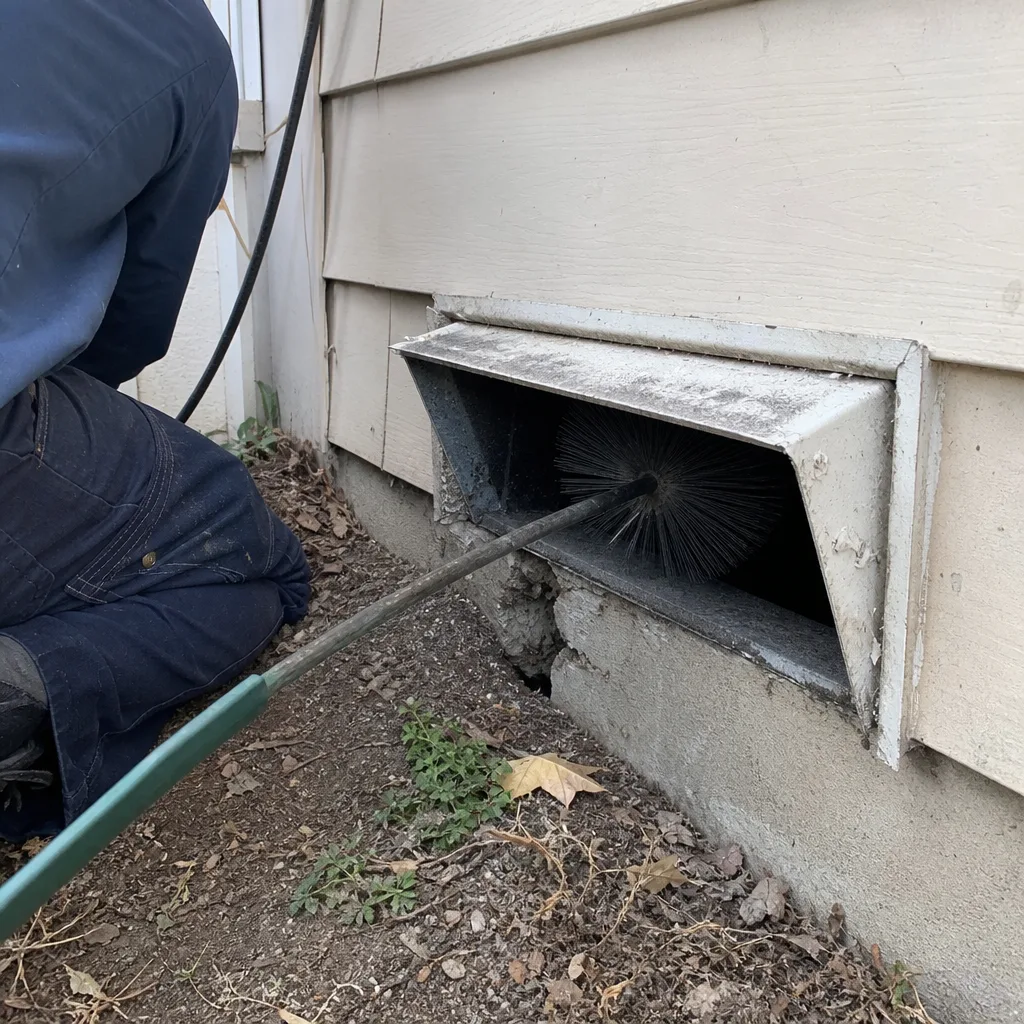 Before
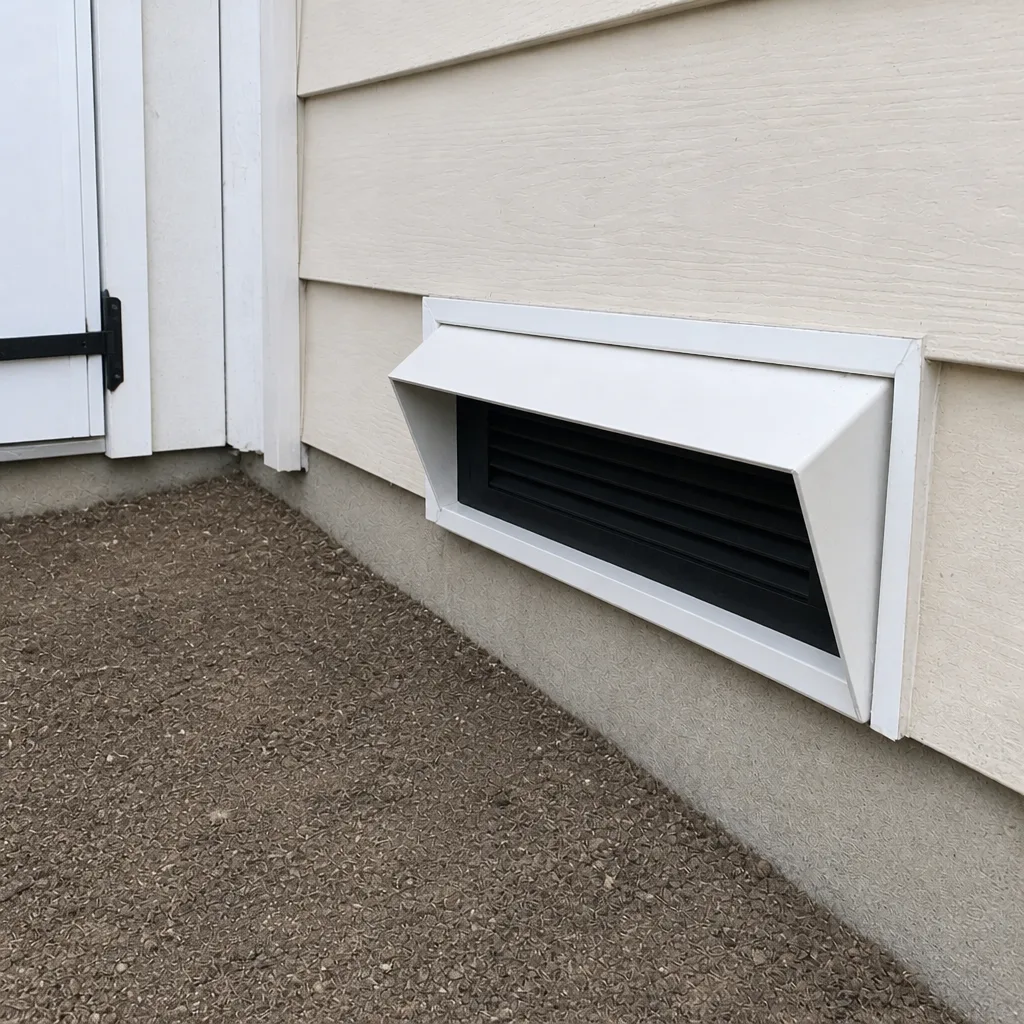 After
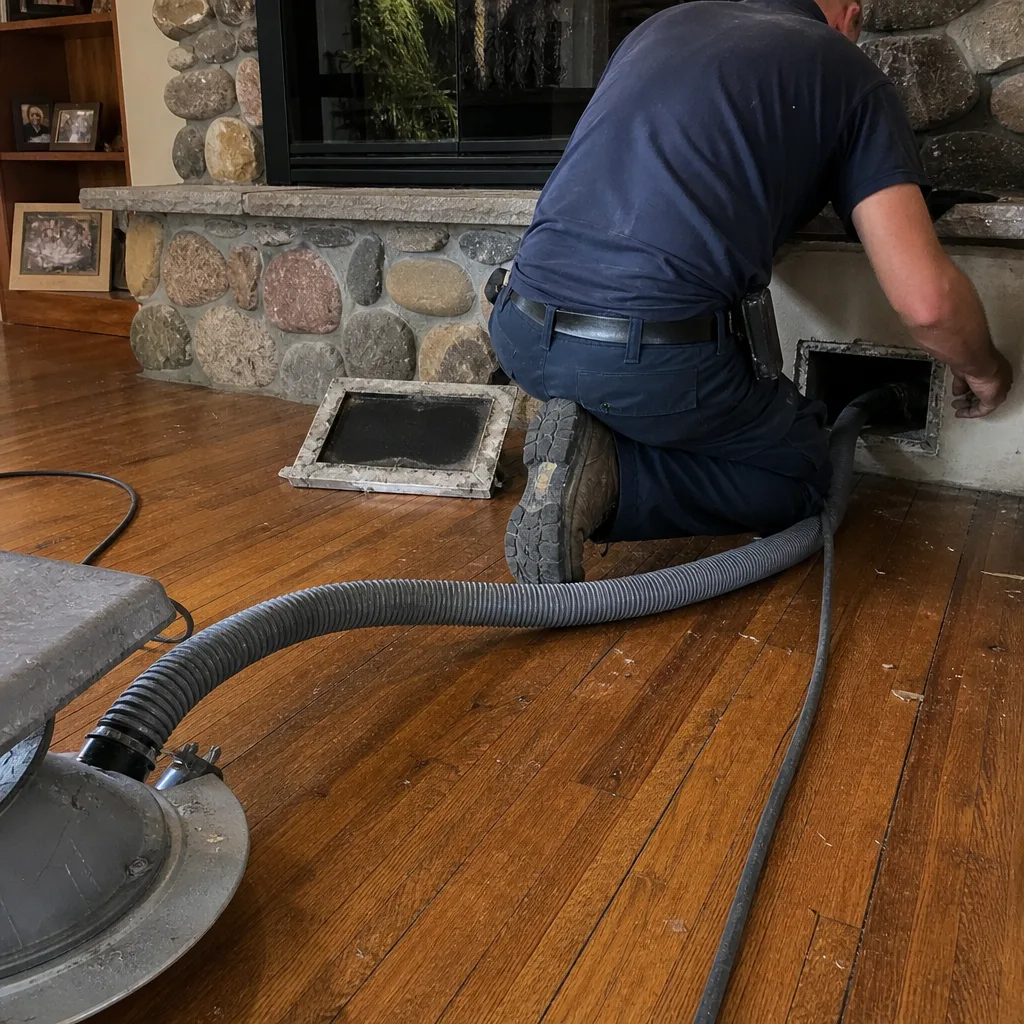 Before
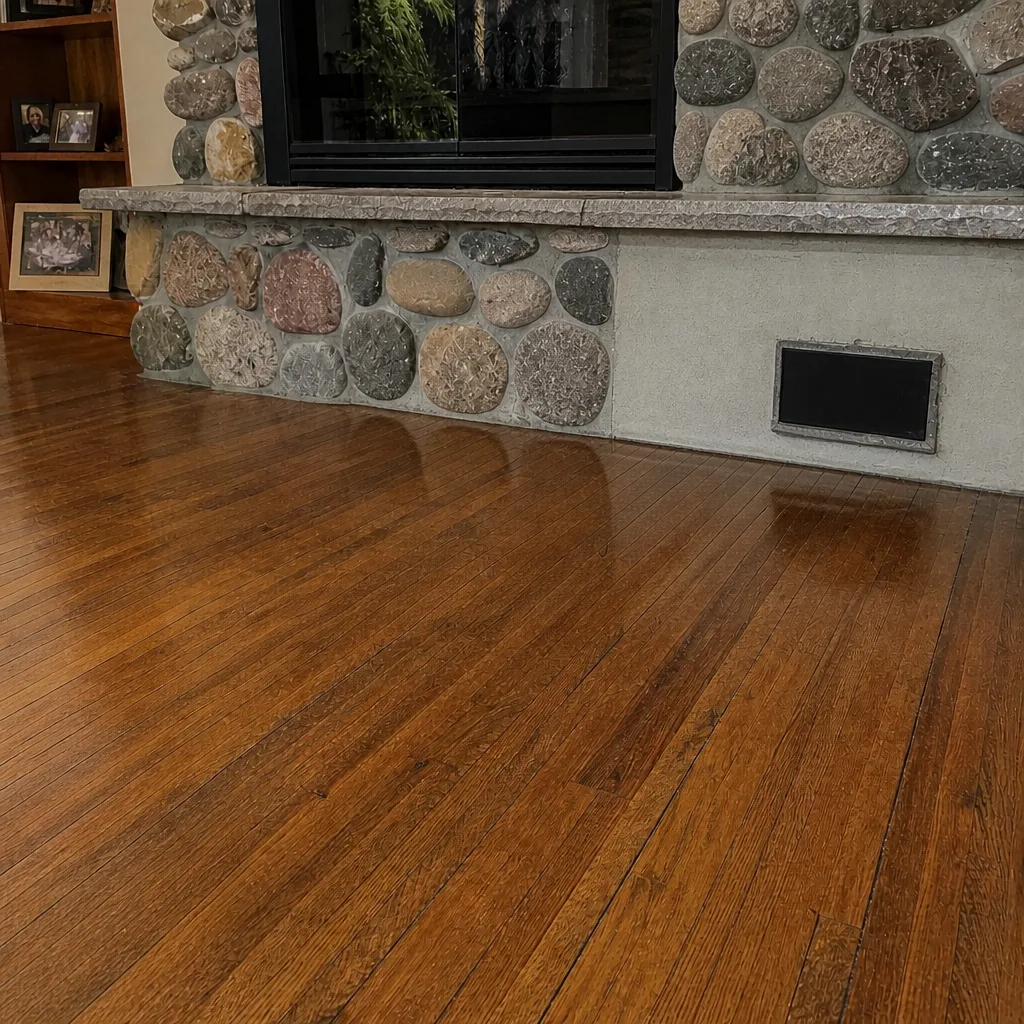 After
When to Call a Professional
Some problems need a trained technician and professional-grade equipment, and dry-duct troubleshooting is one of them. Call a professional if:
- You smell mustiness at any register when the system runs, or the smell returns shortly after a cleaning.
- Airflow is weak across the whole system even after a filter change.
- You notice visible dust plumes from a register when the system kicks on.
- The ducts run through an attic or crawlspace and you suspect a leak or disconnected run.
- You’ve had work done and want a proper inspection before making a decision.
Duct Cleaning Boise City offers free estimates in Boise City. Call (866) 552-6419. We answer 24/7. Fast dispatch from 7am to 7pm, Sunday through Friday. Our technicians have up to 8 years of experience and carry Rotobrush and Nikro equipment. We give you one flat price per system in writing before any work starts, and before-and-after photos of your own ducts when we’re done.
Frequently Asked Questions
Most residential jobs in Boise City fall into a whole-system price range based on the number of vents, system complexity, and contamination level, and the exact figure is set per job by the written estimate. There’s no per-vent pricing with us and no teaser coupon that changes once the technician arrives. Call (866) 552-6419 for a free estimate – the numbers are set before any work starts.
Cheap quotes usually reflect either a smaller scope than the job needs (skipping the return side, skipping agitation) or a low price that grows once the technician is on site. Ask two questions: does the price cover the whole system, and what equipment do they bring? A company using proper agitation and HEPA extraction will quote a realistic figure, and that’s the number you can actually hold them to.
Ask for before-and-after photos of your own ducts. A real job shows visible difference in the duct interior and at the boots. We always provide photos for this reason, and we don’t charge per-vent, so what you see is what you get for the flat price. Call (866) 552-6419 to book an inspection.
For most Boise City households, every two to four years is a reasonable baseline, with homes that have pets, allergy sufferers, recent renovations, or heavy dry-season dust needing it more often. The real signal is symptoms: recurring dust on registers, musty odors, or weak airflow. If any of those show up before the interval, it’s worth checking early.
Only if the smell is coming from the ducts themselves. If the musty smell traces back to a wet coil, a drain pan, or damp insulation, cleaning the ducts will not solve it – the moisture source has to be fixed first. That’s why we diagnose before booking a cleaning.
It can help when the ducts hold accumulated dust, dander, or pollen, which dry Boise City air tends to keep airborne and charge with static. Cleaning removes the settled load, and pairing it with better filtration (Aprilaire filters are a common choice) cuts the particles that recirculate. If the source is elsewhere in the system, the relief won’t last without addressing that source first. Call (866) 552-6419 to talk through the right sequence.
The Bottom Line
Duct problems almost always resolve faster when you identify the cause before you book the cleaning. That means checking the filter, testing airflow with tissue paper, tracking smells to their real source, and understanding whether the problem is truly contamination or a leak, a coil, or a collapsed run. Boise City’s dry climate makes static dust a special case that cleaning alone won’t fix. Once you know what you’re actually dealing with, one proper cleaning with the right equipment, and a repair visit if a leak turns up, is usually the whole answer. We’d rather help you diagnose than sell you a second pass.
Written by the team at Duct Cleaning Boise City.