
Last updated November 16, 2026
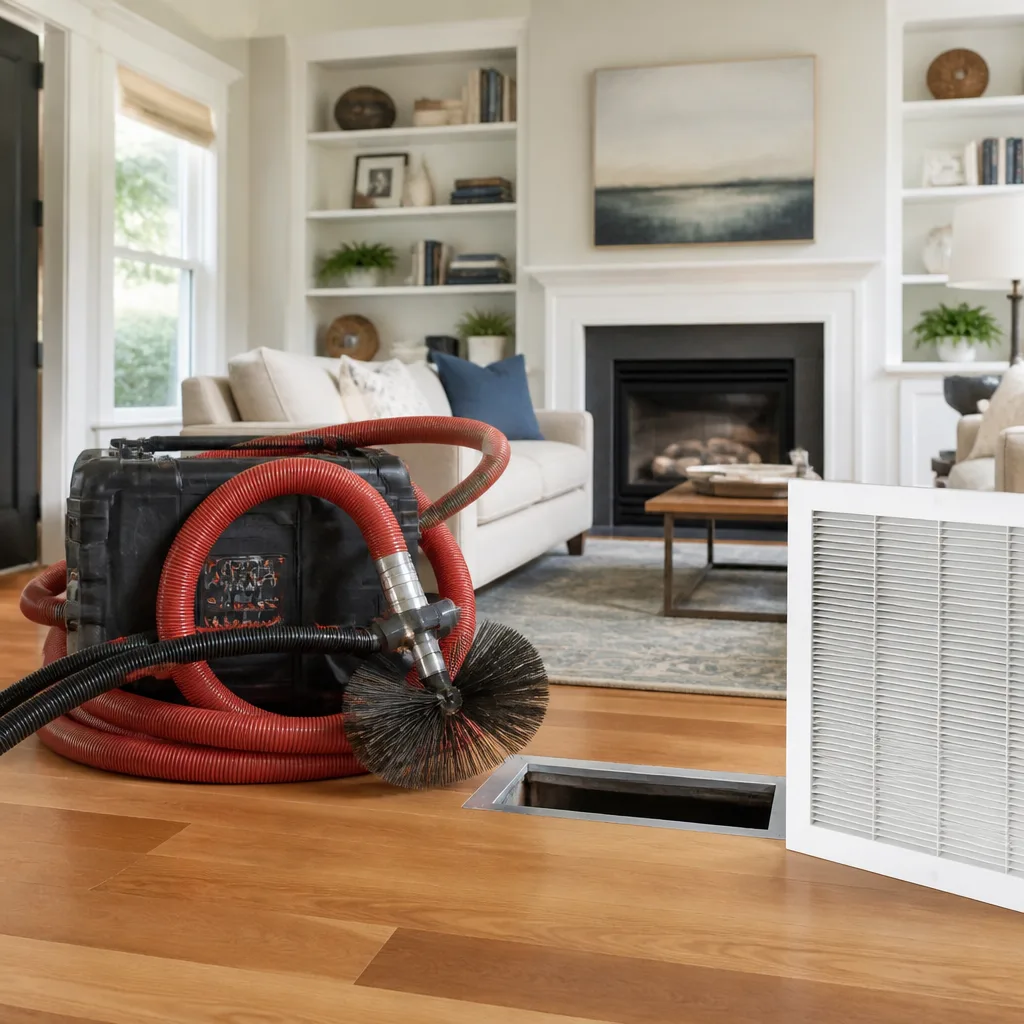 Whole-home duct cleaning
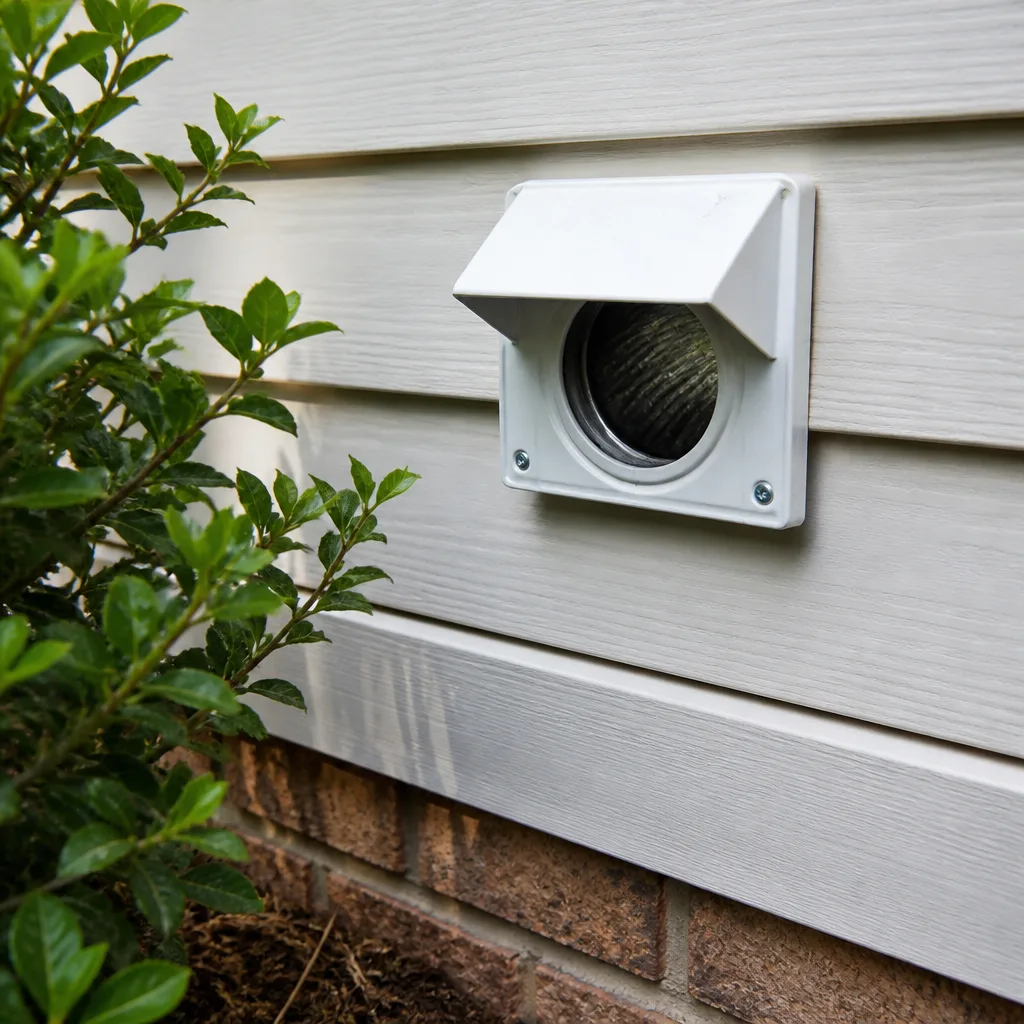 Dryer vent cleaning
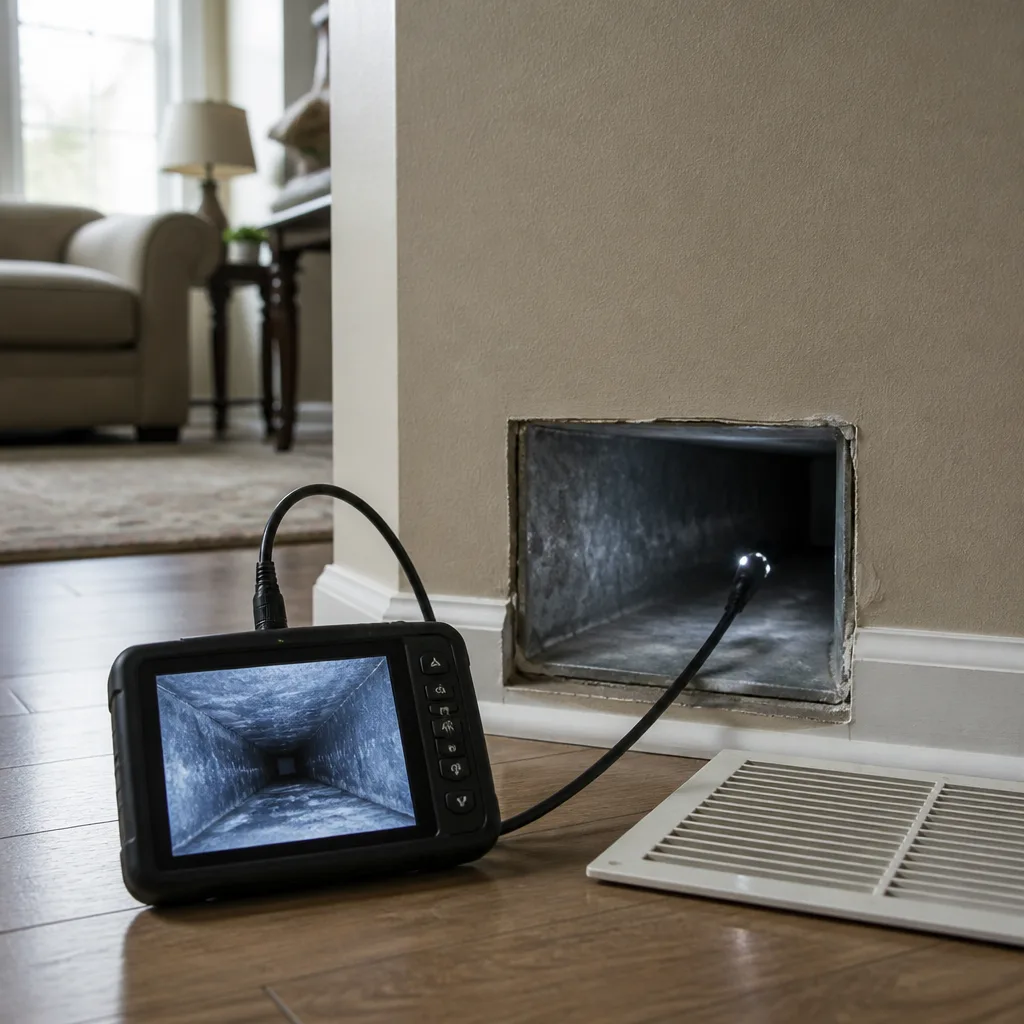 Camera inspection
 Sanitizing & deodorizing
Whole-system duct and dryer vent check with before-and-after photos - you see exactly what came out of your vents
That "$99 whole-house special" is a bait ad - the real number appears once they are in your hallway, or the "clean" is a shop-vac at the register. We photograph the inside of your ducts before and after instead.
How to Hire an Air Duct Cleaning Contractor in Boise City: A Step-by-Step Guide
Idaho does not require a specialty license to offer air duct cleaning, which surprises most homeowners who assume every contractor who shows up with a hose is regulated. The only credential that actually signals competency in this trade is NADCA membership, and the number of Boise-area companies that hold it is small. That gap is the reason this guide exists. What follows is a technical interview framework: the equipment questions, the quote-decoding rules, and the scope-of-work structure that let you separate an equipped specialist from an upsell-focused generalist before anyone knocks on your door in Boise City.
Quick Answer
Hire an air duct cleaning contractor in Boise City by verifying NADCA membership first, then asking five equipment questions (vacuum CFM, agitation method, containment, air handler access, post-job verification), and finally requiring a written scope of work that names every vent, register and return line before work begins. Price is set per system by a written estimate, not by coupon or per-vent count.
Styles & brands we work with
- Whole-home duct cleaning
- Dryer vent cleaning
- Camera inspection
- Sanitizing & deodorizing
Table of Contents
- Why Idaho’s Licensing Gap Changes How You Vet a Contractor
- The Five Equipment Questions to Ask Before Booking
- How to Decode a Duct Cleaning Quote
- What NADCA’s ACR Standard Actually Requires
- How to Write a Scope of Work Before a Technician Arrives
- Boise City Market Red Flags
- Why Repair Capability Matters in Boise City Ductwork
- The Dryer Vent You’re Not Asking About
Why Idaho’s Licensing Gap Changes How You Vet a Contractor
Idaho has no state-mandated specialty license for air duct cleaning. A contractor with a shop vac, a ladder, and a business card can legally advertise in Boise City. That’s not a knock on the state’s trades as a whole – Idaho requires licensing for electricians, plumbers, and HVAC installers – but duct cleaning falls outside the categories that get inspected, which means the vetting burden lands entirely on you.
What fills the gap is voluntary certification. NADCA (the National Air Duct Cleaners Association) publishes the ACR standard for how this work should be performed, and its members commit to that standard, carry insurance, and are subject to a code of ethics. Membership isn’t a guarantee of quality, but it’s the closest thing to a baseline you can verify in writing. Fewer than a handful of Boise-area companies hold it. Ask for the membership number and look it up on NADCA’s site rather than trusting a badge on a truck.
Here’s what the licensing gap actually means for a Boise City homeowner:
- You cannot rely on the Idaho Bureau of Occupational Licenses to have vetted a duct cleaner.
- You must verify liability insurance and bonding directly from the contractor’s certificate, not from a verbal assurance.
- You must inspect the equipment on arrival or ask about it during the intake call.
- You must define “full system cleaning” in writing because the industry has no enforced definition of the term.
The rest of this guide is the practical version of that verification. We’ve built it around the questions that most reliably separate a specialist from a company that added duct cleaning to a service menu to fill out a slow month. If you want the plain-language version of the service itself, start with air duct cleaning.
The Five Equipment Questions to Ask Before Booking
Equipment is the single best proxy for competence in this trade. Cleaning ducts isn’t about scrubbing visible surfaces – it’s about creating negative pressure at the source, agitating caked-on debris throughout the run, and capturing everything without blowing it back into the living space. That requires three categories of tool: high-CFM vacuum, rotary agitation, and containment. Ask these five questions during the intake call:
- “What’s the CFM rating on your vacuum and how many vacuum motors?” A truck-mounted unit typically runs 12,000 to 18,000 CFM. A portable HEPA unit runs in the 1,500 to 3,500 CFM range but is designed for containment, not high-volume extraction. Either can be legitimate, but the answer tells you which unit will actually be connected to your system. A pat answer of “industrial strength” is a red flag.
- “What’s your agitation method?” Rotary brush, compressed-air whips, and pneumatic balls are the three standard approaches. A contractor who can explain which they use and why for flex duct versus rigid duct knows the equipment.
- “Do you use negative-air containment or will you use drop cloths?” Real containment uses a HEPA-filtered negative-air machine to hold dust inside the work zone. Drop cloths are cosmetic.
- “How do you access the air handler and coil, and do you clean the blower compartment?” Many “full system” quotes stop at the registers and skip the air handler entirely. The blower compartment is often the dirtiest part of the system.
- “How do you verify the work was done?” Before-and-after photo documentation of the trunk line interior is the industry norm. A contractor who can’t describe how they document the job hasn’t thought about it.
Local professionals we work with use Rotobrush for agitation and vacuum, and Nikro HEPA-rated extraction for post-cleaning verification and contamination scenarios. Those are the same tools carried by certified IAQ contractors. A consumer-grade shop vac connected to a supply vent is not the same service, even if the invoice looks similar.
If you’re being told the answer depends on your home, that’s fine – some of these vary by duct material. What you’re listening for is whether the contractor can name specific tools, ratings, and approaches, or whether the answer is genial fog.
How to Decode a Duct Cleaning Quote
A legitimate duct cleaning quote is a scope, not a number. The number sits at the bottom, but the body of the document should make clear what’s being cleaned, what equipment is being used, what isn’t included, and what happens if the technician finds damage. Here’s the split between what belongs in every quote and what’s often an upsell dressed as a line item.
Line items that should always appear
- Number of supply vents, return vents, and trunk lines being cleaned, listed separately.
- Access method – are they cutting access ports in the plenum, using existing registers, or a combination?
- Air handler and blower compartment whether included or excluded. It should be stated, not assumed.
- Vacuum type and containment approach, even in shorthand.
- Post-cleaning verification – photos, video, or written report.
- What happens if damage is found – is a second appointment required, or can repair be done the same visit?
Add-ons that need scrutiny
Some add-ons are legitimate. A dryer vent cleaning is a real service with real fire-safety value and belongs on a bundled quote if you want it. Beyond that, the two you’ll see most often are sealant application (legitimate if a duct is physically leaking and the contractor shows you where) and biocide fogging (rarely necessary and often sold without evidence of microbial growth).
If a quote arrives as a per-vent number and a single bottom line, ask for the scope in writing. If the only way to get a scope is to let a technician walk the house first, that’s a soft sales call, not an estimate. Local market red flags around this practice are covered in the section below.
| Quote element | What it tells you |
|---|---|
| Per-vent price with no scope | Number-first pricing; scope is being defined on-site |
| Flat per-system price with written scope | Price agreed before arrival; no per-vent surprises |
| Sealant line item with photo evidence | Legitimate repair add-on |
| Biocide fogging as default | Manufactured upsell unless growth is documented |
| Quote only available after “inspection” | Sales visit, not estimate |
What NADCA’s ACR Standard Actually Requires
NADCA’s ACR standard (Assessment, Cleaning, and Restoration of HVAC Systems) is the published methodology for how duct cleaning should be performed. It’s a technical document, but its core requirements are simple enough to check:
- Assessment before cleaning. The contractor evaluates the system – visual inspection and, when warranted, surface sampling – to determine what’s actually there and what cleaning approach is appropriate. Cleaning without assessment is guesswork.
- Source removal, not just surface handling. Debris must be removed from the system, not redistributed inside it or pushed into the living space.
- Negative pressure during cleaning. The work zone is held at negative pressure to prevent contamination from escaping.
- Component cleaning. Coils, blower, drain pans, and plenums are part of the system, not add-ons.
- Post-cleaning verification. Visual inspection documented with photos or video confirms the job is complete.
Two questions reveal immediately whether a contractor has read the standard:
- “How do you determine whether cleaning is warranted before you quote it?” – A contractor familiar with ACR will talk about assessment and source evaluation. A contractor unfamiliar will talk about the coupon.
- “What does your post-cleaning verification look like for my home specifically?” – The answer should describe before-and-after documentation of your system, not a generic checklist.
If your goals go beyond routine cleaning – say you’ve had a renovation, water intrusion, or persistent musty smell – the ACR framework matters more, not less. This is where professional-grade equipment like the Abatement Technologies negative-air units come in: containment in a serious contamination scenario isn’t optional. The right tooling matters most when the stakes are highest.
How to Write a Scope of Work Before a Technician Arrives
The single most useful document you can create before booking is a one-page scope of work. It takes ten minutes and eliminates the biggest source of disputes: what “full system cleaning” actually means for your specific home. Send it to the contractor with your request for a quote; a professional will welcome it, and a generalist will get vague.
- Count and label every supply register. Walk the house, list the rooms, and note the vent in each. This gives the contractor an exact count and prevents post-visit invoice adjustments.
- Count every return vent and identify the filter size. A central return in the hallway and one return per bedroom are common in Boise City homes; a single return at the air handler is typical in older construction.
- Locate the air handler and describe access. Attic, closet, or garage – the contractor needs to know what tooling can physically reach the blower compartment.
- Note any prior issues. Pets, recent renovation, musty smell from specific vents, visible dust at registers. All of this informs the assessment.
- State the outcome you want. “Clean system, before-and-after photos of the trunk line, no add-ons without prior approval.” That’s the whole request.
- Ask for the quote in writing, per system, with all line items. Not per vent. Not “starting at.” A single price that reflects the scope you described.
If you’re in Boise City and want a starting point, Duct Cleaning Boise City is where the pricing and equipment conversation starts for local households. For the neighborhood-level view, Boise City covers the areas across Ada County we work with.
Boise City Market Red Flags
Boise City’s duct cleaning market has a specific pattern to it: a few specialists, a lot of generalists, and a persistent coupon-subscriber contingent that treats the work as a lead-generation funnel. Three red flags matter more here than most places:
- Coupon-first pricing. A “$99 whole house” ad almost always becomes a $600 invoice once the technician arrives and starts adding per-vent, per-filter, or “heavy debris” fees. The original number was never the price; it was the deposit on a sales visit.
- Refusal to quote over the phone without an in-home “inspection.” For standard residential duct cleaning, a phone scope is entirely possible if you can describe your system (see the scope-of-work section above). Contractors who insist on the visit are usually going to use the visit to sell sealant, fogging, or a filtration upgrade that doesn’t match your system’s actual needs.
- Unlisted or out-of-area business address. A contractor operating from a PO box with no physical address is hard to hold accountable if the work isn’t done right. Check the address on the company’s site against the one on the estimate.
Idaho’s dry climate is another factor: heavy dust generation from summer wind, pollen from sagebrush and cottonwood, and winter inversion conditions around the valley all feed duct buildup. That’s a legitimate reason to clean, but it’s also the reason coupons for “annual cleaning” tend to be oversold. Duct cleaning on a schedule is fine; the schedule should be based on your household, not on a subscription.
Local professionals we work with will do a phone assessment, quote in writing, and note the typical range for their system. If you can’t get three written quotes for the same scope in a week, something is off with the intake process on their end.
Why Repair Capability Matters in Boise City Ductwork
Duct cleaning uncovers problems. Flex duct that’s slipped off a collar, seams that were never sealed, joints crushed during a renovation, and in some homes rodent intrusion into the return trunk. The question isn’t whether cleaning will find something – it’s whether the company you hired can fix what they find, or whether you’ll be paying two companies for what could have been one visit.
In Boise City’s housing stock, this comes up most often in homes built during the 1990s and 2000s that used flex duct through the attic. Flex run is practical and cheap, but it’s vulnerable to sagging, crushed bends, and disconnected collars. A cleaning visit that documents the problem is useful; a cleaning visit that documents the problem and repairs it is the whole point of hiring a duct specialist instead of a general HVAC shop.
Ask during the intake call: “If you find a torn or disconnected duct, can you repair it the same visit?” The answer should be a clear yes, with tooling described. Companies that build their service around cleaning and repair are a different animal from companies that route repairs to a subcontractor.
That repair capability is one reason people ask for full duct scope rather than just cleaning. “We clean it, and we can fix it” is the standard we hold local professionals to.
The Dryer Vent You’re Not Asking About
Most homeowners researching duct cleaning don’t think to ask about the dryer vent in the same call. They should. A clogged dryer vent is one of the leading causes of residential house fires according to the U.S. Fire Administration, and lint accumulation in the vent line is invisible until the dryer starts running hot or taking two cycles to dry a load.
A dryer vent cleaning is a quick add-on when a duct specialist is already on-site. If the vent run is short and clean, the contractor may tell you so rather than charging for work that isn’t needed. If the run is long, has multiple elbows, or discharges through a roof rather than a wall, it warrants a proper clean – the transition duct behind the dryer and the hidden sections of the line are where the risk lives.
In Boise City, older homes with rear-discharge vents through a side wall and newer construction with roof or attic-run vents both show up. If the last time anyone looked inside that line was before you moved in, it’s worth asking about.
Common Mistakes to Avoid
- Calling a generalist because they picked up first. The first company that answers isn’t the right company – it’s the one with the strongest answering service. Ask the equipment questions, then compare.
- Booking off a coupon without comparing the same scope elsewhere. A coupon price is meaningless against a per-vent quote from another contractor. Get three quotes for the same scope, and if the coupons have fine print, expect to pay it.
- Skipping the scope-of-work email. “Full system cleaning” means ten different things to ten contractors. The one-page scope you send makes the invoice verifiable.
- Assuming the air handler is included. Many quotes cover registers and trunk lines only. Ask specifically whether the blower compartment and coil are cleaned.
- Ignoring the dryer vent because it wasn’t the original question. If the technician is already in the home, cleaning the dryer vent is a small addition with real safety value.
- Taking “before-and-after” as a promise rather than a described process. Ask how they document it, what they photograph, and whether you get copies. If the answer is vague, the answer is no.
- Paying for a filtration or purification upgrade before the ducts are clean. Better air starts at the source. Honeywell and Aprilaire products are legitimately good systems, but installing one over dirty ducts is putting a filter on a problem instead of solving it.
See the difference
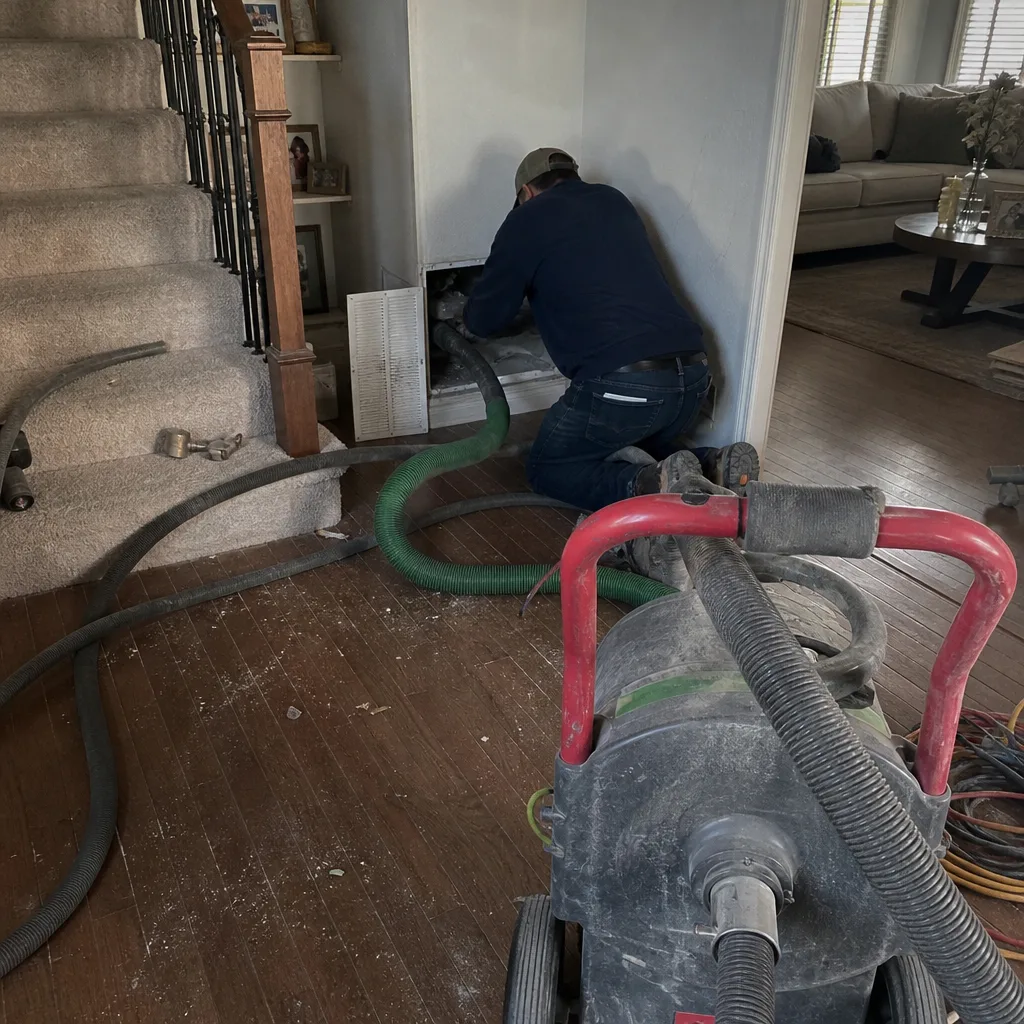 Before
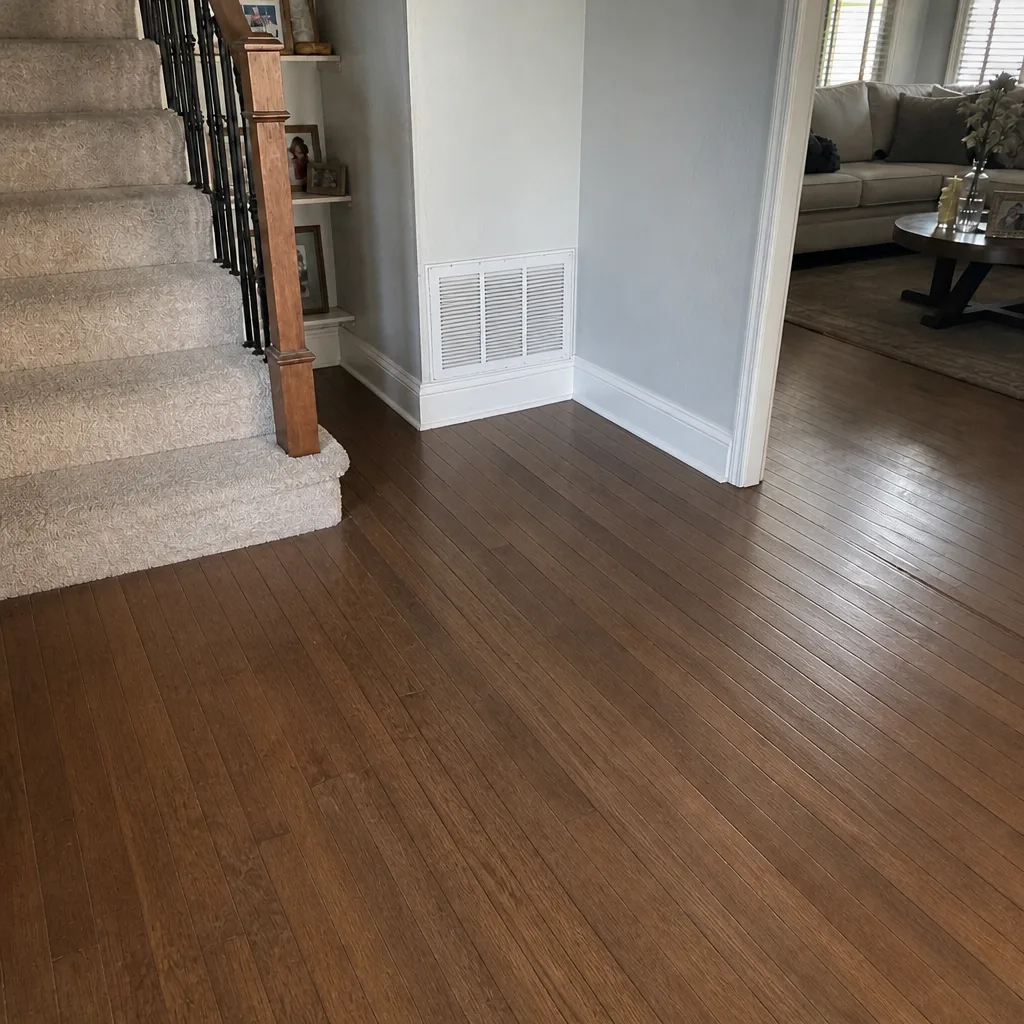 After
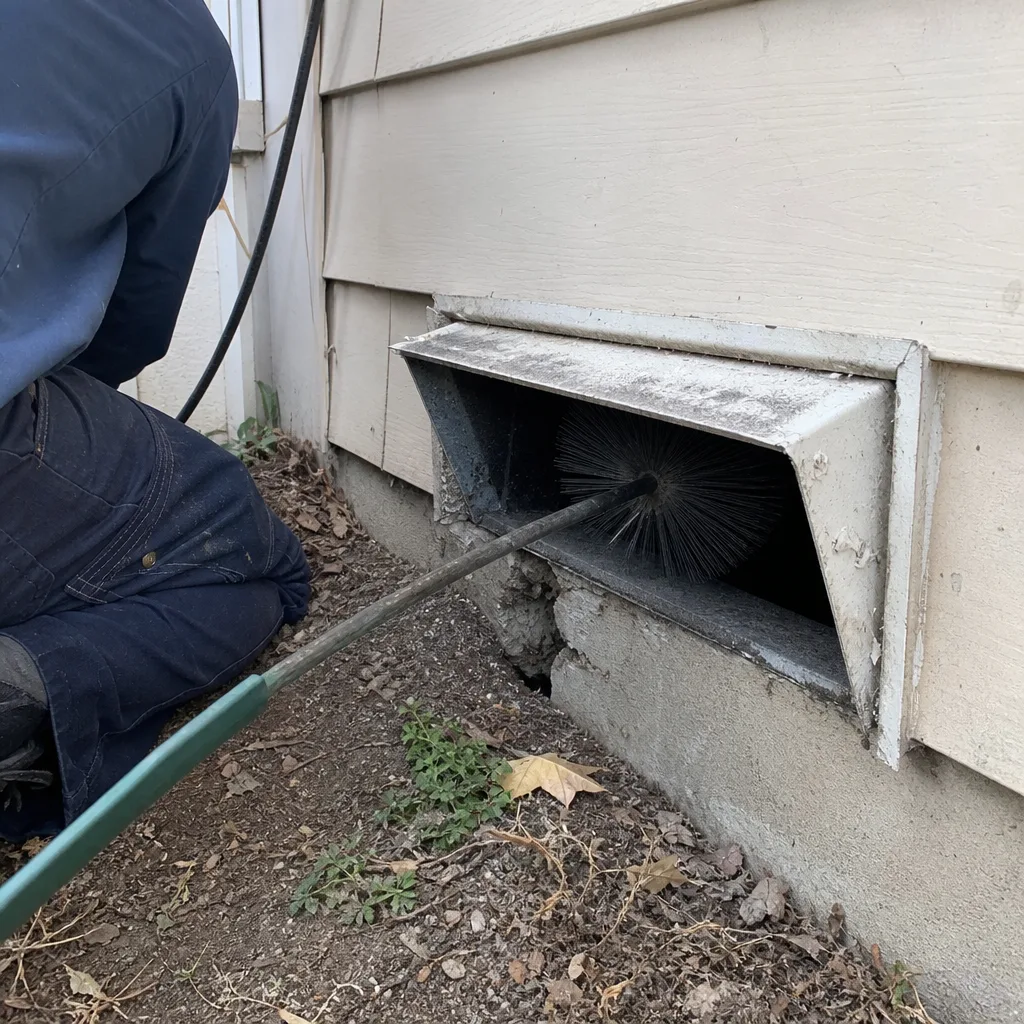 Before
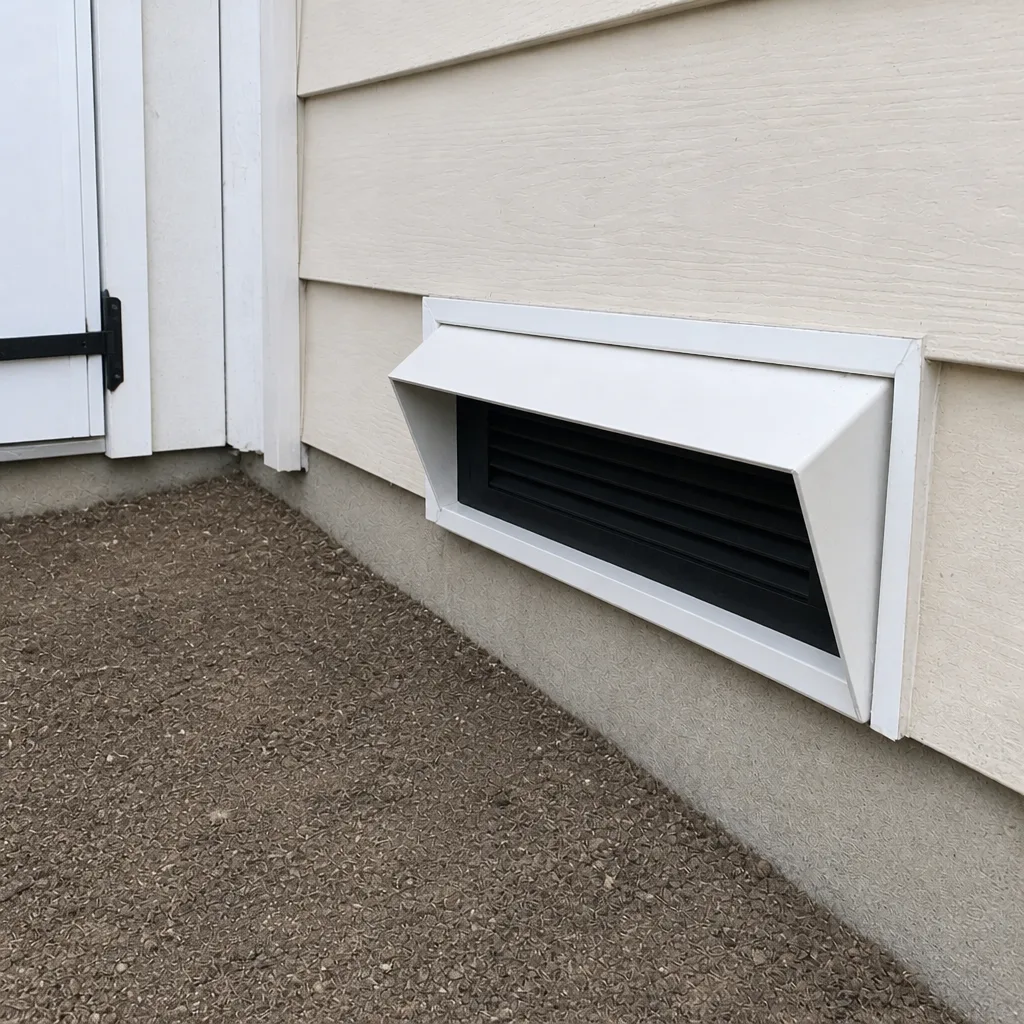 After
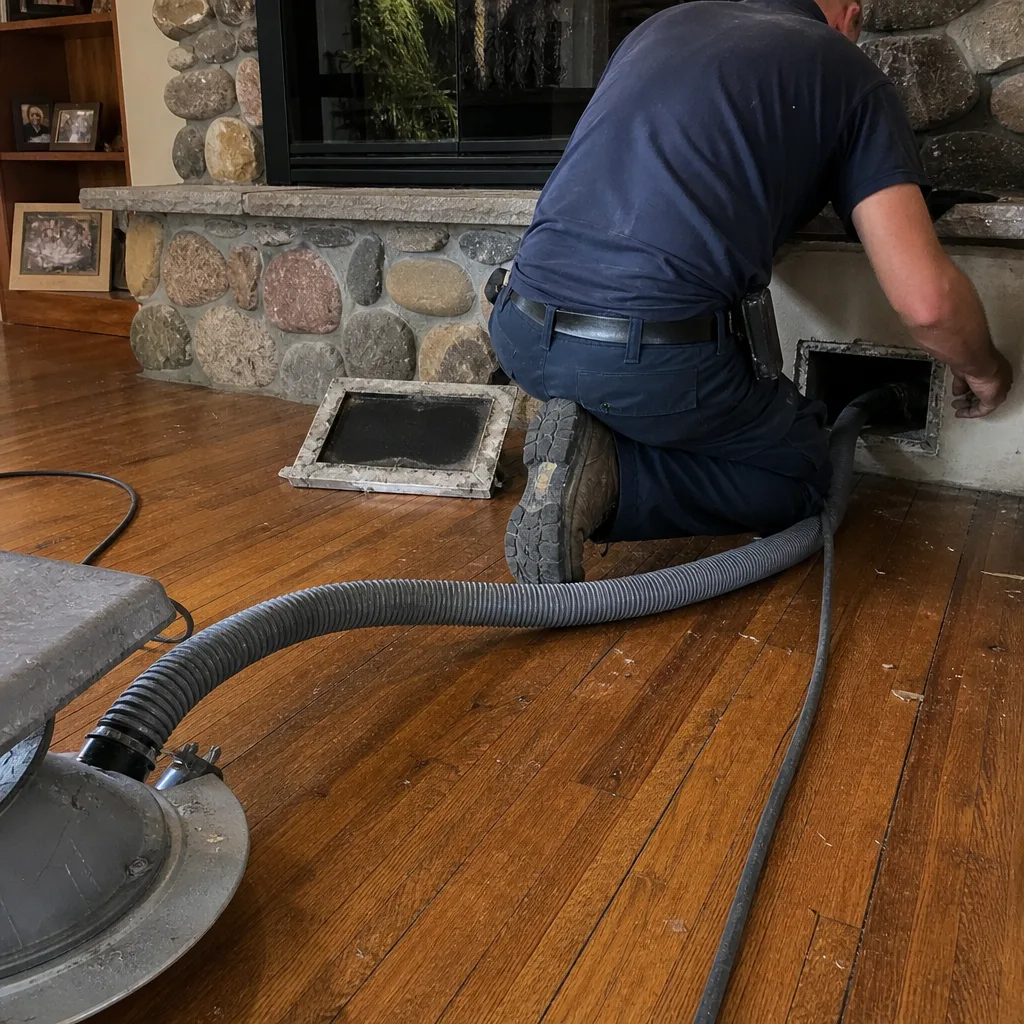 Before
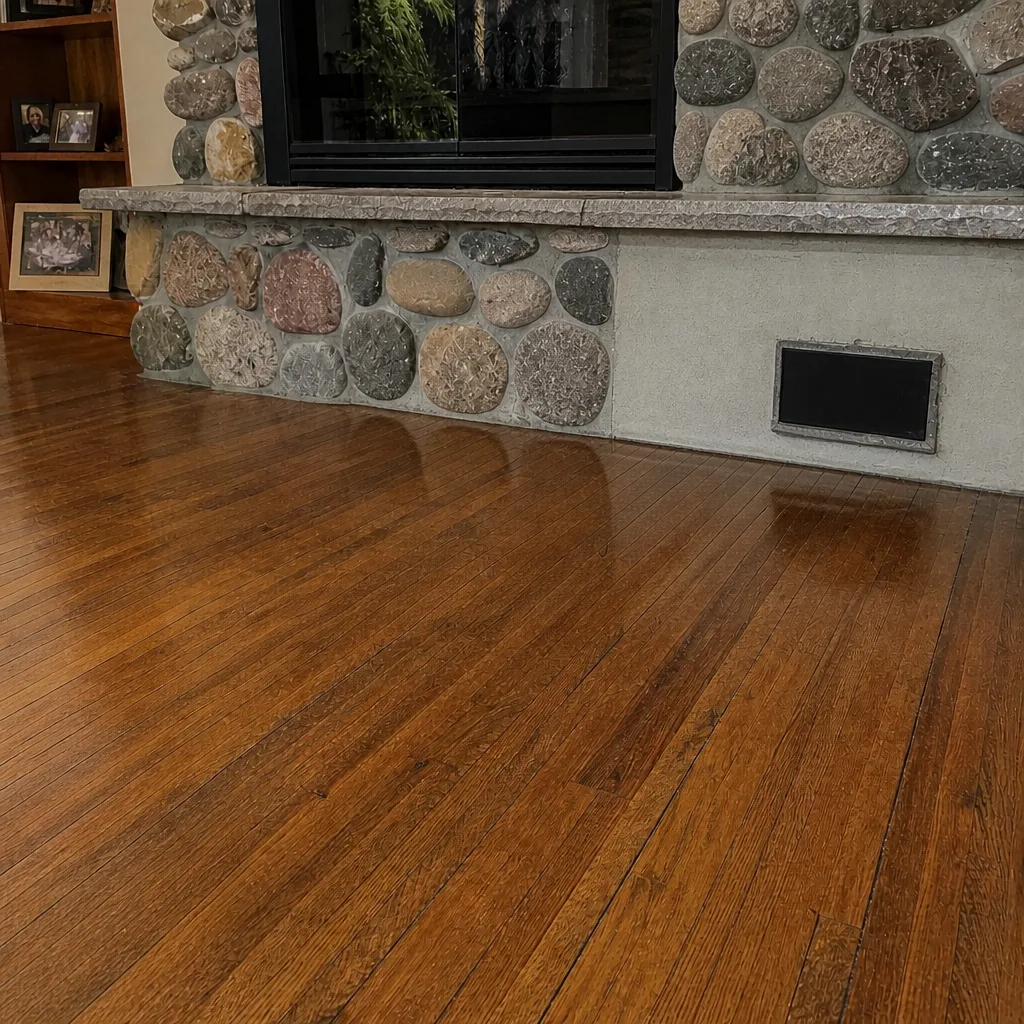 After
When to Call a Professional
Bring in a duct specialist when symptoms point to a system problem rather than a filter problem. Persistent dust on surfaces within a day of cleaning, musty smell that starts when the air handler kicks on, visible dust streaks around supply registers, or a recent renovation that generated fine dust all point to ductwork that needs source removal. Allergy symptoms that increase when the system runs are another signal, especially if household filters have been changed on schedule. Pet dander buildup in a multi-pet home after several years without duct cleaning is a common pattern in Boise City. Dryer vents over two years old in a home with a lint-prone set-up are worth having inspected. Duct Cleaning Boise City offers free estimates in Boise City – call (866) 552-6419. We answer 24/7, with fast dispatch from 7am to 7pm, Sunday through Friday.
Frequently Asked Questions
Whole-system air duct cleaning is typically estimated per system, not per vent, and the written estimate you receive after describing your home’s vents and air handler access sets the final price. That’s the answer to the coupon question too: if a number arrives without a scope, it isn’t a price. Call (866) 552-6419 for an exact quote – estimates are free.
Cheapest quotes usually omit the air handler, use portable consumer-grade vacuums without containment, or price per vent with add-on fees that surface on-site. The original number was a lead, not a scope. Ask the five equipment questions before comparing prices. Call (866) 552-6419 for a written scope and a flat price per system.
The standard is before-and-after photographic documentation of the trunk line and air handler interior, plus a written post-cleaning report. Ask during the intake call how photos are captured and whether you receive copies. Call (866) 552-6419 – we document each job with photos so you see what was cleaned.
It depends on the household, not a calendar. Homes with pets, recent renovation, or allergy sufferers typically benefit from cleaning every few years; a home with no pets, no renovation, and a well-maintained filter can go longer. The honest answer is that assessment comes before scheduling. Call (866) 552-6419 to talk through what your home actually needs.
Idaho does not require a specialty license to offer duct cleaning, which is why NADCA membership matters as a verification tool. Ask for the member number and verify it on NADCA’s site. Call (866) 552-6419 to discuss what certification and insurance coverage the local professionals we work with carry.
Yes – a specialist will document the issue during cleaning and, where possible, repair it the same visit. Disconnected flex, torn transitions, and crushed joints are the most common findings in Boise City homes. Air duct repair is a core service for Duct Cleaning Boise City, so there isn’t a second appointment and a second company involved. Call (866) 552-6419 for a free estimate.
The Bottom Line
The Idaho licensing gap means the vetting is on you, and that’s fine – the framework is short enough to fit on one page. Verify NADCA membership, ask the five equipment questions, require a written scope, and know what legitimate add-ons look like before a technician arrives. That’s it. A specialist with the right tools – Rotobrush for agitation, Nikro for HEPA extraction, Abatement Technologies for heavy contamination – will welcome every one of those questions. A generalist working off a coupon won’t.
Get a Free Written Estimate
If you’ve read this far with your own ducts in mind, the next step is a call. We answer 24/7. Fast dispatch from 7am to 7pm, Sunday through Friday. Reach us at (866) 552-6419 for a free estimate on air duct cleaning, dryer vent cleaning, or air duct repair in Boise City. You’ll get a written scope, a flat price per system agreed before work starts, and before-and-after photos of your own ducts so you can see exactly what was cleaned. When we clean, we can also fix what we find – that’s the point of hiring a specialist.
Written by the team at Duct Cleaning Boise City.